By Morkporkpor Anku
Accra, May 22, GNA – Dr Adwoa Kusi-Kyere, a psychiatrist with the Ghana Health Service, has stressed the need to engage juveniles on the effects of drug abuse on mental health and brain function.
She said raising continuous awareness on drug abuse was vital, as it harms overall health and leads to abnormal thinking and increased mental health risks.
Speaking at a symposium on drug abuse for juveniles, organised by the Senior Correctional Centre (SCC) in Accra, Dr Kusi-Kyere noted that substance abuse causes lasting problems in finances, legal matters, education, and health.
However, she said individuals could recover at any stage of substance use.

“One could put a stop to substance abuse irrespective of the stage; whether at a starting, experimenting, or addictive stage, there is hope and help to counsel an individual to refrain from drugs.
“If you have ever used substances for pleasurable benefits, your brain would never forget the euphoric feelings derived from it, so avoidance is the best option to fight drug abuse,” she cautioned.
The event, held in partnership with the GHS as part of the Ghana Prisons Service’s Gender Week Celebration, aimed to educate Borstal Boys on avoiding substances such as alcohol, tramadol, red, blue blue, cannabis, and weed after release.
It was held under the theme: “Drug Abuse and Its Consequences on Health.”
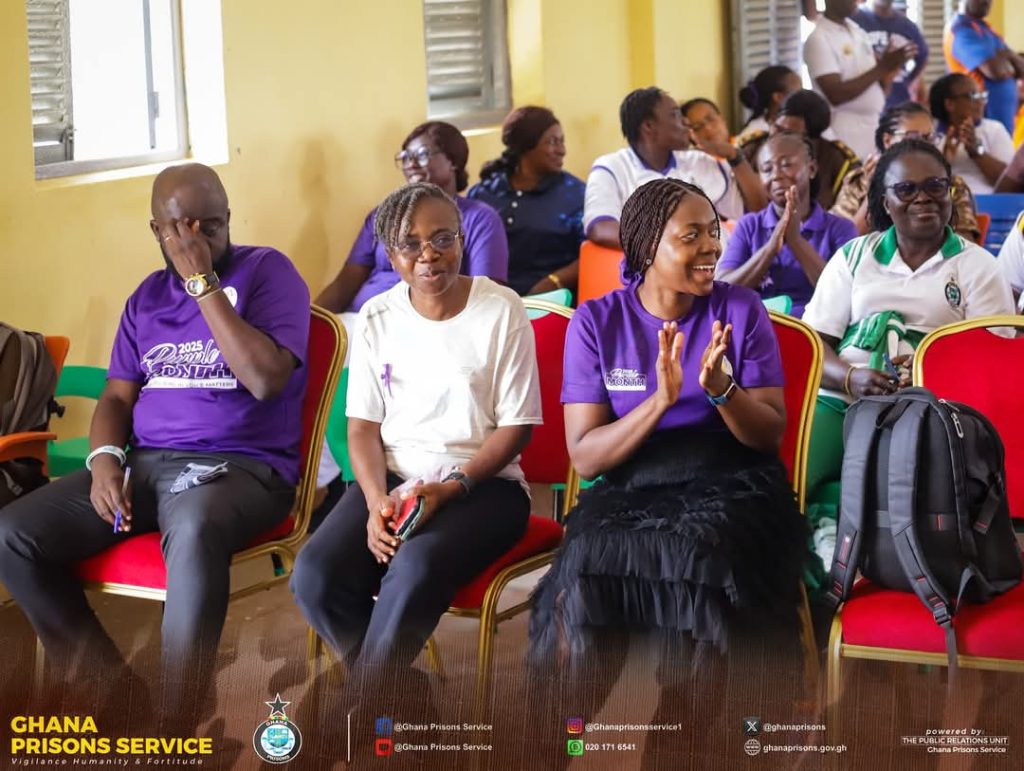
Mrs. Yayra Ashong-Mettle, Deputy Director of Prisons and Officer-In-Charge at SCC, outlined rehabilitation strategies, urging inmates to attend counselling to address underlying issues.
She highlighted cognitive-behavioural therapy as a tool to help juveniles “identify and change negative thought patterns.”
“Providing a supportive environment and evidence-based programmes can help inmates overcome addiction and reintegrate positively into society,” she stated.
She encouraged other stations to organise counselling sessions and symposiums to raise awareness on substance abuse and mental health.


GNA
Edited by Kenneth Sackey