By Morkporkpor Anku
Accra, Nov. 06, GNA – Apostle Alexander Nana Yaw Kumi-Larbie, Chairman of the Ghana Prisons Service Council, has urged employers to give people who have served prison sentences fair opportunities to work and rebuild their lives.
He said employment could help returning citizens support their families, contribute to their communities, and reduce the risk of reoffending.
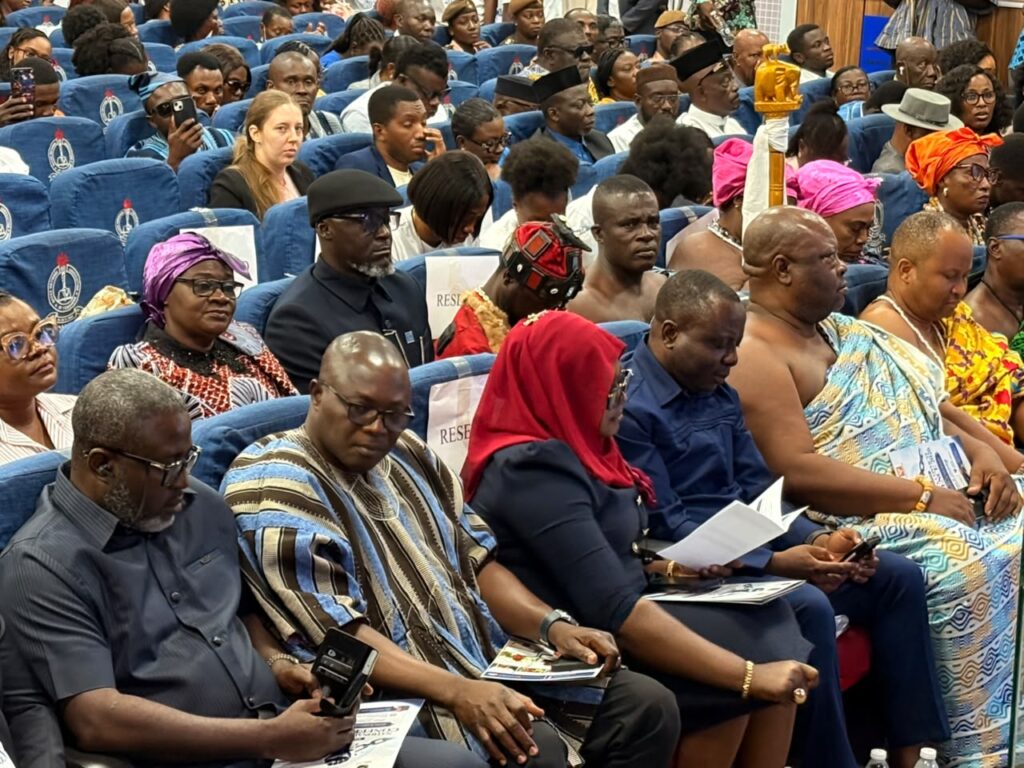
Apostle Kumi-Larbie made the call at the maiden National Returning Citizens Reintegration Conference 2026, organised by the Crime Check Foundation in partnership with the Ghana Prisons Service, Rabotec Group and Bawa Rock.
He commended the Foundation for bringing together institutions, employers, community leaders and returning citizens to address an issue he described as critical to public safety and national development.
The Chairman noted that while release from prison often brought hope, returning citizens frequently faced rejection and other challenges that required practical social and emotional support.
He said the Ghana Prisons Service provided rehabilitation and skills training but stressed that more needed to be done to connect those skills to employment opportunities, apprenticeships, businesses and markets after release.
Apostle Kumi-Larbie said the Church of Pentecost had established a prison ministry to support inmates and facilitate their reintegration into society.
He said the Church had built and furnished camp prisons at Ejura and Damongo, while another facility at Ogoase was nearing completion.
According to him, the Church launched its Ministry to Prison Associates in February 2025 to help reduce stigma and support people after incarceration.
He said the ministry had engaged more than 300 returning citizens this year and assisted some with tools and equipment to help them earn a living. In addition, the Church had facilitated the release of about 250 inmates over the past five years by paying their default warrants.
Justice John-Mark Nuku Alifo, representing the Chief Justice, said the end of a prison sentence did not necessarily end the consequences of incarceration, as former prisoners often faced rejection by employers, friends and communities.
He said the judiciary had a duty to apply the law fairly, protect rights and impose lawful sentences, but successful reintegration required contributions from government agencies, employers, families and communities.
Justice Alifo said accountability and rehabilitation could work together, stressing that a conviction did not erase a person’s humanity or mean that the individual was incapable of change.
He urged employers to assess applicants with criminal records fairly, taking into account the nature of the offence, the requirements of the job, applicable legal restrictions and evidence of rehabilitation.
Justice Alifo also encouraged government institutions, professional bodies, civil society organisations and faith-based groups to support vocational training, counselling, skills development and mentorship programmes, saying reintegration required practical opportunities and sustained commitment.
GNA
Edited by Lydia Kukua Asamoah
Reporter: Morkporkpor Anku
Email: [email protected]