By James Amoh Junior
Accra, Nov. 7, GNA – Ghana is pushing for the expansion of the African Continental Free Trade Area (AfCFTA) framework to include Caribbean countries to deepen economic integration, boost trade and investment, and strengthen historical ties between the two regions.
Mr Samuel Okudzeto Ablakwa, the Minister of Foreign Affairs, said the proposal, championed by President John Dramani Mahama, sought to transform the historical and cultural connections between Africa and the Caribbean into a mutually beneficial economic partnership.
The initiative would open new markets, facilitate the movement of goods and people, create jobs and address longstanding barriers to trade, he said.
Mr Ablakwa made the remarks at the Commonwealth Business Forum in St John’s, Antigua and Barbuda, on Wednesday, November 4.
He said Africa and the Caribbean shared a common historical identity disrupted by the transatlantic slave trade and enslavement, which could now serve as a foundation for renewed cooperation.
“Africa and the Caribbean, historically, we are one people, we are family. It is circumstances, the tragedies of history that brought us apart,” he said.
He cited Ghana’s cultural initiatives, including PANAFEST and the Year of Return, as well as joint advocacy for reparatory justice, as efforts to reconnect the regions.
“The next phase of the relationship must translate historical solidarity into tangible economic benefits,” Mr Ablakwa said.
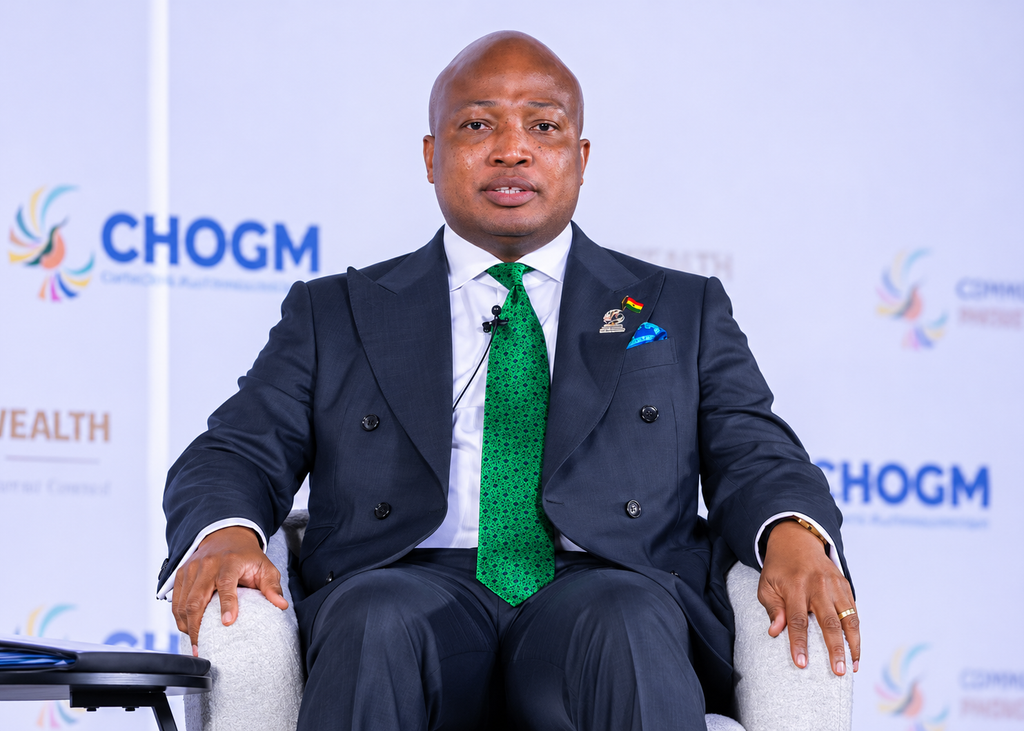
He said President Mahama, who was expected to assume the African Union (AU) chairmanship in January 2027, had proposed expanding the AfCFTA framework to facilitate trade with Caribbean economies.
The AfCFTA brings together 55 AU member states, representing about 1.4 billion people and a combined Gross Domestic Product exceeding US$3 trillion.
However, intra-African trade accounts for less than 10 per cent, he said.
The Ministry of Foreign Affairs had begun examining legal and institutional options for an AU-Caribbean Community (CARICOM) partnership to advance the proposal.
Mr Ablakwa identified inadequate transport links as a major constraint to trade and said Ghana hoped to revive Ghana Airways in 2027 to establish direct air connectivity between the two regions.
Although Ghana had signed visa waiver agreements with virtually all CARICOM member states, travellers often had to transit through countries requiring additional visas, limiting the benefits of the arrangements.
Direct air services would make the visa agreements more meaningful and facilitate business, tourism and other exchanges, he added.
He also highlighted a port cooperation agreement recently signed between Ghana and Jamaica involving the Port of Tema and the Port of Kingston, saying its implementation would improve shipping connections, ease logistical challenges and facilitate trade.
On labour cooperation, Mr Ablakwa noted that Ghana was strengthening professional exchanges with Caribbean countries through labour mobility agreements, particularly in healthcare.
Ghanaian nurses had been deployed to Jamaica, Barbados and Antigua and Barbuda to support healthcare delivery.
President Mahama was expected to meet about 120 Ghanaian nurses who arrived in Antigua and Barbuda earlier in the year under the arrangements.
On lessons from African economic integration, he said the AfCFTA had contributed to harmonised standards, stronger value chains and increased movement of goods across the continent.
He cited Kenyan tea, Ethiopian coffee, South African flowers and Ghanaian cocoa products as examples of regional trade.
Mr Ablakwa called for faster implementation of the agreement and increased ratification of its protocols, urging African countries to prioritise value addition instead of continuing to export raw natural resources.
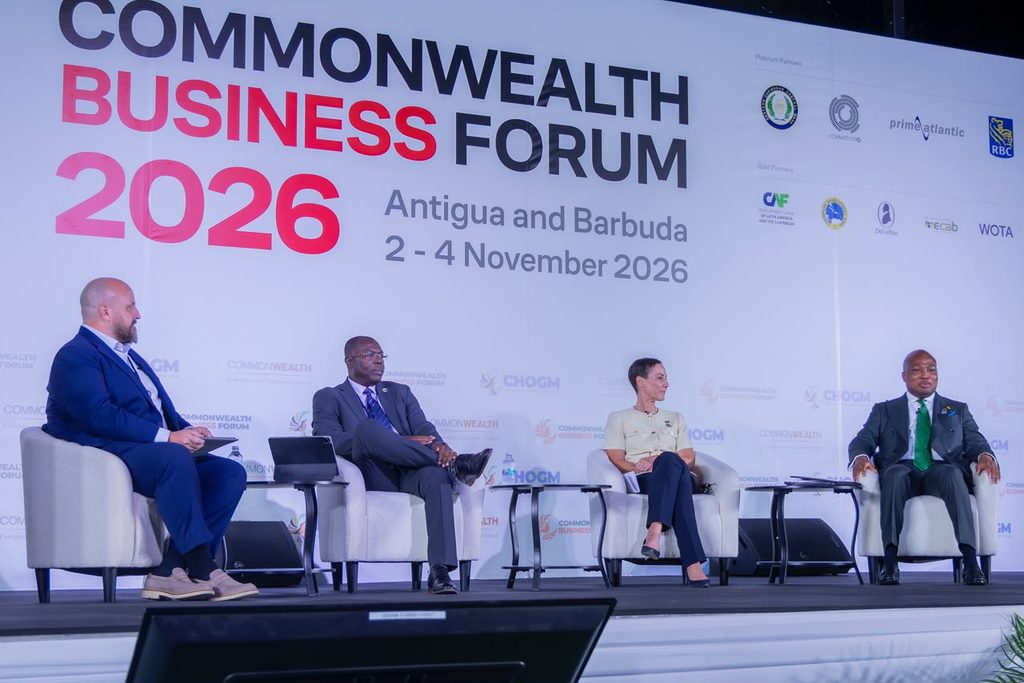
He reiterated Ghana’s ambition to end exports of raw natural resources by 2030, saying the country was making progress in domestic processing. About 70 per cent of Ghana’s gold exports were now refined, he said.
He said successful integration required common legal frameworks, harmonised standards and clear rules to ensure fairness and prevent discrimination.
Advocating a phased approach, he urged willing countries to take the lead, identifying Ghana, Kenya, South Africa and Nigeria, alongside Jamaica, Barbados, Antigua and Barbuda, and Trinidad and Tobago, as potential partners to spearhead the process.
He said the AU had designated CARICOM as the sixth region of Africa.
Drawing lessons from the European Union and ECOWAS, Mr Ablakwa said integration could begin with willing countries and gradually expand.
He cited ECOWAS, established in 1975, as an example of regional cooperation, particularly in free movement, trade and cross-border electricity supply.
The AfCFTA, which commenced trading in January 2021, is an AU Agenda 2063 flagship initiative aimed at creating a single continental market for goods and services, facilitating the movement of capital and people, and accelerating economic integration.
GNA
Edited by Agnes Boye-Doe
Reporter: James Amoh Junior
Email: [email protected]