By Priscilla Obour
Kumasi, Nov. 02, GNA – Ghana’s physician anaesthetists have marked 30 years of organised practice with a call for the training of more anaethestists and national standards to ensure safe surgical care in every district hospital.
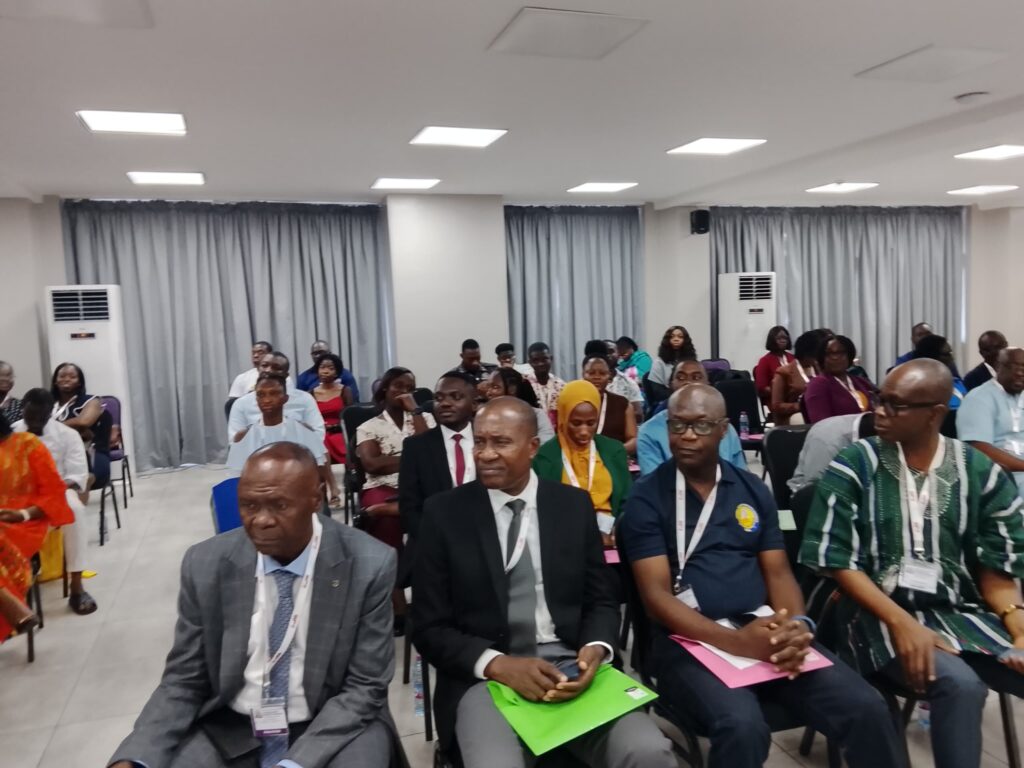
The call was made at the maiden annual general meeting and scientific conference of the Ghana Anaesthesiologists’ Society of Ghana, in Kumasi.
From six physician anaesthetists in the 1990s serving 14.7 million people, the membership has grown to over 200.
Dr Irene Wulff, President of the Society, speaking at the opening ceremony, said the growth reflected the vision of the founders, who operated under extremely difficult conditions.
“In the 1990s, clinical practice was incredibly challenging, often relying on nothing more than a stethoscope strapped to the patient’s chest and a finger on the pulse,” she said.
She said the Society survived financial constraints, including relying on an industrial photocopier donated by the Cocoa Board to generate income, fires that destroyed records, and complex professional dynamics.
She said growth was driven by the establishment of the Anaesthesia programme at the Ghana College of Physicians and Surgeons and support from diaspora members.
The Society, formerly the Ghana Anaesthetists Society, has been renamed the Ghana Anaesthesiologists’ Society to align with the World Federation of Societies of Anaesthesiologists.
Dr Wulff said the Society had expanded hands-on training, including SAFE Paediatrics, SAFE Obstetrics, VAST and SimPACT simulation courses, and had seen the emergence of sub-specialty groups in critical care, pain, obstetric and paediatric anaesthesia.
She said the immediate focus must be the development and strict implementation of national clinical guidelines to replicate quality care in Korle Bu and Komfo Anokye in every district.
“We must ensure that high-level care is accessible at regional and local hospitals. Once the government establishes the infrastructure, we are ready to provide the human resource,” she said.
Dr Frank Amoakohene, Ashanti Regional Minister in an address read for him, said critical care, intensive care, emergency response and pain relief remained essential pillars for saving surgical and emergency patients.
He said the sector still faced hurdles regarding equitable access to specialist services, distribution of skilled personnel, and availability of essential equipment.
“Many of our district and regional facilities still struggle with access to specialist services. We must bridge this gap,” he said.
The Regional Minister called for simultaneous investment in infrastructure and human capacity, supported by policy frameworks to retain professionals, and for localised mentorship and collaboration between associations, universities and hospitals to improve care and reduce preventable deaths.
He commended the Society for 30 years of service and assured it of the Regional Coordinating Council’s support.
Mr Moses Siaw-Frimpong, General Secretary of the Society, said training was not expanded for a long period, resulting in extremely low numbers relative to national needs.
He said critical care was needed everywhere but could be found in fewer than 10 hospitals due to human resource constraints, contributing to high maternal mortality.
He said the Society was partnering with the Ghana College of Physicians and Surgeons and engaging Tamale and Sunyani Teaching Hospitals to use trainers from Korle Bu and Komfo Anokye to support local training.
He said the Society was calling on government for a deliberate intervention to identify medical officers and roll out an aggressive five-year programme to produce more physician anaesthetists, while leveraging telemedicine to support remote Intensive Care Units.
On Artificial Intelligence, he said technology should improve efficiency and precision, not replace human professionals.
GNA
Edited by Kwabia Owusu-Mensah/Kenneth Odeng Adade