By Florence Afriyie Mensah, GNA
Ejisu (Ash), Nov. 19, GNA – Scientists at the Council for Scientific and Industrial Research-Crops Research Institute (CSIR-CRI) have commenced promoting the consumption of food products developed from the new common bean (Phaseolus spp) varieties among adolescents in schools.
The varieties include “Ennepa”, “Nsoroma”, “Adoye”, and “Semanhyia”.
The Institute believes that rapid growth in adolescents raises iron and zinc needs, and adolescents, especially girls, lose iron through menstruation.
Again, women of productive age, menstruation and lactation raise needs; anaemia affects health, work capacity and maternal outcomes.
The new common bean released by the CRI supplies adequate protein, iron, zinc, fibre and folate, which can provide the mineral and nutrients needs of such a group of people.
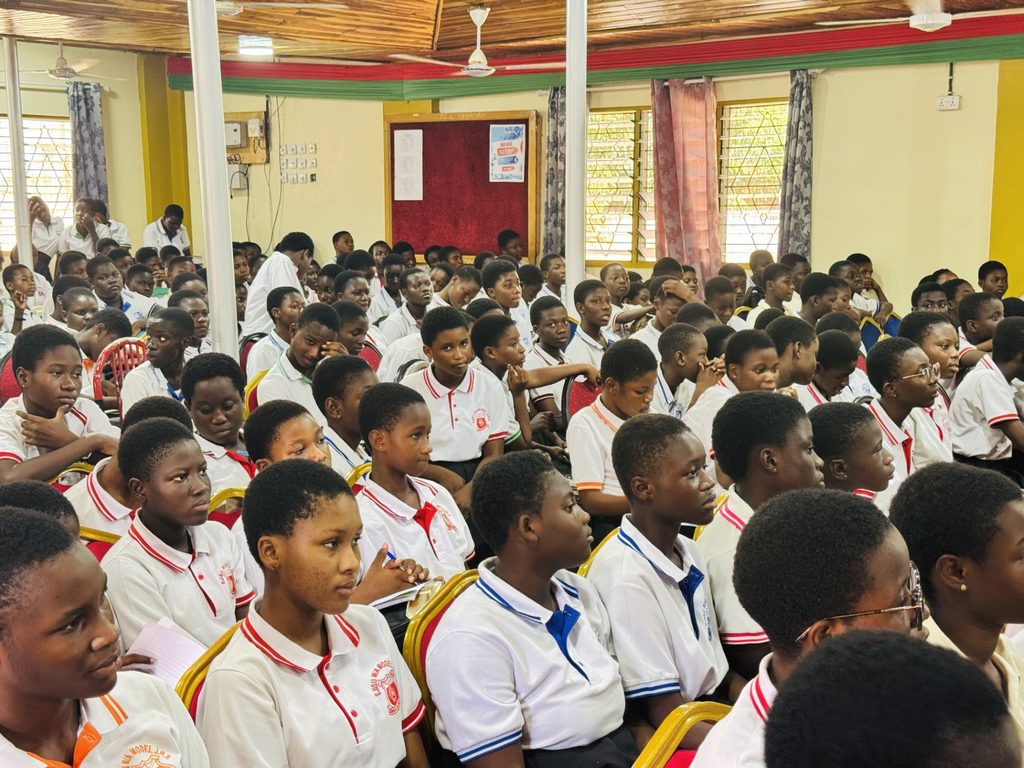
Ms. Faustina Okyere, Food Technologist, CSIR-CRI, during a visit to the Ejisu M/A Model School in the Ashanti Region, explained that safe preparation and varied diets helped make most of the nutrients in the crop.
These, among other reasons, she noted, was why the Institute was promoting the bean products that were tasty, safe, affordable and culturally acceptable.
She showcased some food products made from the bean, which included vegetarian milk, canned beans, meat substitute, vegetarian yoghurt, roast beans flour, cereal legume mix, beans sauce, waakye without leaves (with “Nsoroma” variety) to the school children.
Giving further health benefits of the crop, Ms. Okyere explained that most iron in beans was non-haem – absorption and is influenced by the food matrix and rest of the meal.
Phytate and some polyphenols can bind minerals and reduce iron or zinc bioavailability.
Vitamin C rich foods eaten with beans can improve non-haem iron absorption.
The Food Technologist noted that soaking, germination, fermentation and adequate cooking could improve some aspects of legume nutritional quality, adding that the effects depended on variety and process.
Ms. Okyere indicated that, the CSIR-CRI was poised to release highly nutritional, climate resilient and market sustained crop varieties, including the common bean to address food challenges in Ghana and beyond.
Together with her team, Ms. Okyere used the occasion to distribute some of the products and bean seeds to the pupils and teachers of Ejisu M/A Model School.
The programme was organized as part of the Building Gender Equitable Resilience for Adaptation to Climate Across Bean Crop and Insect Corridors (BRAINS) project, which seeks to strengthen capacity, agency and resilience of women, men and youth within bean-based farming communities.
GNA
Edited by Kwabia Owusu-Mensah/Benjamin Mensah
Reporter: Florence Afriyie Mensah
Email address: [email protected]