By Evans Worlanyo Ameamu
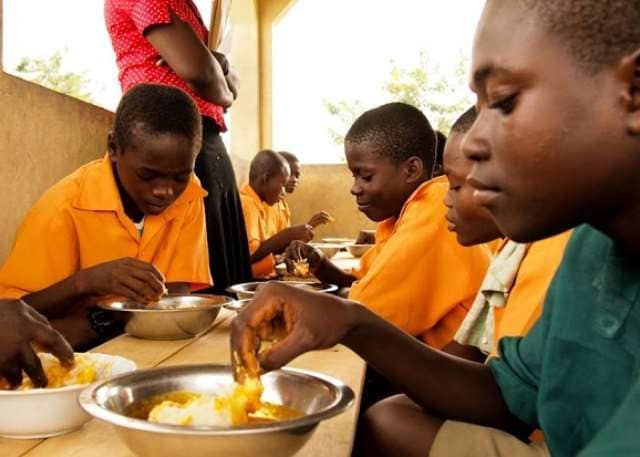
Anloga (V/R), Nov. 20, GNA – A group of concerned citizens and advocates for inclusive education in the Anloga District of the Volta Region has appealed to the Government to extend the Ghana School Feeding Programme (GSFP) to all public Junior High Schools (JHS) across the country.
The group said the exclusion of JHS pupils from the programme created a gap in the country’s educational support system, particularly for children from poor and vulnerable households who struggle to afford daily meals while attending school.
In a statement addressed to the President, the Minister of Education, the Ghana School Feeding Programme, Members of Parliament and other relevant stakeholders, the advocates said extending the programme would promote fairness, improve school attendance and enhance effective learning among pupils.
Mr Albert Amaglo, a member of the group, told the Ghana News Agency that while pupils in public primary schools benefited from at least one hot meal during school hours, they lost that support upon progressing to JHS, leaving parents and guardians with the additional burden of providing meals.
He described the situation as inconsistent, noting that pupils received government-supported meals at the primary level and could regain similar support when they advanced to Senior High School (SHS), yet had to cater for themselves during their JHS education.
Mr Amaglo said the situation placed considerable financial pressure on parents, especially those in economically disadvantaged communities.
He noted that some pupils attended school hungry, making it difficult for them to concentrate and actively participate in classroom activities.
The advocates expressed concern that the lack of adequate meals could contribute to absenteeism and potentially force some academically promising children from financially challenged homes to discontinue their education.
“JHS pupils remained an integral part of Ghana’s basic education system and deserved the same consideration and nutritional support as their counterparts at the primary level,” he said.
The group acknowledged efforts by successive governments to improve access to education through various interventions but urged policymakers to review existing arrangements to ensure that pupils were not disadvantaged because of their transition from primary to junior high school.
The advocates therefore called for the extension of the school feeding programme to all public JHSs nationwide, backed by adequate budgetary allocations to ensure effective implementation and long-term sustainability.
They also urged the Government to prioritise disadvantaged communities and vulnerable children and engage teachers, parents, school authorities, traditional leaders and local government authorities in developing an effective implementation strategy.
According to the group, providing pupils with at least one nutritious hot meal during school hours should be regarded as an investment in education, health and national development rather than merely an act of charity.
They further called on political leaders, regardless of political affiliation, to support the proposal, stressing that no child should be denied the opportunity to complete basic education because of hunger or poverty.
“Feed the child at every level of basic education. Junior High School pupils deserve equal consideration. Let no child be left behind,” Mr Amaglo said.
GNA
Edited by Maxwell Awumah/Lydia Kukua Asamoah