By Benjamin Adamafio Commey
Accra, Nov 20, GNA – The World Vision Ghana (WVG) has called for increased investment in household and public toilet facilities to address open defecation and improve sanitation across the country.
The organisation said inadequate access to toilet facilities remained a major challenge that required urgent government intervention, private-sector participation and sustained public education.
Mr Yaw Attah Arhin, the WASH Innovations and Partnership Specialist at World Vision Ghana, made the call in a media interview on Thursday after a public sensitisation exercise organised by the organisation to mark World Toilet Day.
World Toilet Day is a United Nations observance that draws attention to the global sanitation crisis and the billions of people living without safe toilets.
It underscores how a toilet is essential for health and dignity, preventing disease, protecting the environment, and offering safety, especially for women and girls.
First marked in 2001 by the World Toilet Organisation and designated a UN day in 2013, it calls for urgent action to achieve the UN Sustainable Development Goal Six which seeks to ensure the availability and sustainable management of water and sanitation for all.
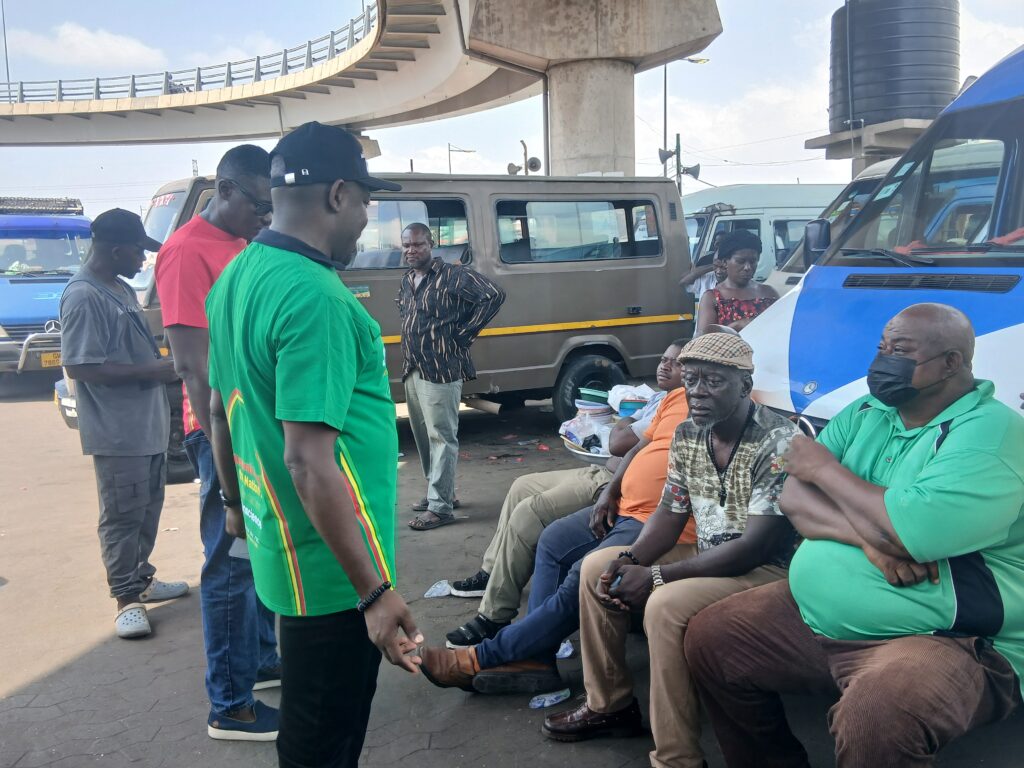
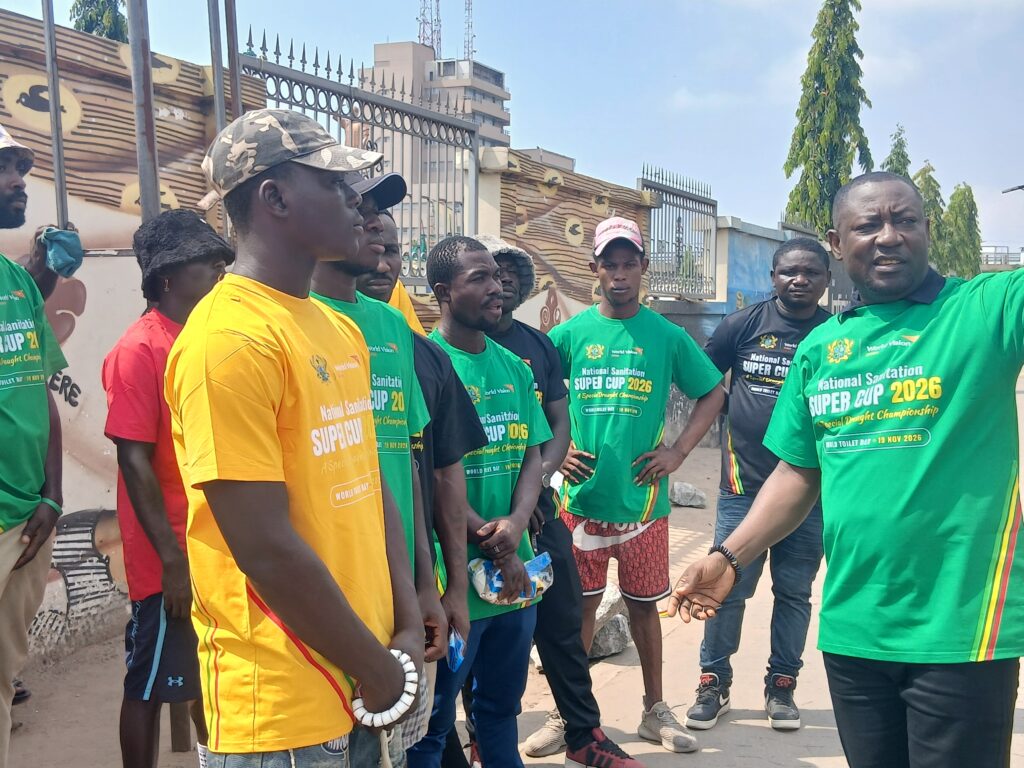
Thursday’s public sensitisation exercise involved engagements at markets and lorry parks at Kwame Nkrumah Circle, to assess sanitation conditions, identify challenges and engage relevant stakeholders on measures to improve access to toilet facilities and promote proper waste disposal.
It was done in partnership with the Ministry of Local Government, Chieftaincy and Religious Affairs, Media Coalition Against Open Defecation, Ghana WASH Journalists Network and the Ghana Draught Association.
A 2024 estimates of the WHO/UNICEF Joint Monitoring Programme (JMP), indicates that about 17.8 per cent of Ghana’s population, representing approximately 6.13 million people, still practice open defecation.
The estimates also indicate that only 18.8 per cent of the population have access to safely managed sanitation services.
Mr Arhin warned that the situation exposed communities, particularly children, to serious health risks, explaining that one gramme of human faeces could contain about 10 million viruses, one million bacteria and several other disease-causing germs.
He noted that poor sanitation contributed to the spread of cholera and diarrhoeal diseases, which claimed the lives of thousands of children annually.
“One gramme of faeces, just one gramme, can contain about 10 million viruses and one million bacteria. It is a danger that we are talking about, and it is killing children,” he said.
Mr Arhin called on the government to prioritise the provision of toilet facilities at public places, particularly markets, lorry parks, schools and healthcare institutions.
He also proposed innovative financing arrangements and public-private partnerships to support the construction, operation and maintenance of public toilets to curb open defecation.
Additionally, he advocated the use of technology, including surveillance cameras, to identify and sanction people who engaged in indiscriminate waste disposal and open defecation.
Mr Arhin said sustained behaviour-change communication was equally necessary to encourage households to own toilet facilities and adopt responsible sanitation practices.
As part of activities to sustain the campaign, Mr Arhin said World Vision would organise a special draughts championship on Saturday involving top players, who would be encouraged to become sanitation ambassadors in their communities.
Mr Kweku Boateng, a driver, Burma Camp station, called for a review of fees charged at the various washrooms in the area to reduce open defecation.
“Imagine buying pure water for 50 pesewas, but having to pay GH¢1 whenever you need to urinate. Using the toilet costs GH¢3. Personally, I urinate at least three times a day and use the toilet at least twice. I may be able to afford these fees, but others may not have the means to pay. For such people, the only option may be to resort to open defecation.
“We acknowledge that toilet facilities require maintenance, but operators should consider reducing the fee to at least GH¢2 to make the service more affordable and help address open defecation,” Mr Boateng urged.
At the Neoplan Station, Mr Kassim Alhassan, the Welfare Secretary, said the station lacked adequate toilet facilities to serve its large population of traders, drivers and commuters.
He appealed to the Accra Metropolitan Assembly (AMA) to assess the situation and provide additional facilities, particularly for people working around the station and nearby Avenor.
Mr Alhassan said the existing toilet facilities were insufficient, adding that access to sanitation infrastructure was as important as the provision of roads and schools.
Mr Otis Addai-Duah, the Public Relations Officer and Secretary of Neoplan Branch Four, also called for stronger public-private partnerships, saying the Government alone could not address the country’s sanitation challenges.
GNA
Edited by Benjamin Mensah
Reporter: Benjamin Adamafio Commey
Reporter’s email address: [email protected]