By Anthony Adongo Apubeo, GNA
Bongo (U/E), Nov. 20, GNA – The Bongo Traditional Council has set a target to eliminate open defecation across the Bongo District by 2030 as part of efforts to improve sanitation and protect public health.
Naba Baba Salifu Atamale Lemyaarum, Paramount Chief of the Bongo Traditional Area, said the Council was working with its 42 traditional communities to ensure that every household had access to safe and decent toilet facilities.
He said the target was being pursued through the Bongo Sanitation Challenge, an initiative introduced to translate commitments under the Bongo District Water, Sanitation and Hygiene (WASH) Compact into concrete action.
The Bongo District WASH Compact, signed in 2025, challenges the District and the Traditional Council to work towards ending open defecation and improving sanitation practices, contributing to human dignity and advancing the achievement of the United Nations Sustainable Development Goals (SDGs), particularly Goal Six, which emphasises access to decent sanitation for all by 2030.
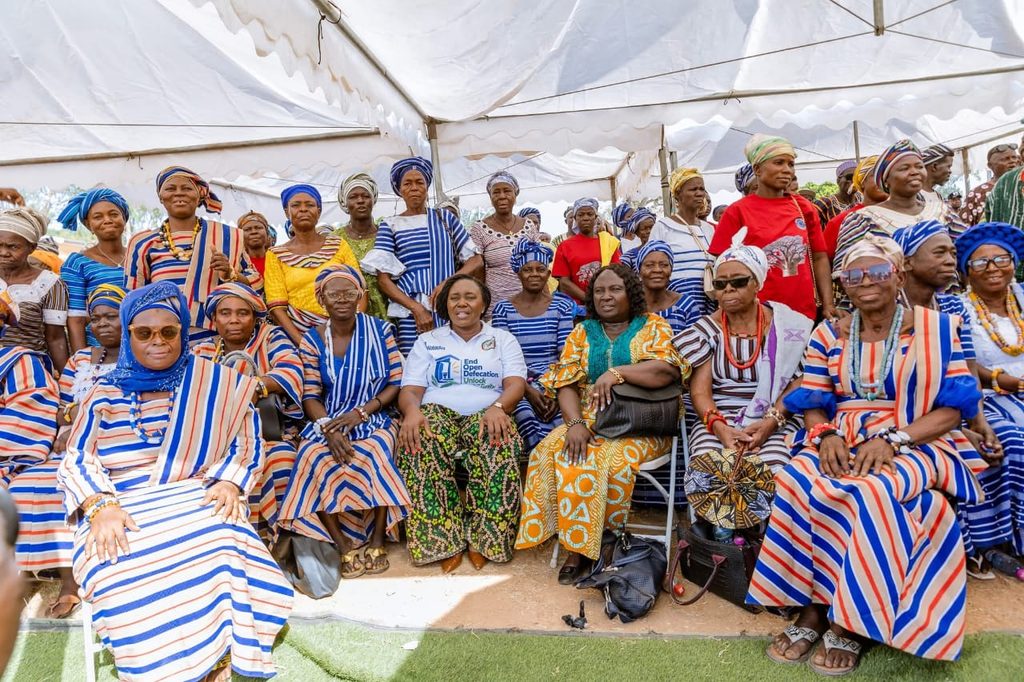
Speaking at the 2026 National Commemoration of World Toilet Day in Bongo, organised by the Ministry of Local Government, Chieftaincy and Religious Affairs in partnership with WaterAid Ghana, Naba Lemyaarum said the Traditional Council was determined to reverse the district’s worrying sanitation situation.
The event was held under the theme: “From Open Defecation to Open Opportunity Through the Gender Lens.”
According to him, data from the 2021 Population and Housing Census indicated that four out of every five people in the district, representing about 80 per cent, practised open defecation.
He said the situation was corroborated by WaterAid Ghana’s 2024 WASH Service Level Assessment, describing it as a major sanitation challenge requiring collective and sustained efforts.
“The irony, therefore, is that while the country is making progress in the fight against open defecation, Bongo appears to be moving in the opposite direction. This is a situation that my people and I cannot afford to take lightly,” he said.
Naba Lemyaarum said that following the signing of the Bongo District WASH Compact in September 2025, he convened a meeting of the Traditional Council, which resolved to introduce the sanitation challenge to mobilise communities towards improved household sanitation.
He disclosed that the initiative had resulted in the construction of about 690 new household toilets, representing an estimated investment of GH¢2 million and providing sanitation access to approximately 3,700 people.
He said the intervention went beyond the construction of toilet facilities, as it also created employment opportunities for local artisans and expanded business opportunities for suppliers of building materials.
“These figures represent much more than toilets constructed or money invested. They represent an investment in the local economy of Bongo, job creation for local artisans, and expanded market opportunities for suppliers of building materials,” he said.
Additionally, to address financial barriers preventing poor and vulnerable households from owning toilets, Naba Lemyaarum said the Traditional Council had established a WASH Fund to support household sanitation.
He said the Fund, although still in its formative stages, was expected to mobilise resources to extend sanitation services to vulnerable households and support investments in public sanitation facilities.
He appealed to development partners, the government and other stakeholders to support the Fund to enable it to achieve its objectives.
The Paramount Chief said access to household toilets would also protect residents from sanitation-related diseases, dangerous encounters with reptiles and other risks associated with open defecation.
He emphasised the gender dimensions of the sanitation challenge, noting that women and girls were particularly vulnerable to sexual harassment, rape, snakebites and other forms of physical abuse when compelled to defecate in the open.
He said the absence of safe and private toilet facilities also undermined their dignity, privacy and personal security, and called for sanitation interventions that addressed the different needs and vulnerabilities of women, men and children.
Ms Rita Naa Odoley Sowah, Deputy Minister of Local Government, Chieftaincy and Religious Affairs, commended the Bongo Traditional Council for showing the way and urged other traditional leaders to emulate its example.
GNA
Edited by Caesar Abagali /Kenneth Odeng Adade
Reporter: Anthony Adongo Apubeo
Reporter’s email: [email protected]