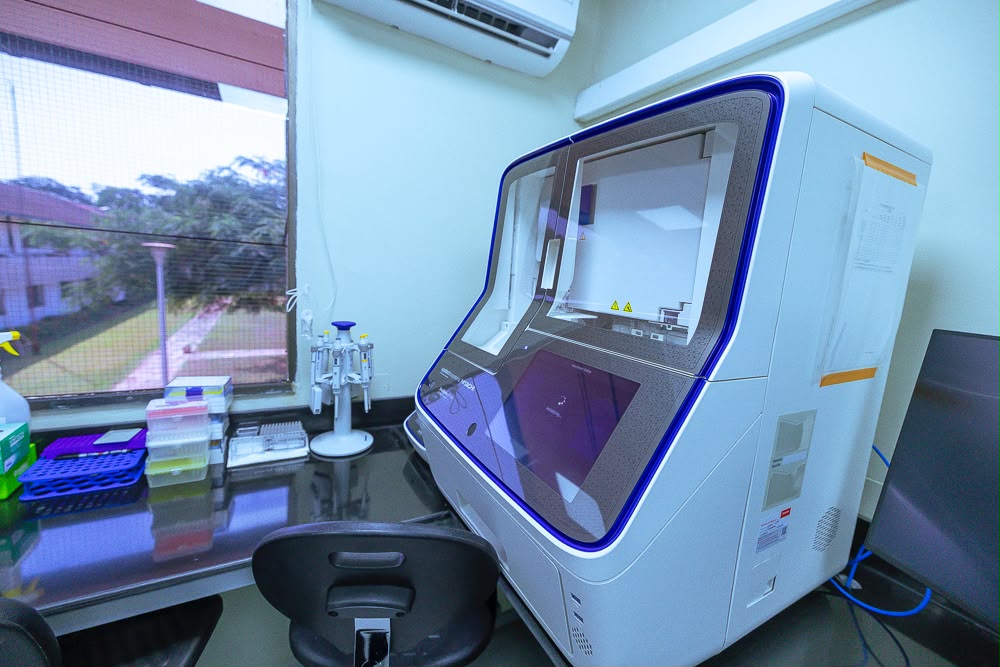
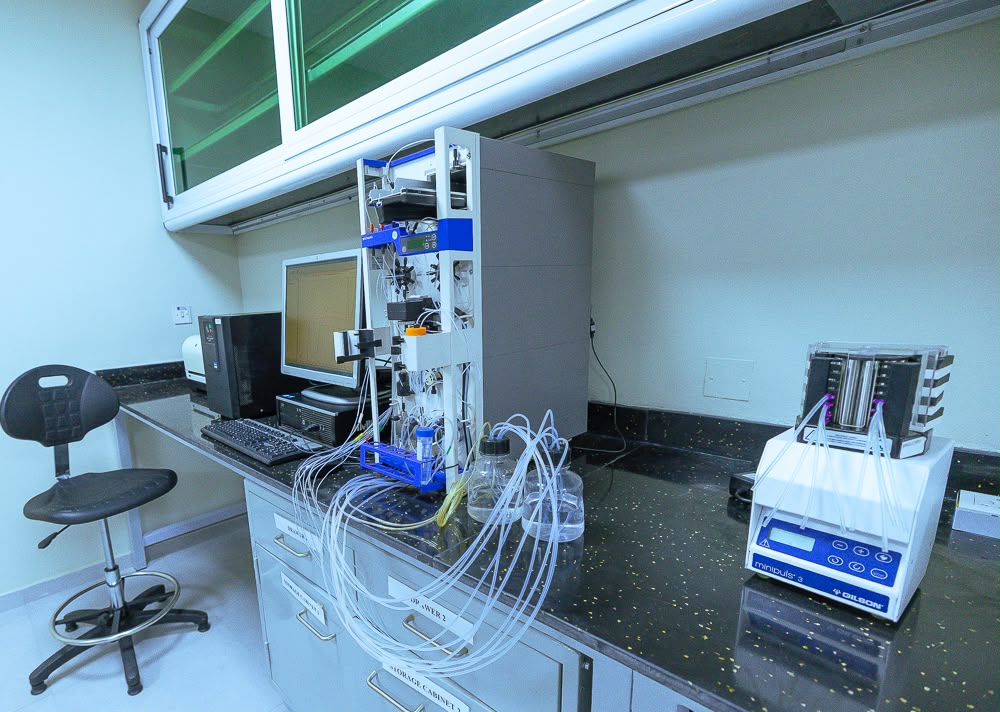
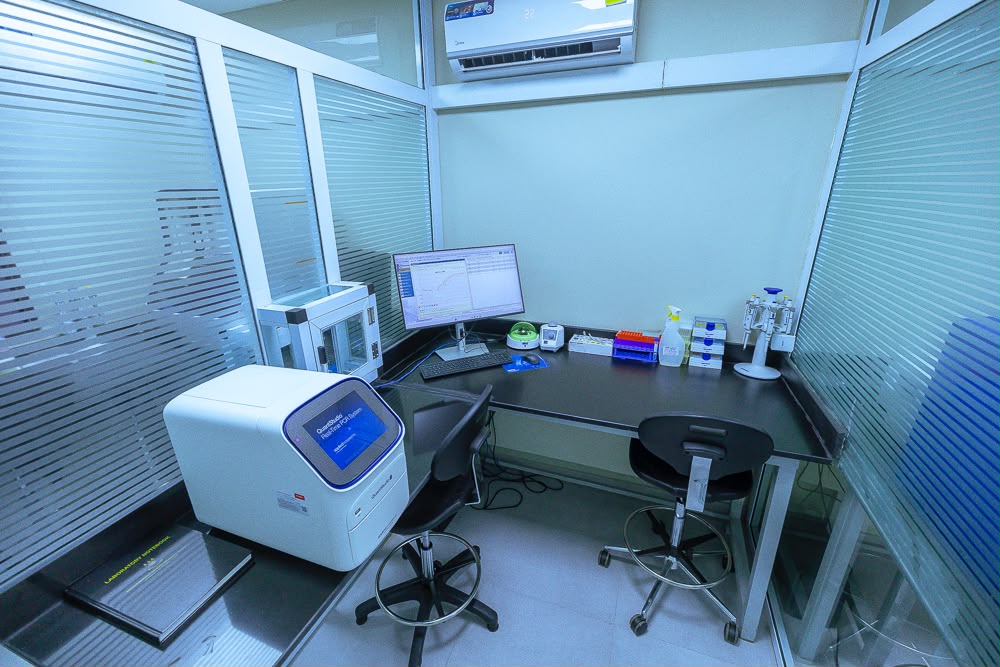
Accra, Nov. 20, GNA – ADB Ghana Medical Systems Group installed the advanced DNA analysis equipment at the Noguchi Memorial Institute for Medical Research to strengthen Ghana’s capacity to identify human remains and conduct forensic investigations locally.
The equipment, installed through the Group’s partnership with Thermo Fisher Scientific UK, is expected to improve the institute’s ability to undertake DNA testing for human identification and other investigations requiring scientific confirmation of identity.
A statement shared with the Ghana News Agency (GNA) by ADB Ghana Medical Systems Group said the installation formed part of efforts to strengthen Ghana’s scientific research, forensic and diagnostic infrastructure.
The facility was commissioned by President John Dramani Mahama on November 18, 2026, as part of efforts to build the country’s capacity to undertake specialised DNA analysis without relying on foreign laboratories.
The development follows the August 6, 2025 military helicopter crash, which claimed eight lives and required DNA samples to be sent to South Africa for analysis to identify the victims.
Speaking at the commissioning of the National Human Identification Laboratory, President Mahama described Ghana’s inability to conduct the analysis locally as a setback to its scientific development.
“It was a day of shame for Ghana that we couldn’t carry out our own DNA analysis in-country. That will be a thing of the past,” he said.
He said the facility would strengthen the country’s response to national emergencies and enable families to receive timely answers when loved ones needed to be identified.
President Mahama also emphasised the need for sensitivity in communicating scientific findings to families affected by tragedies.
“We must therefore apply the same care to communicating with families as to the scientific work itself,” he said.
ADB Ghana Medical Systems Group said access to modern scientific equipment was critical to improving the quality, reliability and efficiency of DNA analysis.
“We are proud to contribute to strengthening Ghana’s capacity for human identification through the installation of this advanced DNA technology,” the statement said.
It said the collaboration with Thermo Fisher Scientific UK was intended to bring advanced scientific technologies closer to local institutions and strengthen the country’s ability to deliver specialised services.
The Group said its commitment extended beyond supplying equipment to supporting institutions with technology that could improve services and produce meaningful outcomes for individuals and communities.
“Our commitment goes beyond supplying equipment. We believe in supporting institutions with technology that makes a meaningful difference to people, communities and the country,” it said.
The new facility is expected to support disaster victim identification, forensic investigations and cases requiring DNA evidence to establish identities.
It is also expected to strengthen the contribution of scientific evidence to the justice system while reducing the time and logistical challenges associated with sending samples abroad for specialised analysis.
The installation adds to Ghana’s efforts to expand local scientific expertise and infrastructure to respond to human identification needs, particularly during national emergencies.

GNA