By Eunice Hilda A. Mensah
Accra, Oct. 13, GNA – The United Nations Children’s Fund (UNICEF) and Plan International Ghana have called for increased investment in girls’ education, skills development and participation in decision-making to accelerate efforts to end child marriage in Ghana.
They said addressing child marriage required stronger collaboration among government agencies, civil society organisations, traditional and religious leaders, families and communities, particularly in rural and underserved areas where girls remained vulnerable.
The call was made at an event to mark the International Day of the Girl Child and launch the 2026 State of the World’s Girls Report, on the theme: “Ending Child Marriage and Investing in Girls.”
The event brought together stakeholders and students from the North East, Volta and Eastern Regions to discuss practical measures to protect girls from early marriage and ensure that they had equal opportunities to education and personal development.
Madam Esenam Ahiadorme, Gender and Sexual and Reproductive Health and Rights (SRHR) Specialist at Plan International Ghana, said although progress had been made in addressing child marriage, more coordinated efforts were required to achieve lasting results.
Madam Ahiadorme called for increased investment in building girls’ capacities to defend their rights and become advocates against child marriage.
She said girls needed to be empowered to speak for themselves and have their concerns taken seriously by government and other stakeholders.
“The child has to be at the centre of the fight against child marriage,” she said, urging stakeholders to move beyond responding to cases and prioritise preventive measures.
She also called for greater engagement with men and boys to challenge harmful attitudes and promote shared responsibility for protecting girls.
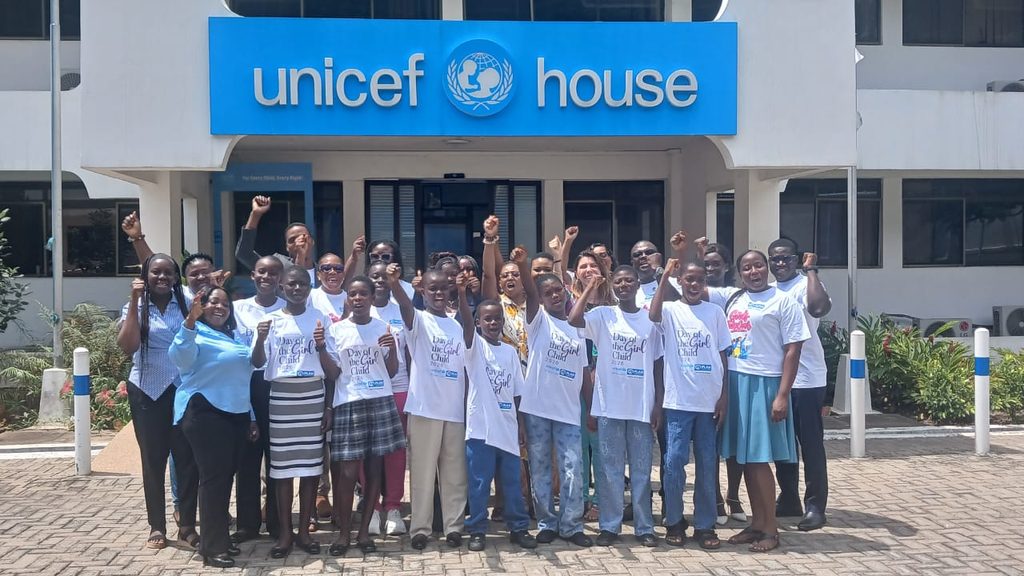
Madam Ahiadorme said sustained advocacy, stronger partnerships and the empowerment of girls would help communities address the underlying causes of child marriage and create an environment in which girls could thrive.
Ms Juliet Gberbi Dede, a Plan International alumna and youth advocate in Ghana, urged stakeholders to make girls central to discussions and decisions affecting their lives.
She said every girl deserved the opportunity to receive an education, develop her potential and participate meaningfully in decision-making processes.
Ms Dede called for stronger enforcement of laws against child marriage, increased financial support for vulnerable girls and sustained community education.
She also urged stakeholders to intensify engagements with traditional authorities, including chiefs and elders, to challenge harmful cultural practices and promote gender equality.
Madam Anne Kaiuki, Officer-in-Charge of UNICEF in Ghana, said the organisation would strengthen its engagement with rural communities and intensify collaboration with traditional and religious leaders to prevent child marriage.
She said the concerns raised by the girls at the event were important and assured them that UNICEF would work with relevant stakeholders to address the challenges.
Madam Kaiuki emphasised the need to reach more communities and ensure that local leaders played active roles in protecting girls from early marriage.
Madam Joyce Odame, Child Protection Officer at UNICEF Ghana, said the organisation had worked with the Government and civil society partners over the years to protect girls from child marriage.
She said UNICEF implemented programmes aimed at preventing child marriage through awareness creation and community engagement involving the Department of Social Welfare and Community Development, traditional authorities, religious leaders and other partners.
Madam Odame said the organisation was also investing in girls from disadvantaged communities by creating safe spaces, developing their skills and encouraging them to remain in school.
She said girls needed to be empowered to participate in decisions affecting their lives, adding that preventing child marriage was more effective than attempting to address its consequences after it had occurred.
Mr. Christopher Nkrumah one of the staff at UNICEF Ghana identified teenage pregnancy as one of the pathways through which girls could enter child marriage.
He said the organisation was advocating the prevention of teenage pregnancy and supporting efforts to ensure that pregnant girls and young mothers could continue their education.
Mr. Nkrumah said the implementation of national guidelines on preventing pregnancy and supporting re-entry into school was important to ensuring that girls did not lose educational opportunities.
He also called for safer school environments, noting that bullying, harassment and corporal punishment could discourage children from attending school and affect their ability to learn.
He urged stakeholders to promote positive female role models and encourage girls to explore careers in traditionally male-dominated fields, including engineering.
Mr. Nkrumah said girls needed not only to be enrolled in school but also to acquire meaningful knowledge and skills that would prepare them for the future.
The stakeholders reaffirmed the need for collective action to ensure that every girl enjoyed her rights, remained in school and had the opportunity to contribute to decisions affecting her future.
GNA
Edited by Kenneth Odeng Adade
Reporter’s Email: [email protected]