Albert Appong-Ansah
Sawaba (N/E), Oct. 26, GNA – Until recently, Elijah Mahama’s school day began long before school did.
“In the past I woke up early in order to fetch water for my family before going to school. Usually, I get tired by the time I get to school. Now I have enough sleep because the water source is close,” says the nine-year-old, a pupil at Sawaba Basic School, smiling as he speaks.
Water used to cost Sawaba residents about an hour and half walk, along a lonely, bushy path under a scorching sun. Now it takes under eight minutes.
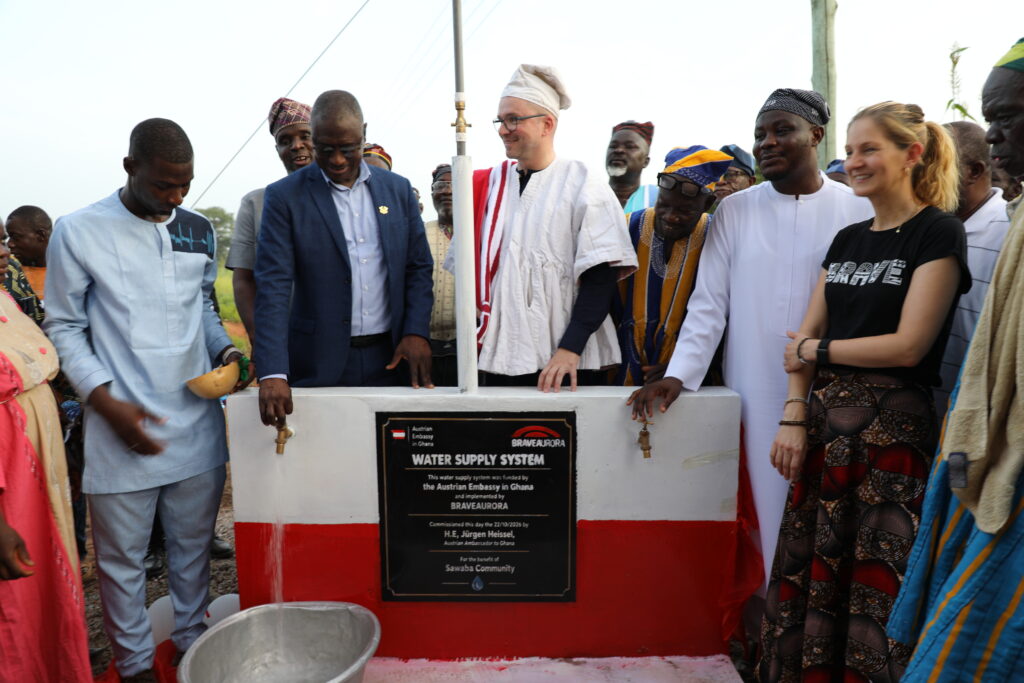
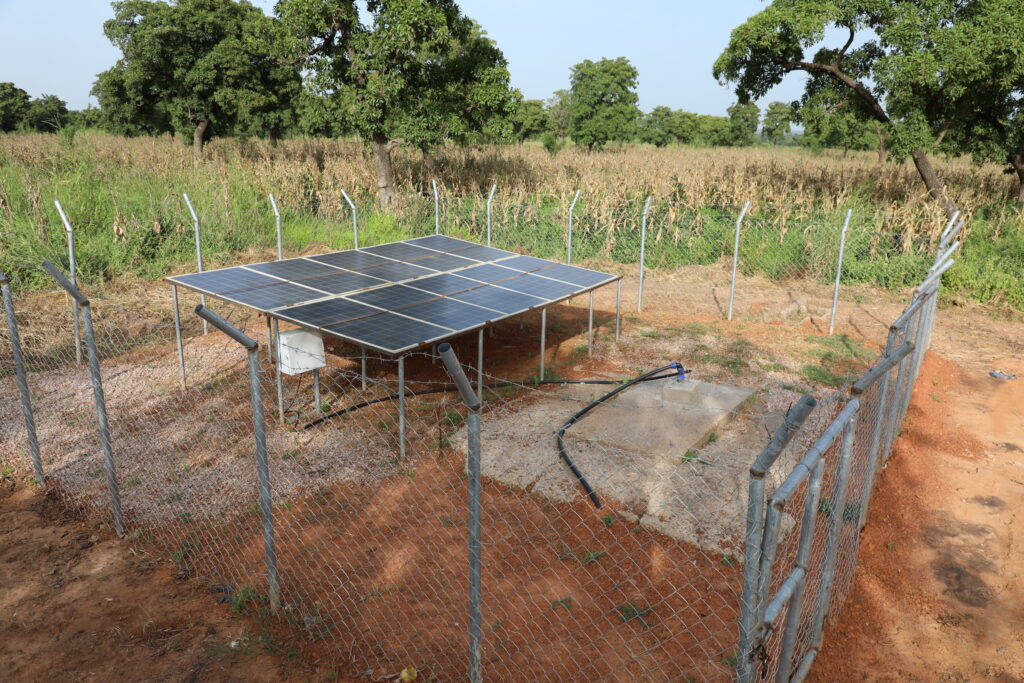
The change comes from a solar-powered water system built by the Austrian Embassy in Ghana with BRAVEAURORA, an organisation that works to protect children and strengthen families in northern Ghana.
The difference is visible in the classroom, says Diana Atia, a teacher at the school.
“Teaching and learning commenced late, reducing contact hours. When they come to school, we need water in the school for the students to drink and they still must go a long distance to get the water back. By the time they returned, it is already late for teaching and learning,” she says.
“The earliest time our school used to start lessons was 9 am, but now school starts at 7:45 am. This is contributing to effective teaching and learning.”
Elijah and Ms Atia are two of many voices. Older people, pregnant women and persons with disabilities have also welcomed the project, residents say.
Abdulah Zakari, a famer and father says the water has contributed greatly to harmony and peace in his family.
“My wife has ample time for me because she does not walk long distance. Also, I have seen improvement in the education of my children,” he adds.
“A joyful and historic day”
For the Chief of Sawaba, Naa Gbanadaana, the project ends a long worry.
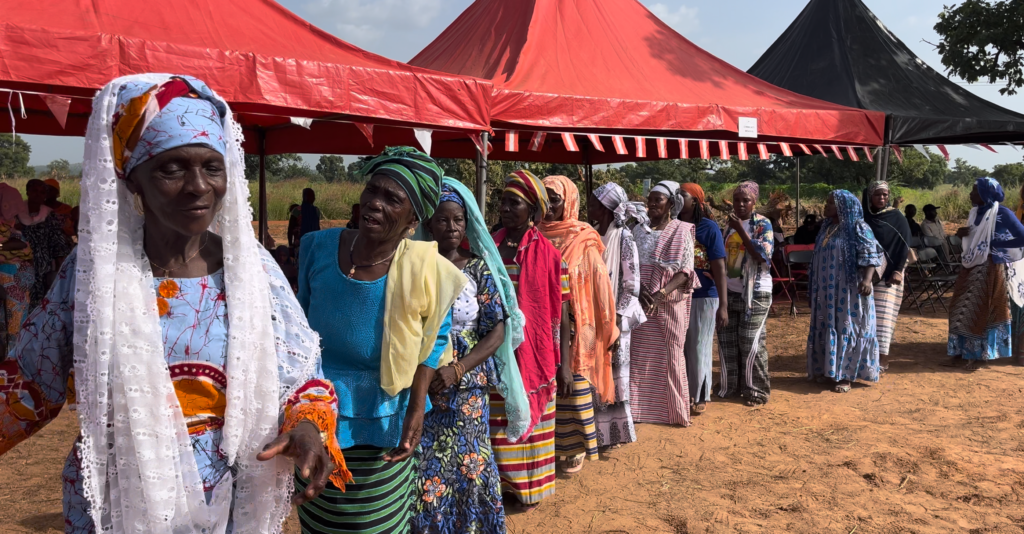
“Today is a joyful and historic day for me and my people. Your support will improve the health and living conditions of our people, especially women and children,” he says.
He also thanked BRAVEAURORA for its continued support for education, child protection and skills training, “which is creating opportunities for our children and community members.”
The system serves about 650 people. It has a 10,000-litre storage tank on an elevated tower and a piped network delivering water to three outlet points in the community.
It was built at the community’s request, made during the Austrian Ambassador’s visit in March 2026.
A wider divide
Sawaba’s story reflects a gap across the north. Households in the Northern Regions are 16 times more likely than those in Greater Accra to spend more than 30 minutes collecting water, according to a recent UNICEF report.
That burden falls largely on women and children, the report notes.
Why Austria came north
The handover also marked Austrian National Day, and the Austrian Ambassador, Jürgen Heissel, said the choice of venue was deliberate.
“This year we have decided to mark the Austrian National Day in a very different way… This year we have decided to go to the north, and it was a very deliberate decision to give visibility to a development project that has been going on here for 18 years,” the Ambassador said.
BRAVEAURORA has worked in northern Ghana for 18 years on child protection, education, livelihoods and market revitalisation.
The Ambassador described the water project as a contribution to human rights, dignity and wellbeing, and to resilience and stability in the region.
“For the first time they can fetch the water within the village, which is saving several hours per day… and also gives more time to the children to attend to school and education,” the Ambassador said.
Keeping the water flowing
BRAVEAURORA’s Director, Mr Abdul Rahman Iddrisu Gbana, said a Water User Management Committee, trained in basic maintenance and financial management, will run the system day to day. User contributions will go into a maintenance fund for repairs.
The organisation is working with the Community Water and Sanitation Agency and local authorities on technical compliance and support. Community members and traditional leaders will continue to help protect the facility.
Government plans to replicate
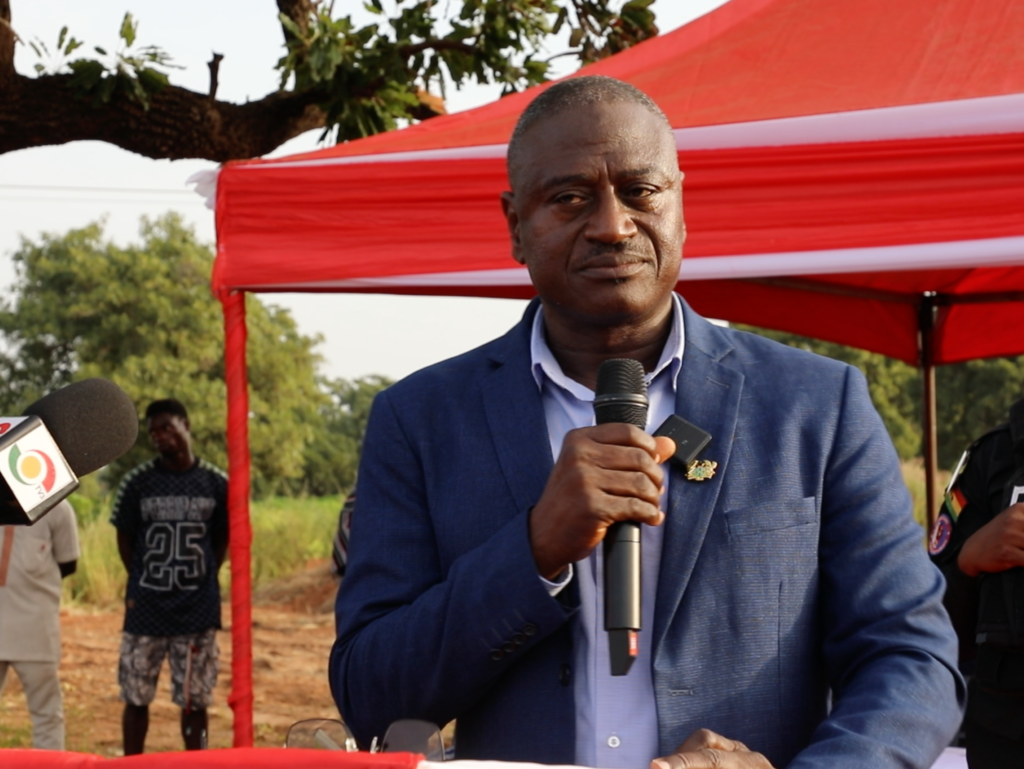
North-East Regional Minister Mr Ibrahim Tia, speaking at the handover, said government would replicate solar-powered water systems in communities without safe drinking water.
“Climate change is fast catching up with us. And the only way is for us to exploit the other opportunities that are available. The river bodies are drying and rains are failing,” he said.
The government region is also buying a borehole machine to drill more boreholes in communities with productive sources but water challenges.
At Sawaba Basic School, the first lesson now begins at 7:45. Elijah is there on time, rested, with his family’s water already at home.
GNA
Edited by Kenneth Odeng Adade
26 October 2026
Reporter: Albert Oppong-Ansah
Email: [email protected]