By Benjamin Adamafio Commey
Accra, Oct. 16, GNA – KasaGadi.ai, a multilingual artificial intelligence (AI)-powered fact-checking marketplace, has been launched to combat misinformation and disinformation in Ghanaian languages and improve access to credible information.
The platform is designed to connect fact-checkers, media organisations, researchers and other information integrity practitioners, providing access to verified content, fact-checking resources and guidance on identifying and preventing the spread of misleading information.
It is also expected to support community and grassroots radio stations with practical verification resources to help them disseminate accurate information in languages their audiences understand.
KasaGadi, a name combining ‘Kasa’, an Akan word associated with speech, and ‘Gadi’, a Hausa word meaning guard or protect, seeks to bridge the gap between English-dominated fact-checking tools and Ghana’s multilingual information environment.
The platform, launched by Penplusbyte with support from the support from the Norwegian Government, is initially focusing on Twi and Hausa, with plans to expand to other Ghanaian languages.
Penplusbyte also unveiled a research report titled “Language as a Vector: Examining the Role of Local Dialects and Artificial Intelligence in Disinformation Dissemination and Mitigation in Ghana.”
The research examined how local languages and emerging technologies influence the creation and spread of deceptive narratives, as well as opportunities to use AI to strengthen information verification.
The initiative forms part of the Ghana Anti-Disinformation Coalition (GADC) project, implemented by Penplusbytes with support from the Norwegian Ministry of Foreign Affairs through the Royal Norwegian Embassy in Accra.
Speaking at the launch, on Thursday in Accra, Mr Jerry Sam, Executive Director of Penplusbytes, said the platform was developed in response to the challenges of verifying information in a country where misleading claims could spread rapidly across social media, WhatsApp groups and community radio networks.
He said most fact-checking tools were designed primarily for English-speaking audiences, leaving gaps in the verification of information circulating in local languages.
“Access to credible information should not depend on your age, where you live, the language you speak or your level of digital literacy,” he said.
Mr Sam said community radio stations were central to the initiative because they remained trusted and accessible sources of information for many communities, particularly those with limited access to digital verification tools.
He said the organisation’s experience in media and information literacy, including training journalists, government officials, young people, WhatsApp group administrators and persons with disabilities, had demonstrated the need for a collective approach to tackling disinformation.
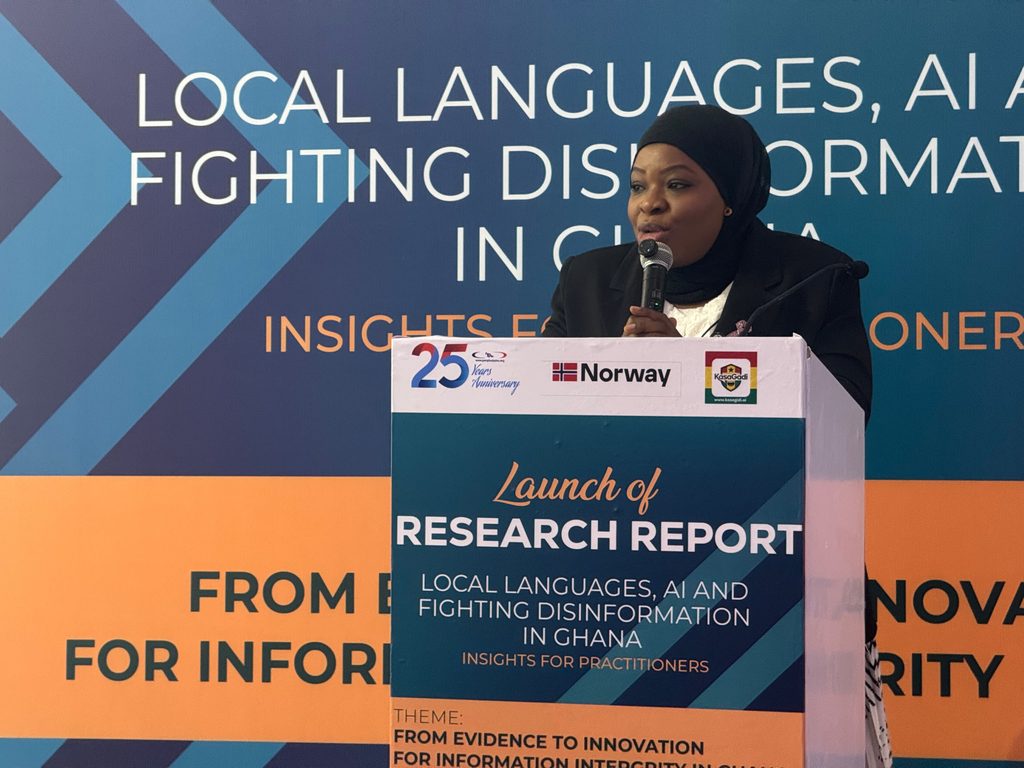
Ms Shamima Muslim, Deputy Presidential Spokesperson, described KasaGadi as an important tool that would help address the gap between the languages in which Ghanaians received and shared information and those supported by existing fact-checking systems.
“Ghanaians are not resistant to verification. They are actually asking for it. But we are not giving it to them in a language that they understand and can relate to,” she said.
She expressed willingness to engage Penplusbytes as a learning partner to pilot and test KasaGadi, while exploring opportunities to work with community information centres, media organisations and other stakeholders to improve access to credible information in local languages.
Mr Emmanuel Ofori, Director of Innovations at the Ministry of Communication, Digital Technology and Innovations, said connectivity, accessible digital tools and locally relevant language datasets were essential to effective fact-checking.
He said AI could help identify manipulated images and misleading claims, but Ghana needed to strengthen local-language data and train models to reflect the country’s linguistic and cultural contexts.
Mr Ofori urged media organisations to establish clear editorial standards and verification procedures to prevent the publication of false information that could damage reputations, livelihoods and public trust.
He encouraged media houses, fact-checkers, researchers and public institutions to explore the platform and contribute to its improvement.
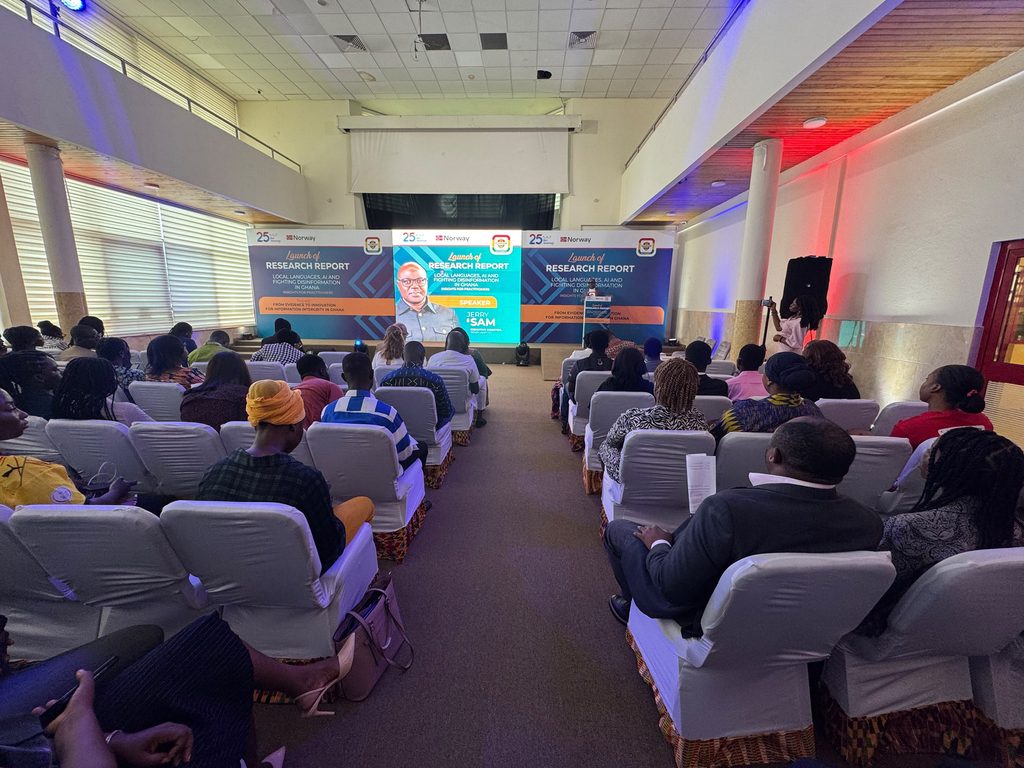
Mr John Mikal Kvistad, Norwegian Ambassador to Ghana, said the multilingual KasaGadi platform addressed an important challenge in Ghana, where linguistic diversity could make verifying information difficult.
He reaffirmed Norway’s support for initiatives promoting information integrity, describing reliable information as fundamental to democracy and informed public debate
“Reliable information is, of course, key to any democracy,” he said, emphasising that access to credible information was essential to sustaining an open society and a well-informed citizenry.
GNA
Edited by Kenneth Odeng Adade
Reporter: Benjamin Adamafio Commey
Email: [email protected]