Albert Oppong-Ansah, GNA
Accra, Nov. 9, GNA – Ghana has joined other African countries in calling for more financial support to help developing nations tackle the effects of climate change and protect their communities and economies.
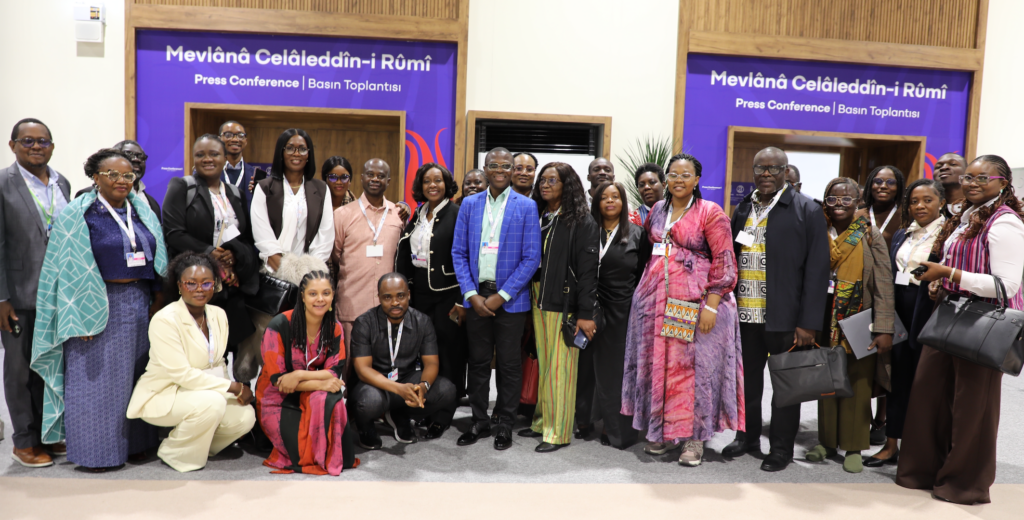
The call is among the key issues being raised by the African Group of Negotiators (AGN) at the 31st United Nations Climate Change Conference (COP31), underway in Antalya, Türkiye.
Members of the Ghanaian delegation said countries such as Ghana needed reliable funding to carry out plans to protect people, farms, roads, buildings and other important facilities from floods, droughts, rising temperatures and other effects of climate change.
They said the conference must move beyond making promises and focus on providing the money needed to put climate plans into action.
Nana Dr Antwi-Boasiako Amoah, Chair of the African Group of Negotiators on Climate Change, said the Paris Agreement, which marked its 10th anniversary this year, had yet to deliver the level of action needed to address climate change, as global temperatures continued to rise and its effects became more severe.
He said the growing effects of climate change had increased the need for financial support, particularly for developing countries, even as the money available to help them respond to the crisis continued to decline.
Dr Amoah said Africa wanted developed countries to honour their financial promises, stressing that climate action could not be achieved through speeches and discussions alone but required practical support and results.
He said the three issues submitted by the African Group for consideration at COP31 were intended to help turn climate promises into action.
These included providing more money to the Green Climate Fund, which supports developing countries to tackle climate change; discussing trade policies that could affect African economies; and increasing funding to help countries prepare for and deal with the effects of climate change.
He called for the establishment of a clear plan to guide countries through the shift to cleaner sources of energy and economic activities, while protecting jobs, livelihoods and communities.
Mr Yaw Osafo, a Ghanaian lead negotiator on the assessment of global progress on climate action, said the next review must focus more on practical results.
He said the first review, completed in 2023, identified major gaps in efforts to tackle climate change, and that countries must now work towards addressing them.
Mr Osafo noted that Africa contributed relatively little to global warming but suffered serious consequences, while also facing major development challenges.
He said African countries must be given the freedom to use their natural resources to create jobs, grow their economies and improve living conditions while addressing climate change.
Dr Ama Essel, a negotiator on climate, health and the shift to cleaner development, called for experts from different regions to help develop fair and simple ways of measuring how countries were preparing for and responding to the effects of climate change.
On trade, she said African countries were concerned about policies introduced by some developed countries to reduce pollution and how these could affect African businesses, industries and exports.
She cited the European Union’s Carbon Border Adjustment Mechanism, a policy that places an additional cost on certain imported goods based on the pollution caused during their production.
Dr Essel said African countries needed the skills and resources to assess how such policies could affect their economies and prepare appropriate responses.
The delegation called for discussions with developing countries before such policies were introduced to reduce possible harm to their economies.
It said a high-level meeting of ministers on the issue was expected to take place on November 17, with discussions expected to cover trade policies, climate change and minerals needed for modern technologies.
The Ghanaian delegation also called for greater attention to health in climate discussions, saying the effects of climate change on people’s health should be considered in decisions on how to tackle the crisis.
It said extreme heat, floods and other climate-related events could affect public health and that health concerns should be included in wider plans to address climate change.
The delegation said the success of COP31 would depend on turning promises into practical support for countries already experiencing the effects of climate change.
GNA
Edited by Kenneth Odeng Adade
9 November 2026
Reporter: Albert Oppong-Ansah
Email: [email protected]