By Kodjo Adams
Accra, Oct. 20, GNA – Professor Kwadwo Appiagyei-Atua, a lecturer at the University of Ghana School of Law, has called for reforms to strengthen judicial independence and public confidence in the country’s democratic institutions.
He said greater transparency, accountability and safeguards for judges were needed to protect the integrity of the justice system.
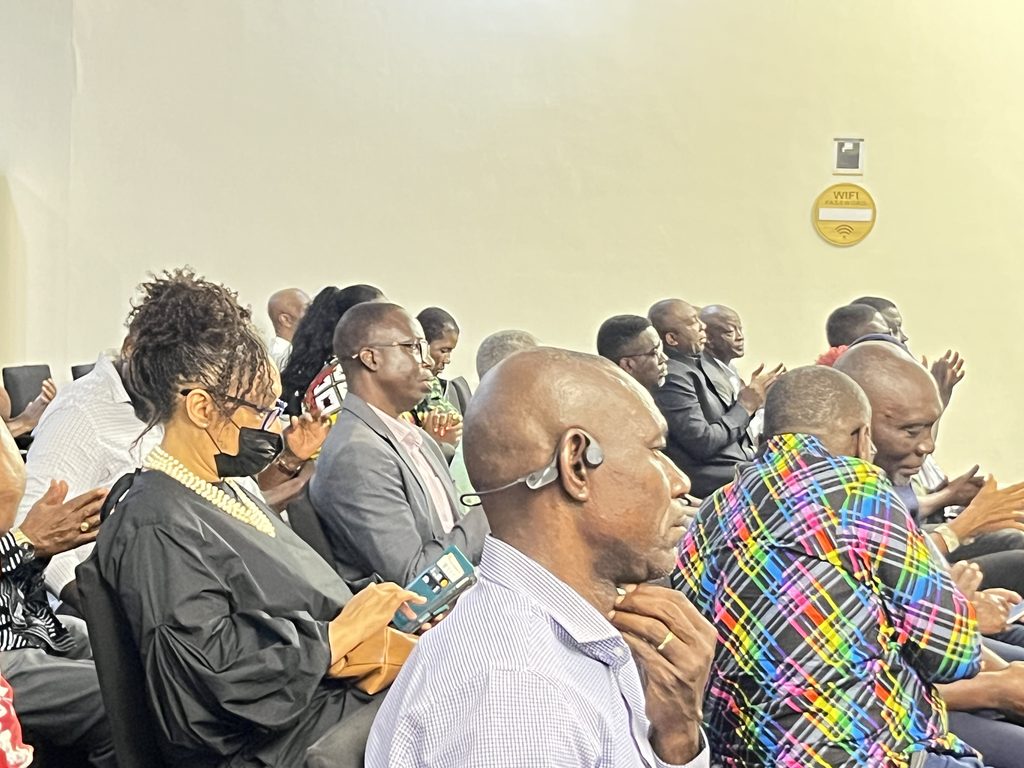
Prof. Appiagyei-Atua made the call at a public lecture on the theme, “Even Judges Must Eat: An Outside-in Provocation,” organised by JoyNews and the Amalgam of Professionals.
He expressed concern that democratic governance could lose public confidence when citizens failed to experience its benefits despite participating in elections and entrusting power to political leaders.
Prof. Appiagyei-Atua described the situation as “Ponzi democracy”, which he said was characterised by corruption, patronage, state capture and weakened accountability institutions.
He said attempts to restrict civic space, weaken civil society organisations and discourage collective action against corruption and human rights abuses undermined democratic governance.
The lecturer also raised concerns about alleged abuses of power within public institutions, including the security services, traditional leadership structures and universities.
On judicial independence, Prof. Appiagyei-Atua said constitutional guarantees on salaries and tenure of office alone were insufficient to insulate judges from undue influence.
He said appointments, promotions, transfers, postings, housing, vehicles and security arrangements could create avenues for political interference.
“If you want judges not to fear political weather, you should make the table predictable,” he said.
Prof. Appiagyei-Atua proposed the establishment of an independent body to determine judicial remuneration and a published policy on transfers and postings, with reasons formally recorded.
He also advocated safeguards for judges handling politically sensitive cases.
The lecturer said such measures were intended to protect citizens who relied on the courts for justice.
He called for reforms to the judicial appointment process to reduce executive influence and strengthen public confidence in the judiciary.
Prof. Appiagyei-Atua proposed that judges be appointed from nominations submitted by an independent constitutional body through a competitive, merit-based process.
He also advocated reforms to strengthen the Judicial Council, including publication of selection criteria, candidate shortlists and appointment information.
Prof. Appiagyei-Atua said greater transparency would improve public understanding of how judicial officers were selected and enhance the credibility of the judiciary.
He called for an early warning mechanism to identify misconduct within the judiciary and an accessible public complaints system with published outcomes.
Referring to the 2015 judicial corruption investigations, Prof. Appiagyei-Atua said the episode highlighted the need for stronger internal accountability mechanisms.
He noted that allegations of misconduct had come to light through external investigations rather than internal systems.
Prof. Appiagyei-Atua said a stronger framework for receiving and investigating complaints would help address misconduct more effectively.
“Ghana had a choice between rebuilding its democratic institutions through deliberate reforms and allowing existing weaknesses to persist, with potentially serious consequences for the state,” he said.
GNA
Edited by Kenneth Sackey
Reporter: Kodjo Adams
[email protected]