By Hafsa Obeng, GNA
Accra, Oct. 22, GNA – Dr Safia Abdallah Raabo, a Medical Doctor at the Weija-Gbawe Municipal Hospital, has urged women to seek early medical attention for Polycystic Ovary Syndrome (PCOS) to prevent complications, including infertility and other long-term health conditions.
She said PCOS, a hormonal disorder that affects menstrual cycles and ovulation, requires early diagnosis and individualised treatment to improve reproductive health and overall wellbeing.
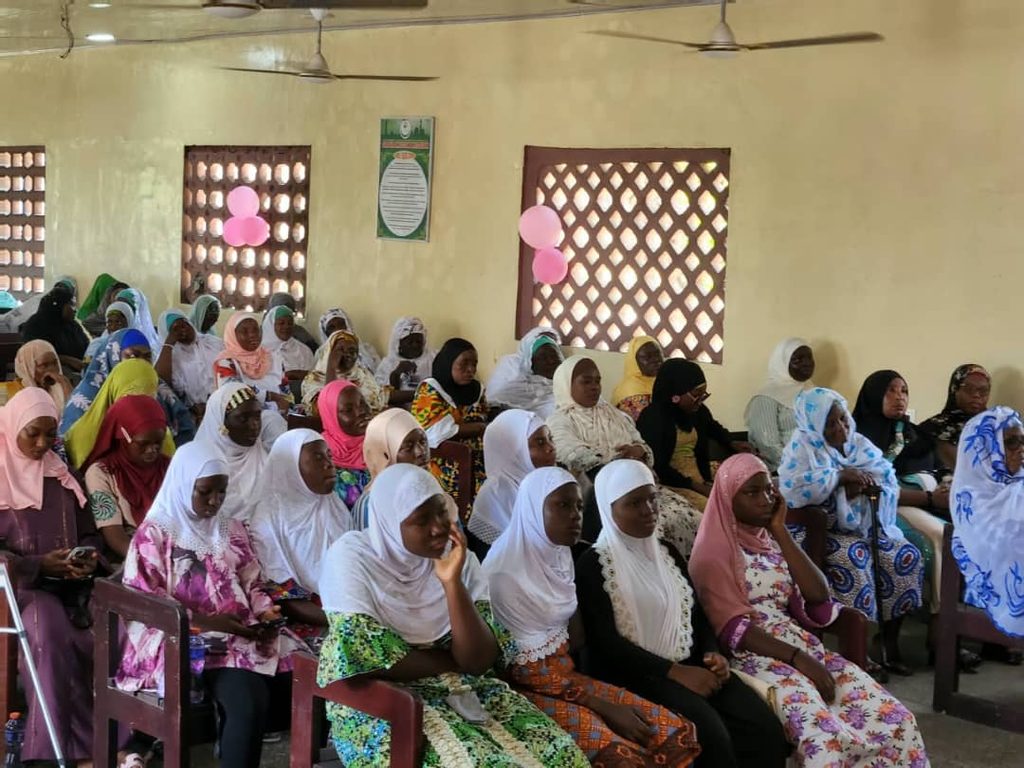
Dr Raabo, who is also the Founder and Executive Director of Congo Girls for Education, Ghana, made the call at a health seminar organised by the Greater Accra Chapter of the Ghana Muslim Mission Young Ladies Forum.
She explained that PCOS could manifest through symptoms such as irregular menstruation, infertility, obesity, excessive facial and body hair, acne and male-pattern hair loss.
According to her, menstrual irregularities often begin around puberty and may include the absence of menstruation, infrequent periods or unusually frequent menstrual cycles.
Dr Raabo noted that infertility associated with PCOS was commonly linked to anovulation, a condition in which the ovaries fail to release eggs regularly.
She explained that diagnosis of PCOS is based on the Rotterdam criteria, which require the presence of at least two of three key features: irregular or absent menstruation, clinical or biochemical evidence of excess androgens, and polycystic-appearing ovaries on ultrasound.
However, she stressed that healthcare professionals must first rule out other medical conditions that may produce similar symptoms before confirming a diagnosis of PCOS.
Dr Raabo said investigations for the condition could include hormonal assessments, pelvic or transvaginal ultrasound examinations and blood glucose tests, particularly for women who are obese or have a family history of diabetes.
Touching on management, she said treatment options depend on the patient’s age, symptoms and reproductive goals.
She identified lifestyle modification, especially weight management, as a key first-line intervention for overweight and obese women living with PCOS.
According to her, even modest weight loss can improve insulin sensitivity, lower androgen levels, and help restore spontaneous ovulation and fertility in some patients.
Dr Raabo explained that hormonal contraceptives may be prescribed for women who are not planning a pregnancy in the near future, particularly those experiencing irregular menstrual cycles and acne.
She added that progestin therapy could also be used in selected cases to regulate menstrual bleeding and reduce the risk of endometrial hyperplasia, an abnormal thickening of the uterine lining that may progress to cancer if left untreated.
For women seeking to conceive, Dr Raabo said weight management may be recommended where necessary, alongside investigations to identify other possible causes of infertility.
She identified clomiphene citrate and letrozole as medications commonly used to stimulate ovulation and improve the chances of conception, while noting that treatment plans should be tailored to individual patient needs.
On excessive hair growth associated with PCOS, she said management could involve a combination of medication and hair-removal techniques such as shaving, waxing and electrolysis.
Dr Raabo cautioned that excessive facial or body hair alone does not necessarily indicate PCOS, underscoring the importance of proper clinical evaluation.
She further warned that poorly managed PCOS could increase the risk of endometrial hyperplasia or cancer, gestational diabetes, Type 2 diabetes, hypertension, and coronary heart disease.
The medical practitioner advised women experiencing persistent menstrual irregularities, unexplained excessive hair growth or difficulties conceiving to seek professional medical care rather than resort to self-medication.
She emphasised that counselling and continuous monitoring were vital components of PCOS management, helping to reduce long-term complications and improve patients’ quality of life.
GNA
Edited by Lydia Kukua Asamoah
Reporter: Hafsa Obeng
[email protected]