Accra, Sept. 5, GNA – Speakers at an International Youth Forum in Accra have urged young people in Africa and the diaspora to take ownership of the continent’s reparations agenda.
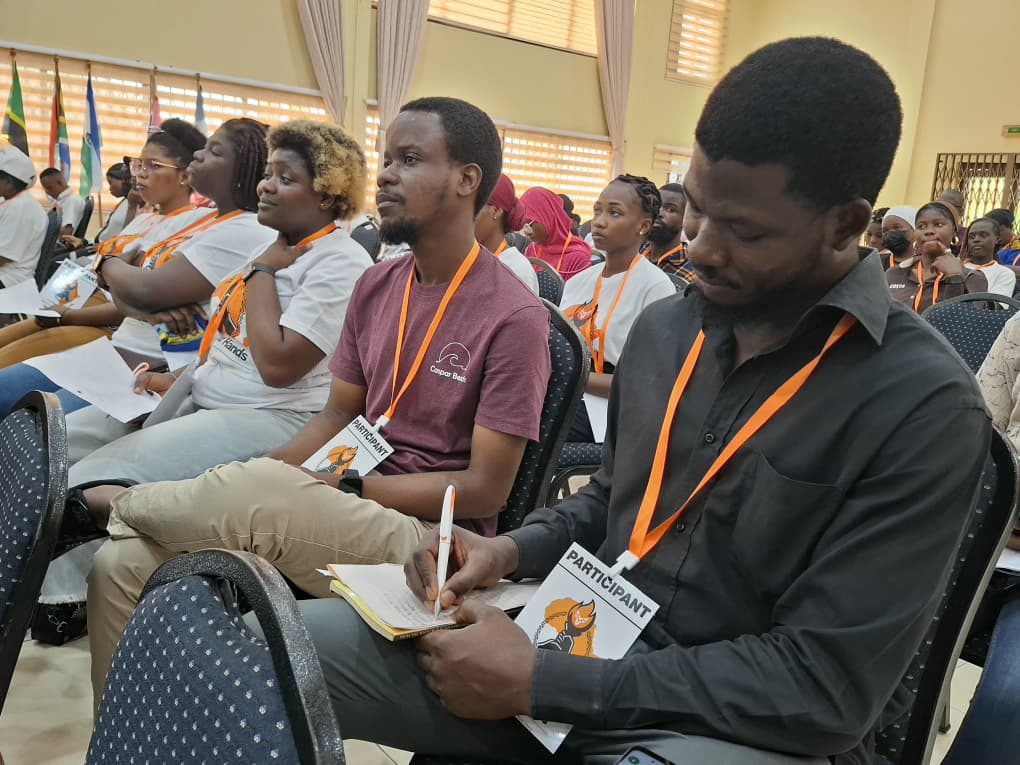
The forum was organised by the Pan-African Progressive Front (PPF) and brought together young people from across Africa to discuss the continent’s political, economic and social future.
Speaking at the forum, held on the theme, “Africa’s Freedom is in Our Hands,” the speakers said African youth had a critical role to play in securing economic independence, restoring Africa’s cultural heritage and advancing reparatory justice.
They also called for stronger links between Africa and its diaspora, youth mobilisation across communities and campuses, and practical action to translate the growing global recognition of historical injustices into tangible outcomes.
The discussions came against the backdrop of a landmark United Nations General Assembly resolution adopted on March 25, 2026, spearheaded by Ghana, which declared the trafficking of enslaved Africans and racialised chattel enslavement of Africans as “the gravest crime against humanity.”
The resolution received 123 votes in favour, with three against and 52 abstentions.
Mr Humphrey Quaye, Convener of the PPF, said Africa’s current debt and economic challenges were linked to centuries of slavery, colonialism and resource extraction.
He urged the youth to organise across campuses, communities and digital platforms and support campaigns for national and regional reparations bodies.
“The Youth of Africa demand: cancel the odious debt, pay the reparatory debt,” he said.
Dr Abu Sakara, a former presidential candidate of the Convention People’s Party (CPP), said Africa needed mechanisms to overcome its economic, political and social challenges and reconnect meaningfully with its diaspora.
He said the diaspora should not merely be invited to visit Africa but encouraged to establish communities and build long-term ties with the continent.
Mr Yamil Eduardo Martínez Marrero, Deputy Head of Mission at the Embassy of Cuba in Ghana, said sovereignty meant more than having a national flag and a seat at the United Nations.
“It means having the right to decide what we produce, what we teach our children, how we use our natural resources, who benefits from our labour,” he said.
Mr Francis Danti Kotia, Coordinating Director for Multilateral Affairs and International Organisations at the Ministry of Foreign Affairs, briefed the youth on developments following the UN resolution.
He said Ghana’s reparations campaign had resulted in the June 2026 Accra Next Steps Conference, which established three global panels to advance reparatory justice, including legal accountability and restitution of cultural heritage.
Mr Kotia urged young Africans to use platforms such as the African Union, ECOWAS and the United Nations to advocate for reparatory justice and make their voices heard.
GNA