By James Amoh Junior, GNA
Accra, Sept. 26, GNA – Stakeholders in Ghana’s energy sector have called for innovative and debt-conscious financing mechanisms to support the country’s transition to cleaner energy without undermining fiscal stability or imposing unsustainable financial obligations on future generations.
They said although the transition to renewable energy was critical to Ghana’s climate resilience, energy security and long-term economic development, the financing model adopted would determine whether it delivered broad-based benefits or created new vulnerabilities.
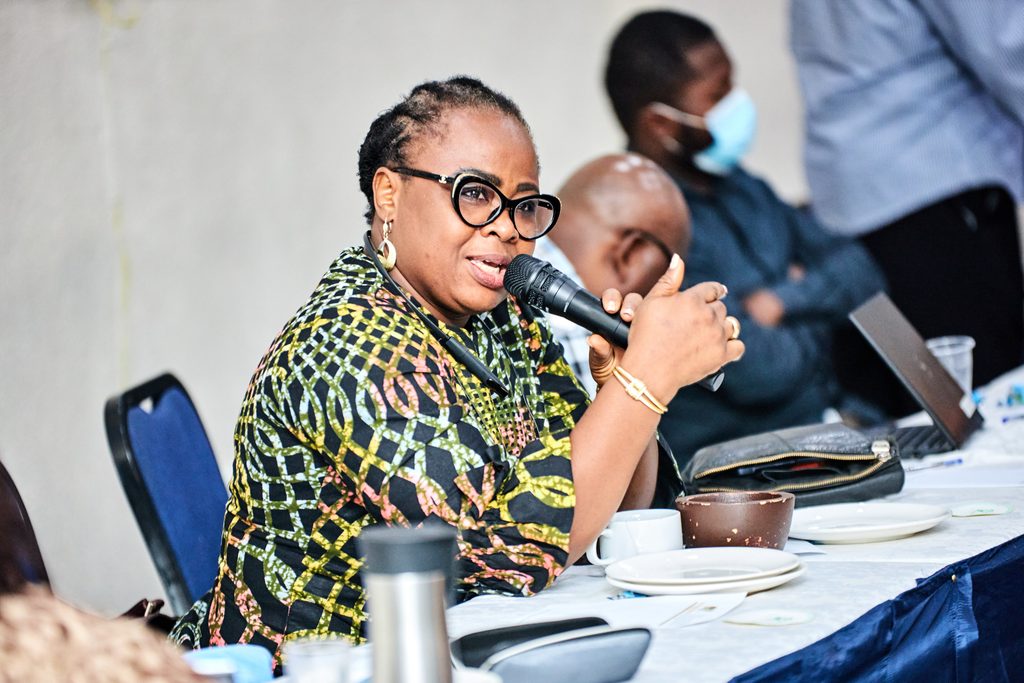
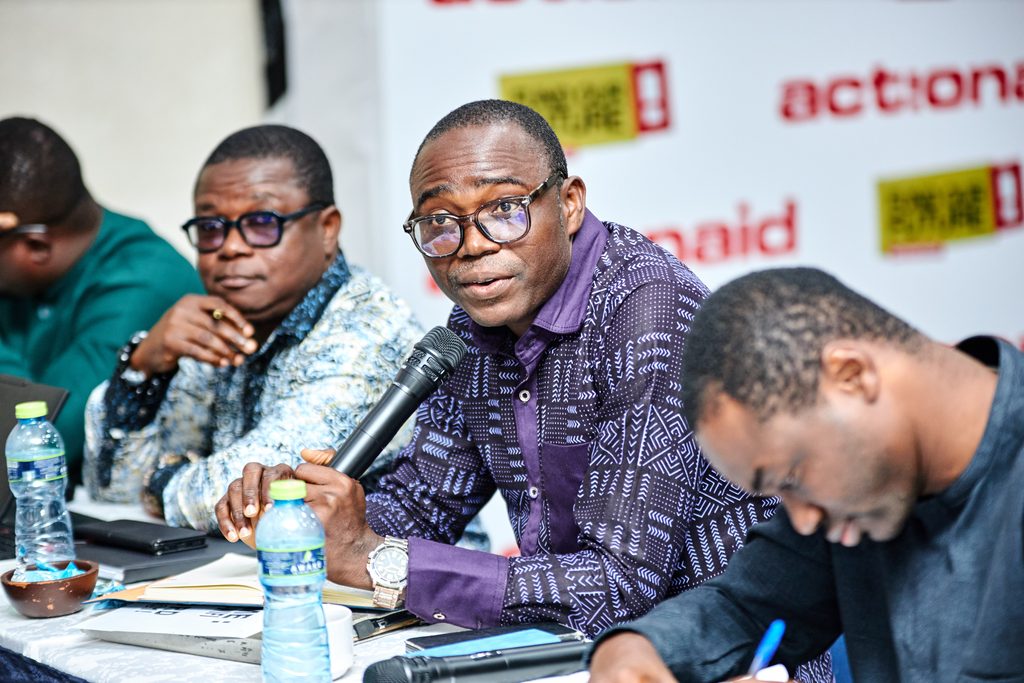
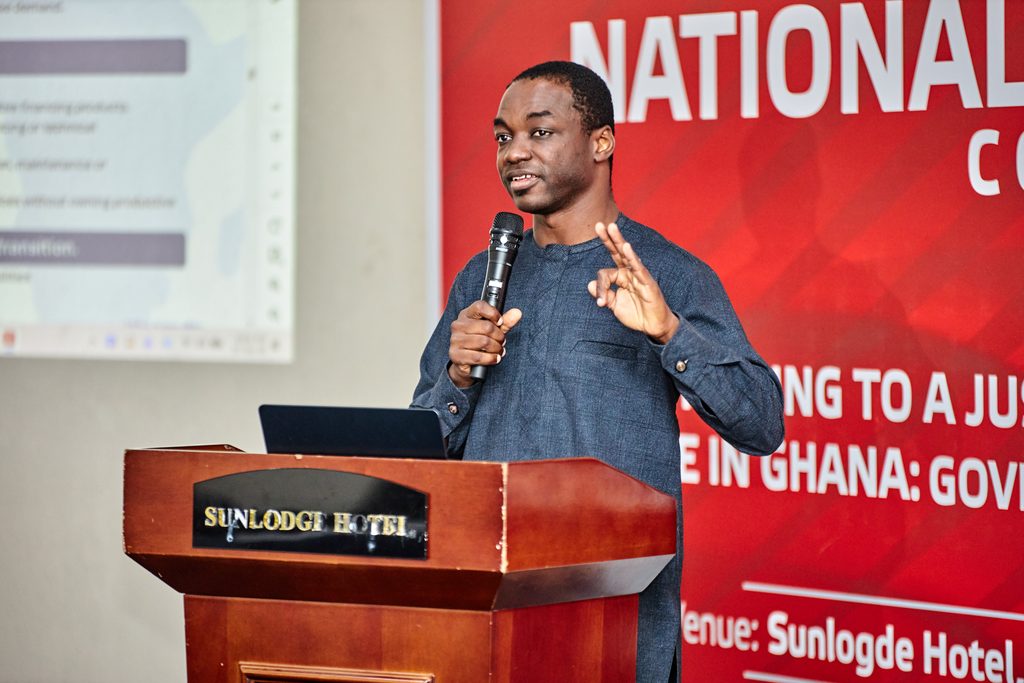
The stakeholders made the call at a National Policy Dialogue on “Transitioning to a Just and Sustainable Renewable Energy Future in Ghana: Government and Civil Society Perspectives,” organised by ActionAid Ghana in Accra on Friday.
Mr John Nkaw, Country Director of ActionAid Ghana, said financing was central to ensuring that Ghana’s energy transition was genuinely just and sustainable.
He said Ghana could not afford to respond to the climate crisis by creating another crisis through unsustainable borrowing, stressing the need to consider the terms, beneficiaries and long-term implications of financing arrangements.
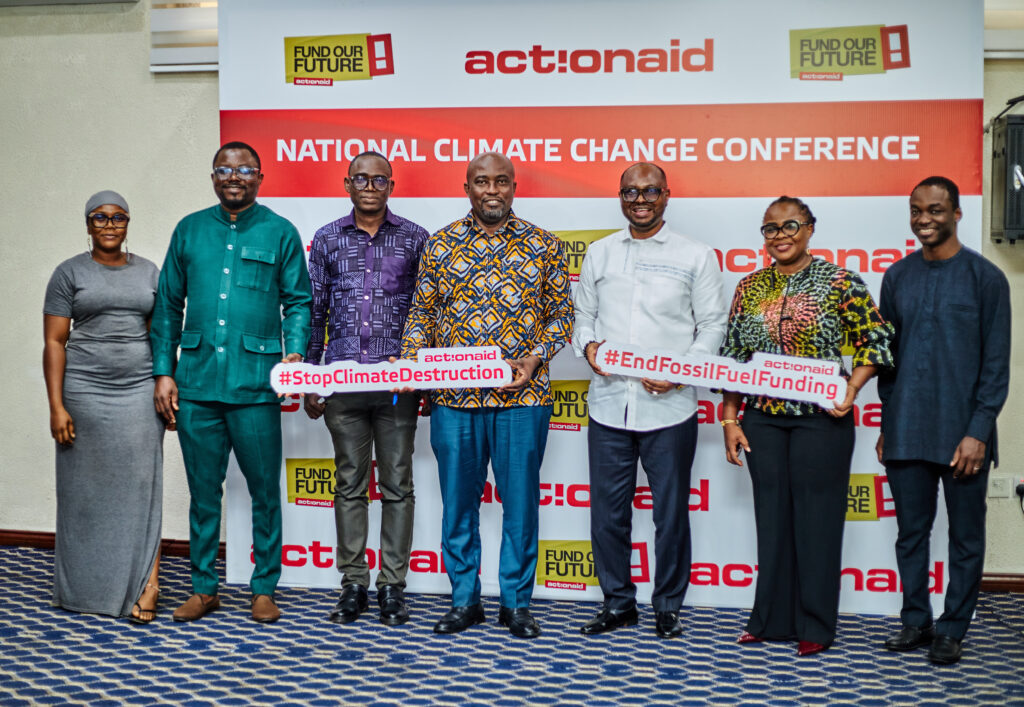
Mr Nkaw said a just transition should involve workers, women, young people and communities in decision-making, while ensuring that cleaner energy improved access, affordability and livelihoods.
He said ActionAid’s 2026 flagship report, “Debt Fuels the Climate Crisis: How the Finance Flows,” showed a strong connection between debt and climate action, with climate-vulnerable countries spending nearly 25 times more on debt repayments than on climate action.
According to the report, 93.5 per cent of the most climate-vulnerable countries were either in debt crisis or at significant risk of debt distress, while those countries were using nearly 65 per cent of their national revenues to service debt.
It noted that debt servicing in 2026 was nearly four times spending on education, nearly seven times spending on health, and nearly six times spending on social protection.
Mr Nkaw, therefore, called for greater use of public and grant-based climate finance and urged policymakers to scrutinise debt-creating instruments to ensure that financing the energy transition did not constrain future investment in essential services.
Dr Charles Gyamfi Ofori, Policy Lead for Climate Change and Energy Transition at the Africa Centre for Energy Policy (ACEP), said Ghana should treat the energy transition as an economy-wide development agenda rather than solely an energy-sector issue.
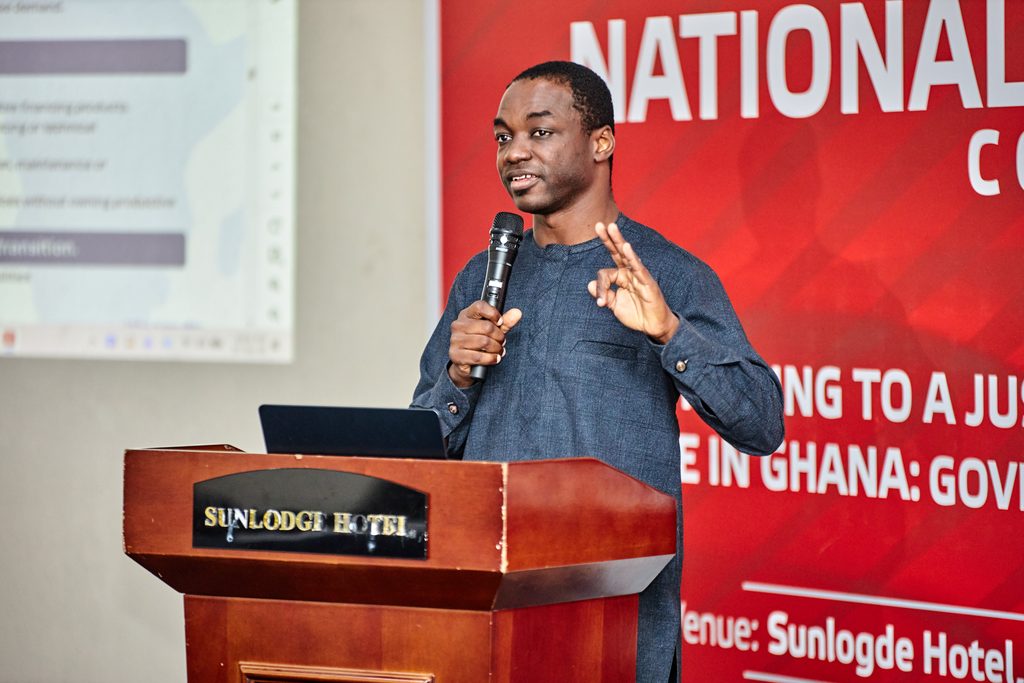
He said the transition had implications for finance, trade, industrialisation, gender, social development and employment, and should be integrated into broader national development planning.
Dr Ofori said Ghana should use the transition to build domestic value chains, create jobs and retain more economic value locally instead of becoming heavily dependent on imported technologies.
He also advocated the integration of energy-transition considerations into public investment, including the use of locally developed waste-to-energy solutions.
“Energy transition seeks to deliver three outcomes simultaneously: climate sustainability, energy security and economic prosperity,” he said.
Mr Seth Mahu, Director of Renewable Energy and Green Transition at the Ministry of Energy and Green Transition, said the Government was developing the National Energy Transition Framework through consultations with key stakeholders.
He said Ghana viewed the transition from five perspectives: identifying a viable pathway towards a carbon-neutral economy; harnessing opportunities created by the transition; assessing its impact on the economy, infrastructure, government revenue and jobs; developing long-term targets and policies; and quantifying its cost.
Mr Mahu said Ghana would require more than US$500 billion to achieve net-zero emissions by 2070, making financing a critical component of the transition.
The Government, he said, was working with financial institutions, development finance institutions and multilateral development banks to mobilise the required capital, while using the Renewable Energy Fund to de-risk investments and improve the profitability of the sector.
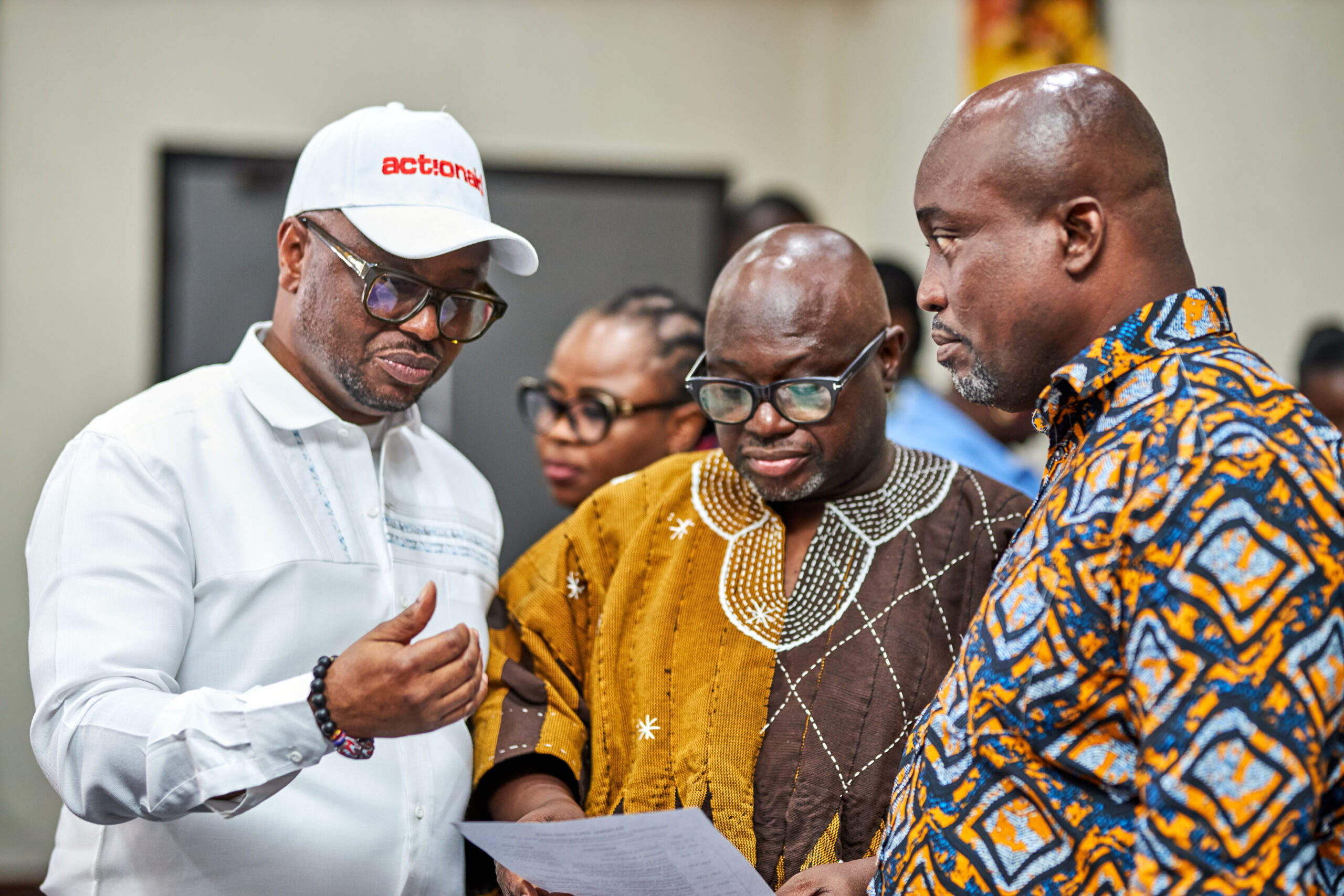
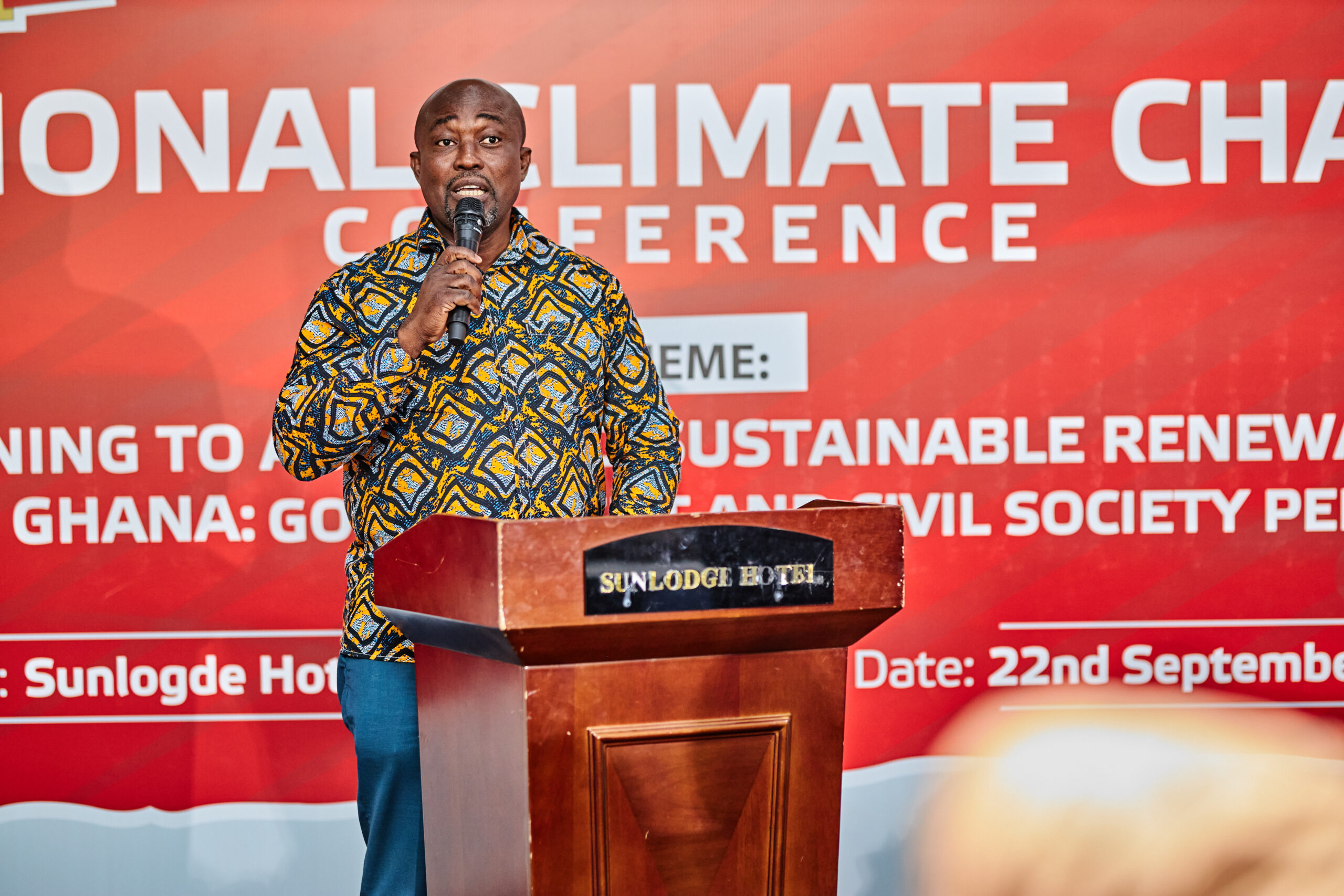

Mr Mahu noted that Ghana currently had about 342.5 megawatts of installed renewable energy capacity across utility-scale, rooftop and stand-alone systems, representing about six per cent of the national generation mix.
The Ministry, he added, was targeting more than 1,400 megawatts of installed renewable energy capacity by 2030, alongside more than 5,000 solar home systems for remote communities.
He said the Government had commissioned eight renewable energy mini-grids serving more than 15,000 people and commenced construction of 35 additional mini-grids expected to connect more than 70,000 people in island and lakeside communities.
It was also pursuing a Water-Energy-Food Nexus Programme, including solar-powered irrigation and the planned deployment of 3,500 portable solar water-pumping schemes, with 500 to be implemented in the first phase.
The ActionAid report recommends debt cancellation for unpayable or unjust external debts, automatic debt-service suspension for countries hit by major climate disasters, reforms to the global debt architecture and greater use of grant-based climate finance rather than loans.
GNA
Edited by Agnes Boye-Doe
Reporter: James Amoh Junior
Email: [email protected]