By Hannah Awadzi, GNA
Accra, Sept. 23, GNA – Ms Gloria Ntim, an official with the Special Education Division of the Ghana Education Service (GES), has announced that Sign Language may become a compulsory subject in basic schools within the next five years.
She told the Ghana News Agency in an interview that the National Council for Curriculum and Assessment (NaCCA) has approved Sign Language for piloting in selected special schools, after which it will be rolled out nationwide.
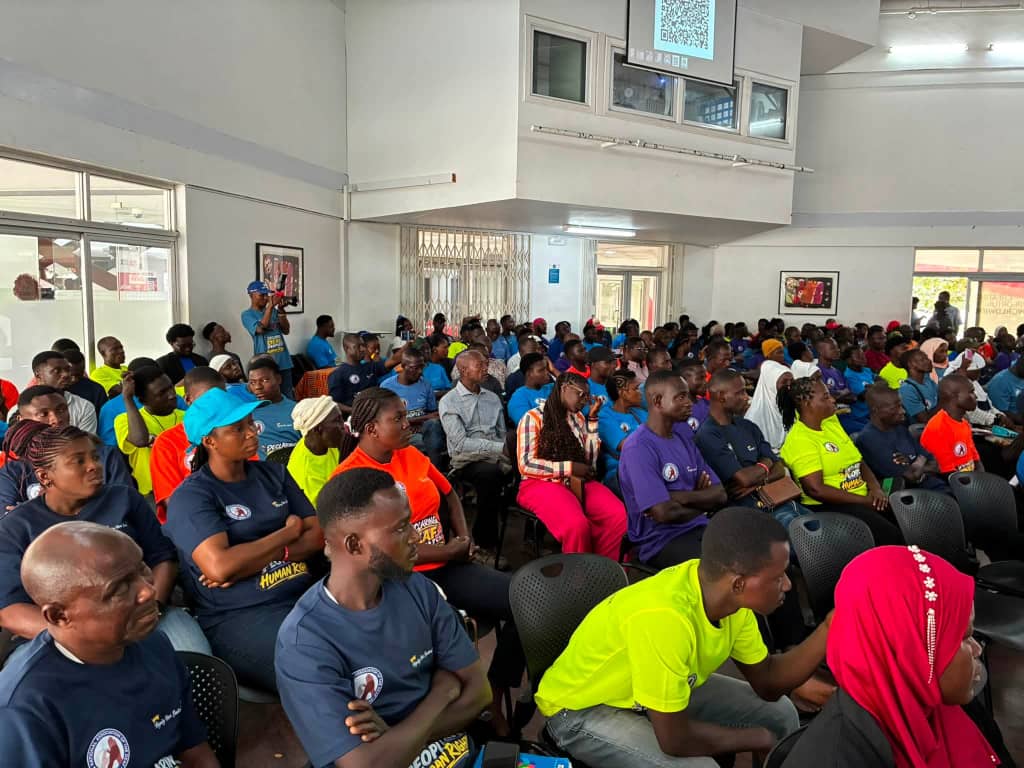
Ms Ntim made the disclosure at an event organised by the Ghana National Association of the Deaf (GNAD) to mark the International Day of Sign Languages, celebrated annually on September 23.
The Association also used the occasion to engage stakeholders on accelerating the passage of the Persons with Disabilities Bill, 2026.
She explained that in the years ahead, Sign Language will become an examinable subject to encourage children to interact and communicate effectively with their deaf colleagues.
Ms Jennifer Asuako, Gender and Human Rights Analyst at the United Nations Development Programme (UNDP), emphasised that Sign Language is not merely a means of communication but a fundamental right.
She called for swift passage of the Persons with Disabilities Bill to empower persons with disabilities to exercise their rights, stressing that “empowerment should be at the centre of disability inclusion.”
Mr Alexander Bankole Williams, a disability activist, commended GNAD for convening the forum but urged the government to expedite the passage of the Bill.
He noted NDC administration had fast-tracked the passage of some legislation within their first year in office; the disability bill had remained pending for years. “This goes to confirm the fact that in Ghana, issues of disability receive more lip service than actual commitment.”
Ms Adwoa Okorewaa, representing the Inclusive Family Alliance, called on stakeholders not to overlook the critical role of parents and caregivers of children with disabilities.
She reiterated that “a truly inclusive approach should recognise parents and caregivers not simply as beneficiaries but as essential partners in their child’s development. Their voices, experiences and needs must be reflected in disability policies, programmes and services.”
Mr Edwin Andoh, Executive Secretary of the National Council on Persons with Disabilities, reiterated the government’s commitment to the passage of the Bill.
GNAD has joined the global community in celebrating the International Week of the Deaf, from September 21 to 27, 2026.
The week has been marked with fora bringing together academia, researchers, policymakers, civil society organisations, corporate organisations, Members of Parliament and other stakeholders to discuss strategies for effectively including deaf persons in national development.
GNA
Edited by Linda Asante Agyei
Writers email: [email protected]