By Solomon Gumah, GNA
Tamale, Sept 03, GNA – Mr Ali Adolf John, Northern Regional Minister has called for stronger collaboration and accountability among stakeholders in the education sector to address alleged irregularities in the implementation of the School Feeding Programme in the region.
He expressed concerns over reports that some caterers allegedly failed to provide meals for the required five days despite receiving payment for the full period while beneficiary figures were allegedly inflated.
Mr John said this at an engagement forum in Tamale organized by the Northern Regional Directorate of the Ghana Education Service in collaboration with ActionAid Ghana under the auspices of the Northern Regional Coordinating Council.
The engagement was organized under the theme: “Building Strong Partnerships: The Role of Communities in Advancing Quality Pre-Tertiary Education.”
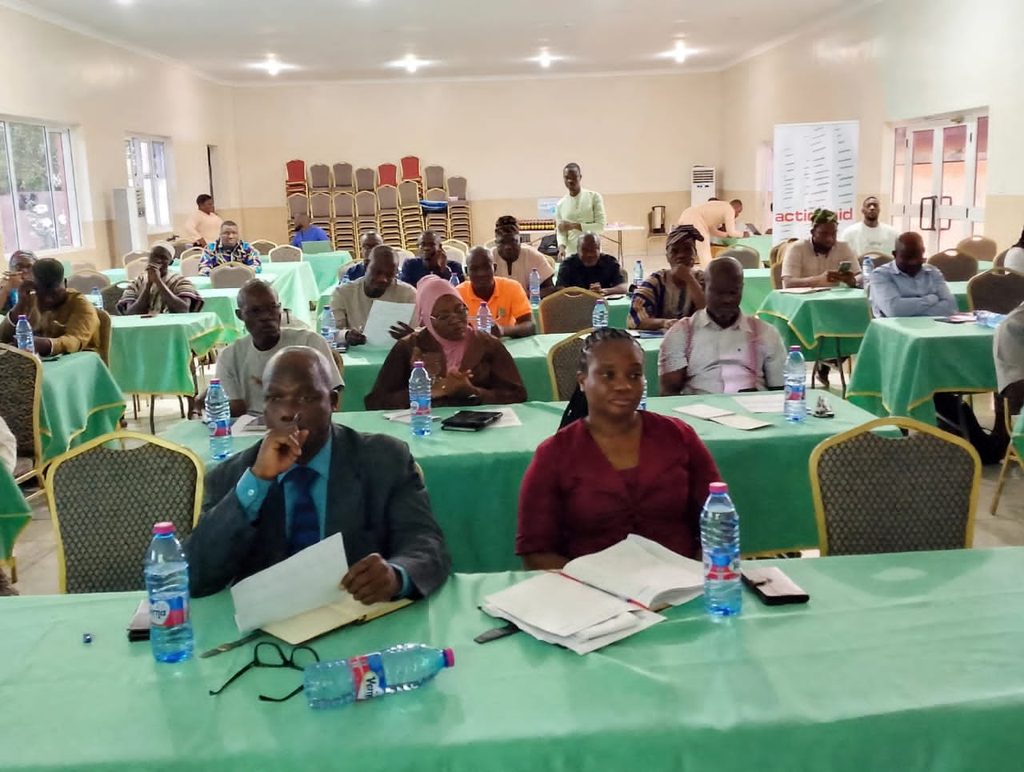
Participants at the forum deliberate on strategies to strengthen education delivery, improve learning outcomes, and deepen community participation and accountability in the region.
The engagement was to re-imagine the impact of enhanced District Education Oversight Committees and communities’ participation in pre-tertiary education in the region
Mr John said the alleged padding of beneficiary numbers did not correspond with figures contained in school registers describing the practice as unacceptable.
He said such practices undermined the effective implementation of the programme and could deprive vulnerable children of the nutritional support intended to keep them in school and improve their concentration and participation in learning.
He emphasized that the challenge could also undermine government’s efforts to expand the School Feeding Programme to other deprived schools and communities across the region
He said he was determined to ensure that the reported irregularities did not continue under his watch, stressing need for transparency and accountability in the use of resources allocated to the programme.
Mr John urged all stakeholders involved in the implementation and monitoring of the programme to work together to ensure that the intended beneficiaries received the services for which government paid.
Mr Justin Bayor, Head of Programmes, Campaigns and Innovation at ActionAid Ghana said access to education alone was no longer sufficient, stressing need for stakeholders to focus on whether children were acquiring the requisite knowledge and skills.
He emphasised the critical role of communities in improving education outcomes and said parents and caregivers must support regular school attendance and learning at home.
He said “Quality education is a shared responsibility” adding government remained central to providing the policies, resources, infrastructure and systems required to deliver quality education.
Mr Seibu Alhassan, Northern Regional Statistician at the Ghana Education Service, who presented data on pre-tertiary education outcomes and performance in the region, expressed concern over the growing incidence of violence in schools.
He said 65 cases of violence were reported in Senior High Schools (SHSs) in the region in 2025, with physical assault on students being the highest number of cases.
Mr Alhassan said the reported cases comprised 37 incidents of physical assault on students, 12 cases of sexual harassment by colleagues, five cases of extortion by colleagues and five cases of cyberbullying.
He urged stakeholders to strengthen preventive measures, counselling, discipline, and student support systems to address the underlying factors contributing to violence in schools.
GNA
Edited by Eric K Amoh /Kenneth Odeng Adade
Writer’s Email: [email protected]