By Benjamin Adamafio Commey
Accra, Sept. 23, GNA – Bishop Emmanuel Kofi Fianu, the Chairman of the National Peace Council, has called for concerted efforts to ensure that elections across Africa become instruments of peace, unity and development rather than sources of conflict and division.
He said electoral integrity should go beyond voting on election day to encompass the entire electoral cycle, including voter registration, campaign financing, civic education, media engagement, vote counting and collation, peaceful dispute resolution, and public acceptance of credible electoral outcomes.
Bishop Fianu made the call in Accra on Wednesday when he delivered the keynote address at the opening of the Third Electoral Integrity Summit, organised by the African Election Observers Network (AfEONet), in partnership with the Ghana Centre for Democratic Development (CDD-Ghana) and the West Africa Election Observers Network (WAEON).
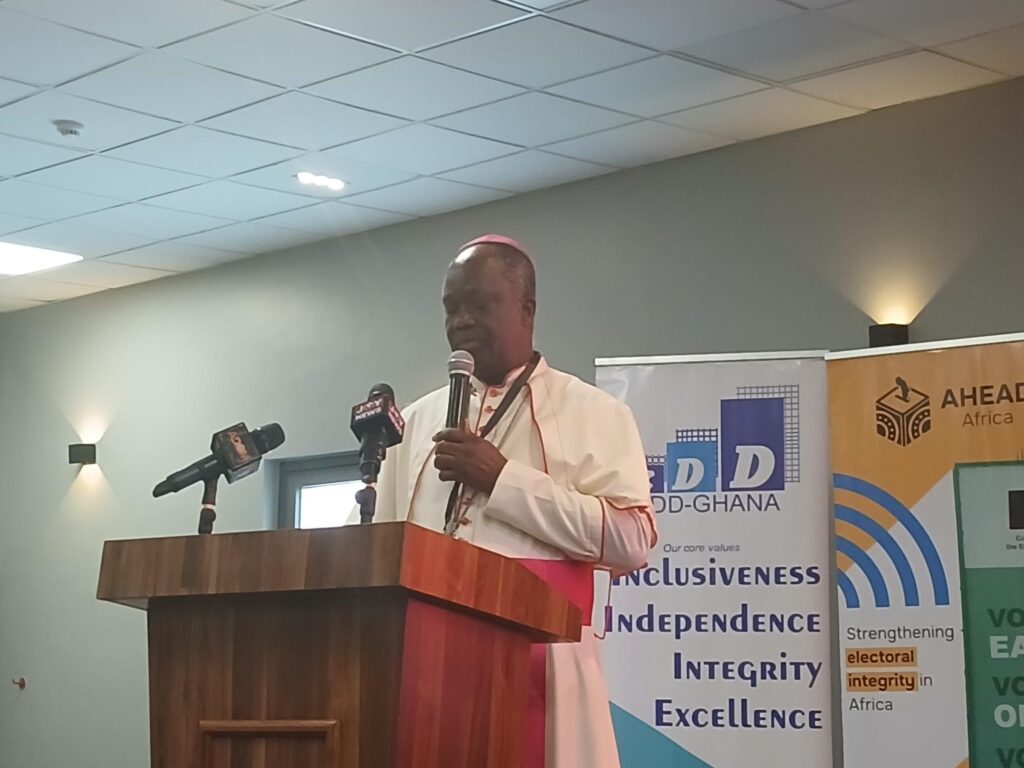
The two-day summit, on the theme: “Money, Technology and Civic Rights: Defending Electoral Integrity in Africa,” brought together election observers, civil society organisations, and democracy experts from across the continent to examine emerging threats to electoral integrity and explore practical solutions.
Bishop Fianu said although African countries had made significant democratic progress over the past three decades, electoral violence, misinformation, disinformation, political intolerance, abuse of incumbency, illicit campaign financing and declining public trust continued to pose challenges to democratic consolidation.
He expressed particular concern about the increasing commercialisation of politics and called for stronger measures to regulate campaign financing.
Bishop Fianu warned that unregulated campaign financing could create unequal political opportunities, weaken accountability and encourage vote-buying, patronage politics, and corruption.
“Democracy should never become an ocean where leadership is purchased by the highest bidder,” he said.
“When money becomes the principal determinant of electoral success, competence, integrity, and public service are pushed aside.”
The Chairman also called for stronger collaboration among electoral management bodies, political parties, civil society organisations, the media, security agencies, traditional authorities, religious bodies, election observers, technology companies, and citizens to safeguard electoral integrity.
On technology, Bishop Fianu acknowledged its contribution to civic education, voter awareness and election observation through digital reporting, incident monitoring, and electronic transmission of election information.
He, however, cautioned that misinformation, disinformation, cyber interference, artificial intelligence-generated content, and hate speech could undermine public confidence in elections and deepen political and social divisions.
He urged governments to protect legitimate civic expression while encouraging technology companies, media institutions and civil society organisations to promote responsible digital citizenship.
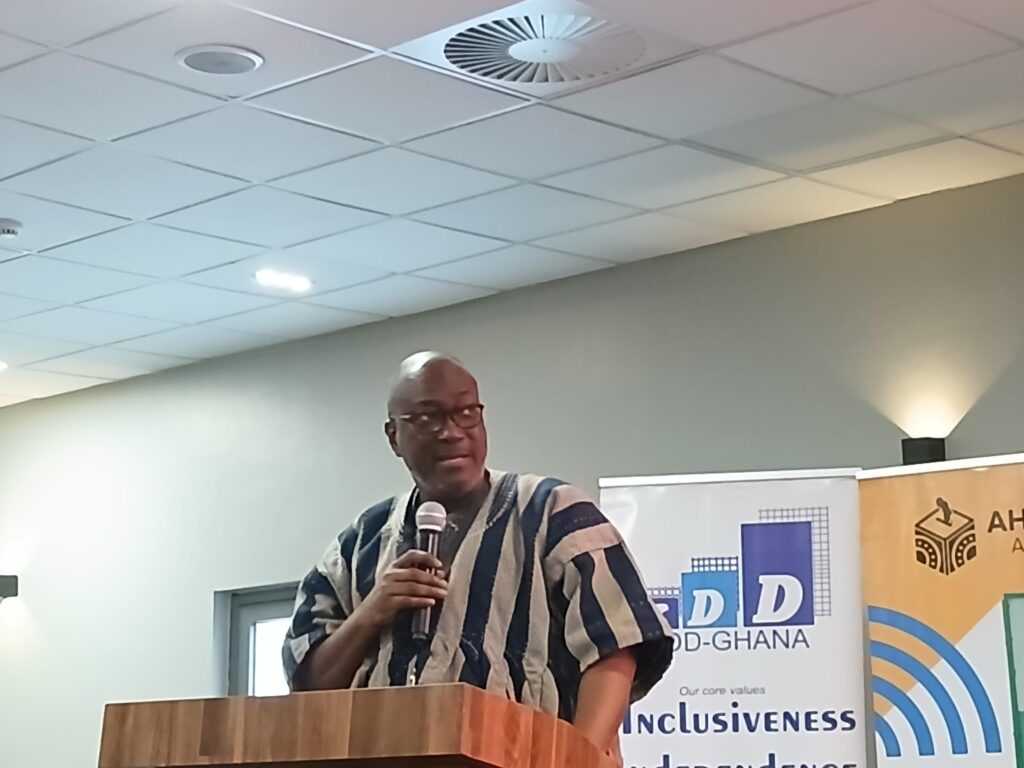
Professor Henry Kwasi Prempeh, the Executive Director of CDD-Ghana, said Ghana’s reputation for democratic consolidation and peaceful political transitions should not lead to complacency, as every election exposed new pressure points requiring sustained attention.
He also identified political financing as one of the significant challenges confronting electoral integrity, saying the rising cost of political competition and lack of transparency in campaign financing could narrow access to political office.
“Money in politics has become a really big problem, not just in Ghana but across the continent,” Prof. Prempeh said.
He said technology, which had helped to make elections more transparent, could also be deployed to undermine electoral processes.
He cited AI-generated disinformation, deepfakes and coordinated manipulation of information as emerging threats capable of spreading false narratives faster than fact-checkers could respond.
The challenge, he said, was no longer whether societies should embrace technology, but how it could be used with appropriate safeguards and clear accountability when harm occurred.
Prof. Prempeh stressed the need for the protection of civic space, arguing that free media, independent civil society organisations, and citizen observers were essential to exposing financial and technological manipulation during elections as well as enhancing electoral integrity.
“Africa’s electoral integrity is only as strong then as the civic space in which it is contested,” he said.
Mr Samuel Dottoh Kwaah, Director of Electoral Services at the Electoral Commission (EC), said transparency and inclusion were central to building public trust in elections.
Thus, he said, the Commission sought to make every stage of the electoral process open to scrutiny, from voter registration and publication of voter information to ballot printing, verification and declaration of results.
“Transparency and inclusion are the surest way to deliver elections that are free, fair and acceptable by stakeholders and citizens alike,” he said.
He said sustained cooperation among electoral stakeholders describing it as necessary to ensuring that technological advancement, increased political participation and democratic freedoms translated into greater public confidence in electoral outcomes.
GNA
Edited by Agnes Boye-Doe
Reporter: Benjamin Adamafio Commey