By Benjamin Adamafio Commey
Accra, Aug. 28, GNA – The Speaker of Parliament, Mr Alban Kingsford Sumana Bagbin, has urged media practitioners to remain committed to accuracy, fairness, professionalism and the national interest in discharging their duties.
He said although media freedom was fundamental to Ghana’s constitutional democracy, its exercise came with responsibilities, particularly in an era where misinformation, polarisation and emerging digital technologies posed growing threats to public trust and social cohesion.
“The freedom of media must continue to be protected, but freedom must be exercised with responsibility. The media must remain committed to accuracy, fairness, professionalism, and the national interest,” Mr Bagbin said.
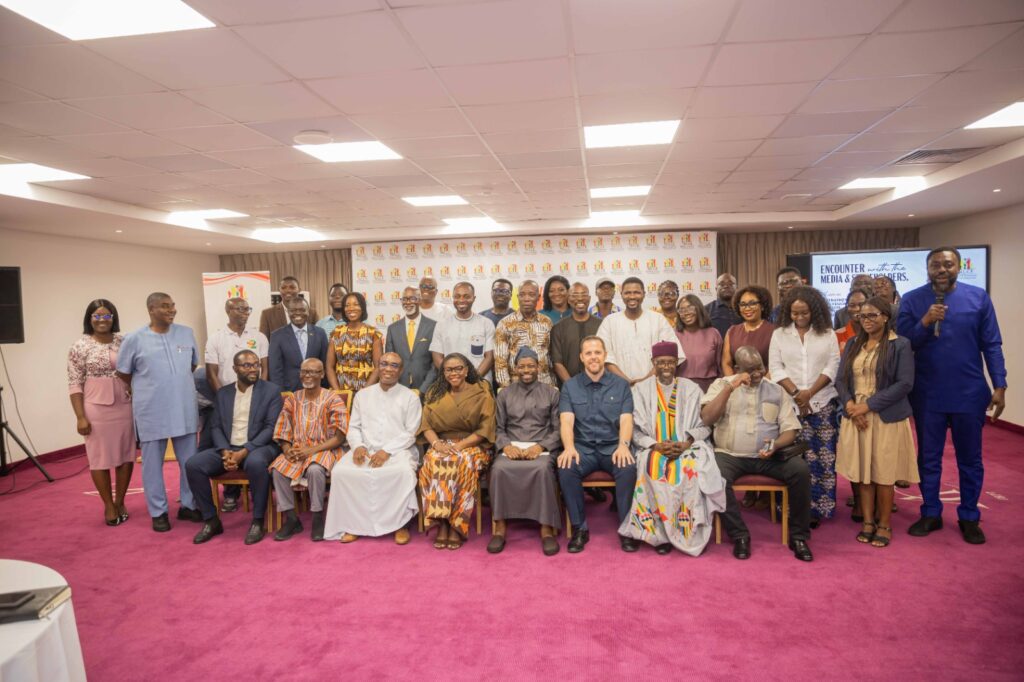
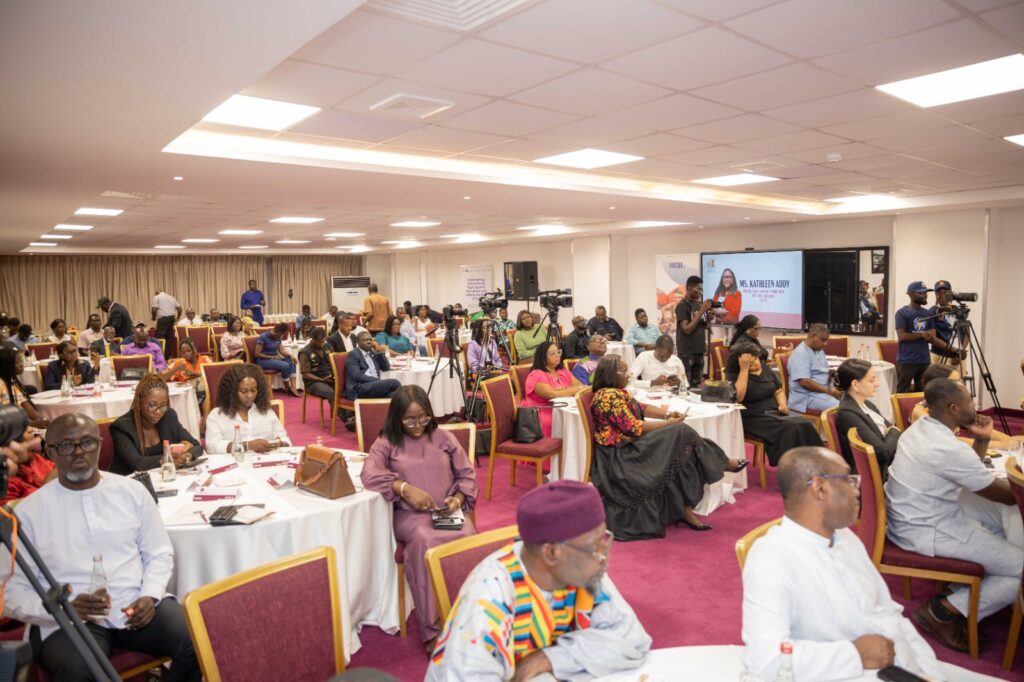
The Speaker made the call in a speech read on his behalf, in Accra, on Thursday, at a Press Soirée organised by the National Commission for Civic Education (NCCE) to strengthen its strategic partnership with the media and other stakeholders.
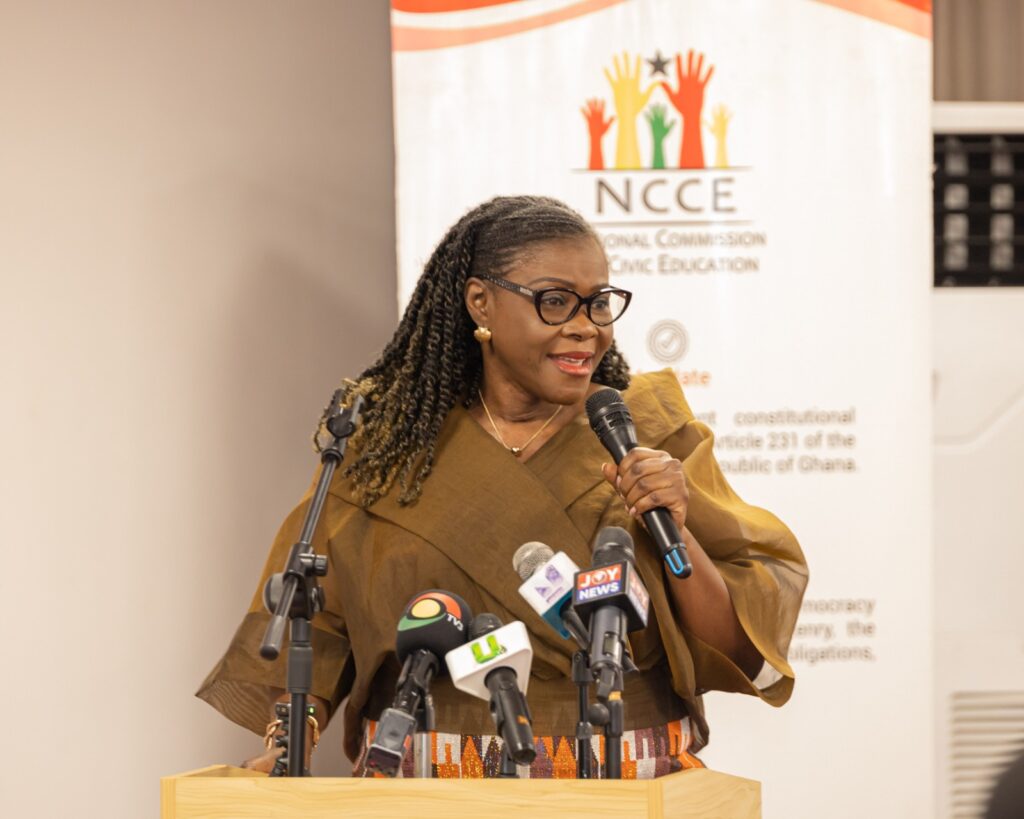
The event, held on the theme: “Strengthening Civic Education through Strategic Partnerships,” brought together senior media practitioners, development partners, civil society organisations, and religious leaders among other stakeholders to share experiences on promoting civic consciousness, constitutional democracy, and national cohesion.
The Press Soirée formed part of efforts to build sustained partnerships with media professionals and their platforms to advance civic consciousness.
Mr Bagbin said the media occupied a unique position in Ghana’s democracy because it provided citizens with information, facilitated public debate and helped hold leaders and institutions accountable.
However, he cautioned that irresponsible media practices could also contribute to division, misinformation and public distrust.
He said the rapid spread of information through digital platforms had made the media’s responsibility even more critical, as false information could reach thousands or millions of people within minutes.
The Speaker also expressed concern over the growing use of artificial intelligence and emerging technologies to create content that could make it increasingly difficult for citizens to distinguish facts from manipulation and deliberate deception.
He urged the media to deepen their collaboration with the NCCE to promote civic awareness and democratic values.
“Our airwaves, newspapers, television platforms, and digital spaces should not only inform citizens about political events. They should also educate citizens about the Constitution, their civic duties, the institutions of state, and the importance of peaceful participation in public life,” he said.
Democracy, Mr Bagbin stressed, was not sustained by elections alone, but also by informed and active citizens, accountable public institutions, and meaningful citizen participation in governance.
He called for stronger collaboration among Parliament, the NCCE, media organisations, civil society, traditional and religious leaders, educational institutions, development partners and the private sector to deepen civic education.
The Speaker also urged stakeholders to invest deliberately in civic education for young people, explaining that the future of the country’s democracy depended significantly on their values, attitudes, and civic consciousness.
“Young people should not only be mobilised during elections. They must also be educated on their civic rights and how to live as Ghanaians,” he said.
Mr Babgin, therefore, commended initiatives including Civic Education Clubs, Project Citizen, and CivicFest, and called for their strengthening and expansion to give young people practical opportunities to engage duty-bearers and contribute to solving challenges in their communities.
He advised citizens to verify information before sharing, respect the dignity and rights of others and use digital platforms constructively.
He reaffirmed Parliament’s commitment to working with the NCCE and other stakeholders to strengthen civic engagement, constitutionalism and responsible citizenship.
Ms Kathleen Addy, Chairperson of the NCCE, said the Commission’s partnership with the media was critical to the success of civic education, particularly because of the media’s ability to amplify civic messages and reach citizens across the country.
She said the engagement provided an opportunity for the NCCE and the media to strengthen their relationship, exchange perspectives and deepen mutual understanding to promote constitutional awareness, responsible citizenship and national cohesion.
Ms Addy said the media had played a significant role in Ghana’s democratic development, noting that the 1992 Constitution provided a firm foundation for media freedom and independence while also assigning the media the responsibility to uphold the principles and objectives of the Constitution and hold government accountable.
She, however, stressed the need for media freedom to be matched by professional responsibility, particularly in the digital era where misinformation, disinformation, hate speech, online harassment and deepfake content could undermine public trust and social cohesion.
“The choice before us is not between free media and responsible media. Ghana requires a media that is both free and responsible,” she added.
GNA
Edited by Agnes Boye-Doe
Reporter: Benjamin Adamafio Commey