By Albert Allotey
Accra, Aug. 27, GNA – The African Youth and Adolescents Network on Population and Development (AfriYAN Ghana) has organised a two-day empowerment session for adolescent girls and young women in the Greater Accra Region to help address their sexual and reproductive health and gender-based violence vulnerabilities.
The workshops formed part of the Adolescent Girls Project (AGP), being implemented by AfriYAN Ghana and its partners with funding support from the United Nations Population Fund (UNFPA).
The sessions were held in three communities within the Accra Metropolitan Area and brought together more than 200 participants.
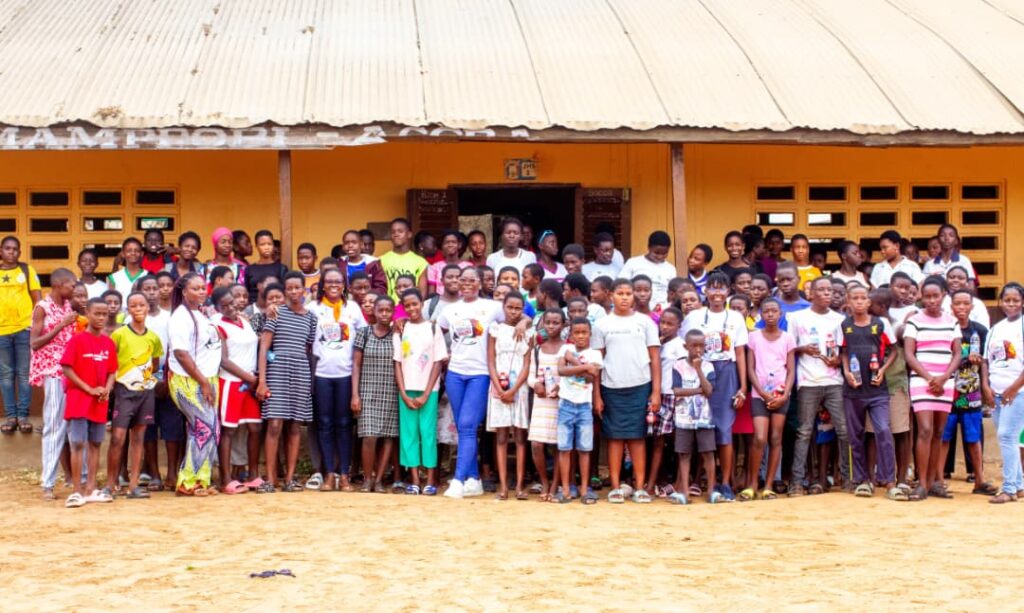
The programme sought to empower adolescent girls and young women to stand against Sexual and Gender-Based Violence (SGBV) and to become more aware of their rights and available support systems.
Ms Ophelia Allotey and Ms Josephina Quaynor, lead facilitators of the workshop, took participants through topics including consent, assertiveness and bodily autonomy.
They encouraged the participants to speak up against abuse and ensure that they were treated with dignity and respect.
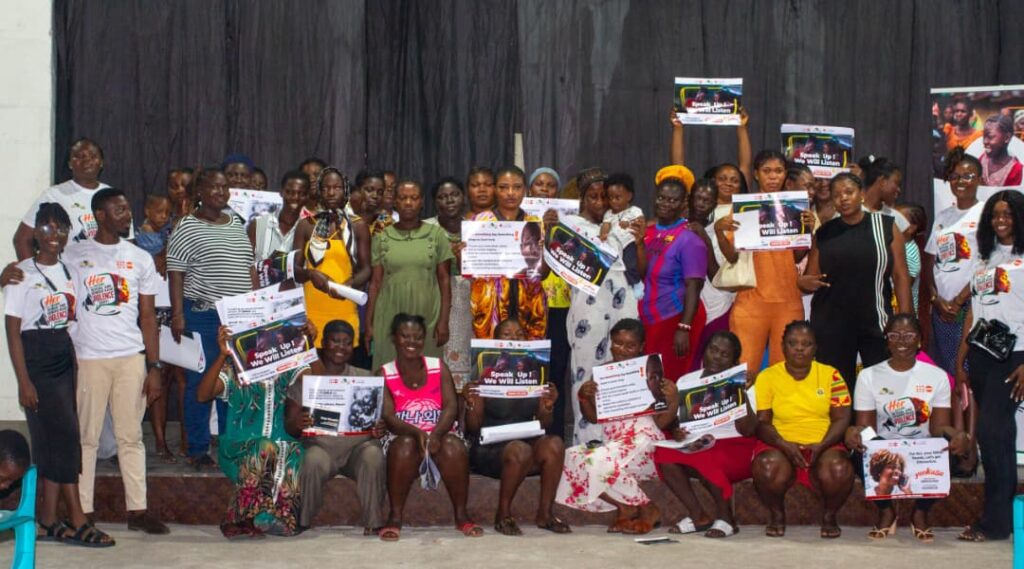
“No one has the right to touch you inappropriately and, in a manner, you don’t desire, let your NO mean NO,” Ms Allotey, who is also Project Lead for She Inspire Africa, emphasized.
Ms Quaynor on her part, urged the girls to be assertive and communicate their displeasure clearly by matching their words with actions.
“You cannot tell someone to stop an action and still be sitting on his bed. Your voice, eyes and actions must all communicate the same thing,” she said.
An interactive theatre performance staged at the Jamestown Community Theatre Centre highlighted the issue of intimate partner violence.
The performance revealed that the practice remained widely normalised in some communities, with some victims perceiving it as part of a relationship.
Addressing participants and community members after the performance, Ms Allotey, called for a cultural shift towards respectful relationships.
She urged community leaders to stop shielding perpetrators of abuse against girls and women and rather speak out against such harmful practices.
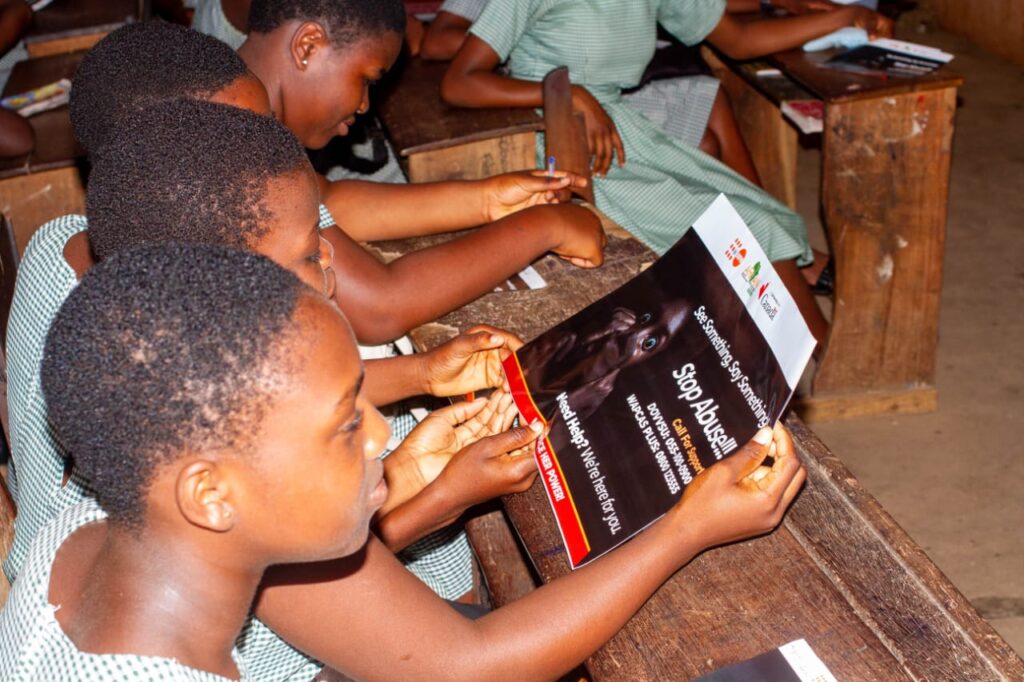
Some participants expressed appreciation to the organisers for increasing their awareness of available support services.
One participant said: “I didn’t know that there are specific places you can go to apart from the clinics to access reproductive health services or even get support from when you face any form of abuse but now, I know better.”
The empowerment sessions align with AfriYAN Ghana’s broader mission as a UNFPA sub-implementing partner promoting Sexual and Reproductive Health and Rights (SRHR), youth development and policy advocacy to improve the wellbeing of adolescents and young women across the country.
GNA
Edited by Lydia Kukua Asamoah