By Edward Dankwah, GNA
Accra, Aug. 21, GNA – The Accra Labone and UPSA Leos Club have partnered with the Narcotics Control Commission (NACOC) to intensify education and prevention efforts against illicit drug use among young people.
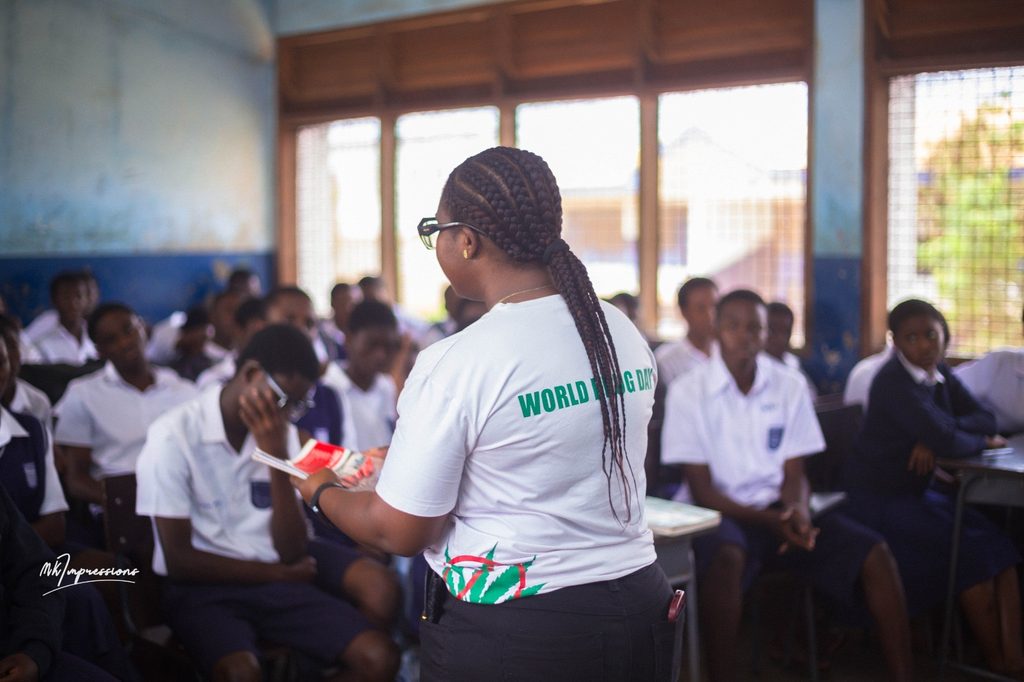
The partnership formed part of a sensitisation exercise held at Labone Senior High School in Accra, aimed at equipping students with knowledge about illicit drugs, their effects on learning and the factors that may expose young people to drug use.
Mr. Augustus Nii Odoi, the Club Service Chairperson, Accra Labone Leo Club, said the initiative formed part of activities to mark International Youth Day in August and respond to emerging challenges affecting young people in their communities.
He said the club identified the rising concerns surrounding drug use and abuse among the youth and therefore chose Labone Senior High School as a platform to educate students and help prevent drug-related problems before they begin.
Mr. Odoi said prevention required creating safe and welcoming environments where young people could openly discuss the pressures they faced, particularly peer pressure and attempts by others to introduce them to drugs.
“Young people must be made to understand that drug use is not a form of entertainment and that they can pursue several productive activities instead,” he added.
He encouraged parents, teachers and community leaders to maintain open communication with young people so they could identify early signs of peer pressure and intervene before students became involved in drug use.
Mr Odoi said the Accra Labone Leo Club was seeking to revive the club at Labone Senior High School, which had previously existed but became inactive.
He explained that Leo Clubs provided young people between the ages of 12 and 31 with opportunities to develop leadership and volunteerism while contributing to the welfare of underserved people in their communities.
The Club Service Chairperson said introducing volunteerism to young people at an early age would help develop a culture of service and civic responsibility as they grew into adulthood.
He called for more young people to embrace volunteerism and take initiative in addressing challenges within their communities.
Senior Narcotics Control Officer (SNCO) Clara Botwe of the Education and Prevention Department, NACOC, said the Commission welcomed partnerships with youth organisations such as the Leos Clubs as part of efforts to extend drug prevention education to more schools and communities.
She said young people remained particularly vulnerable to drug use and were often influenced by misconceptions and inadequate information about the effects and dangers associated with drugs.
She said the sensitisation exercise was therefore intended to help students identify illicit drugs, including cannabis and the various street names associated with them, understand their effects and make informed decisions that would protect their education and future.
SNCO Botwe said some young people also began their journey into illicit drug use through the misuse of legal drugs, which could expose them to further risks before eventually progressing to illicit substances.
“We cannot do the work alone; there’s the need for sustained collaboration between NACOC, youth organisations, civil society groups, schools and other stakeholders in addressing the growing challenge of drug use among young people,” she stressed.
She said NACOC was open to partnerships with individuals, organisations and non-governmental organisations willing to support its prevention and education mandate.
SNCO Botwe highlighted the Commission’s Drug-Free Clubs initiative in basic and senior high schools, describing it as an important platform for empowering students to resist peer pressure and other risk factors associated with drug use.
She said the initiative sought to build students’ confidence and self-esteem while equipping them with the knowledge and skills needed to make healthy decisions.
She added that NACOC was looking to establish Drug-Free Clubs in more senior high schools as part of efforts to strengthen peer-led drug prevention education.
SNCO Botwe said young people were more likely to listen to and relate to their peers, making students important partners in spreading drug prevention messages within their schools and communities.
She urged students to take the information provided during the sensitisation exercise seriously and to serve as ambassadors for a drug-free society by sharing accurate information with their peers.
GNA
Edited by Benjamin Mensah