Accra, July 21, GNA – Forty-five women from the Accra Diocese of the Methodist Church Ghana and the Catholic Church have benefited from a livelihood empowerment programme organised by the Rebecca Foundation under its Terema Initiative.
The beneficiaries underwent a five-day training programme in pastry production, including cake, bread and pie making, while others received training in soap and detergent production.
The training was held at the Robert Aryee Memorial Institute at Mamprobi in Accra.
At a graduation ceremony, participants were presented with certificates and start-up kits to enable them to begin their own businesses.
Beneficiaries trained in baking received ovens, gas cylinders, flour, margarine, cooking oil and baking powder, among other items. Those trained in soap making were provided with raw materials, chemicals and tools for producing detergents and soap.
Ms Sheela Sakyi Oppong, a lawyer and Lead Strategist of the Rebecca Foundation, speaking on behalf of Mrs Rebecca Akufo-Addo, Founder of the Foundation and former First Lady, said the training was aimed at empowering women economically through skills development.
She encouraged the beneficiaries to utilise the skills acquired to establish sustainable sources of income and support their families.
Ms Sakyi Oppong advised them to start small by selling their products within their communities, churches and workplaces and gradually expand their businesses.
She urged the women to remain committed and innovative as they worked towards securing larger contracts and growing their enterprises.
Madam Korkor Bleboo, an official of the Rebecca Foundation, and Ms Darkoa Newman, former Member of Parliament for Okaikoi South, joined other dignitaries to present certificates and start-up kits to the graduates.
They encouraged the beneficiaries to share their knowledge with other women and contribute to community development through skills transfer.
Ms Newman commended Mrs Akufo-Addo for her continued commitment to the welfare of Ghanaian women, noting that she remained dedicated to empowering vulnerable groups despite no longer being in formal public office.
The Very Reverend Comfort Ruth Quartey-Papafio, Director of the Gender, Family and Social Intervention Directorate of the Methodist Church Ghana, praised the women for their dedication to the training programme.
She also commended Mrs Akufo-Addo for sustaining initiatives that continued to improve the lives of women and children.
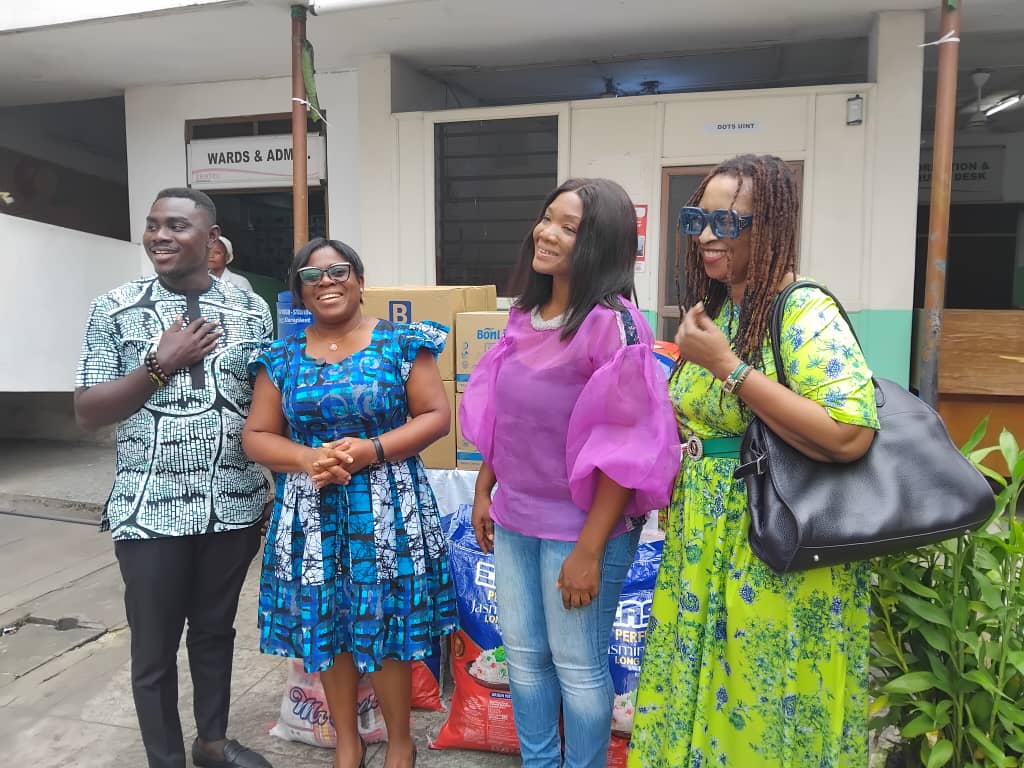
Very Rev Quartey-Papafio noted that Ghana’s First Ladies, both past and present, had played significant roles in supporting national development through social, educational and health interventions targeted at women, girls and children.
Madam Betty Eshun, Coordinator of the Osu Deanery of the Catholic Church Ghana, underscored the importance of skills acquisition as a pathway to economic independence.
She urged the participants to apply the knowledge gained profitably to improve their livelihoods and provide for their families.
The beneficiaries expressed appreciation to the Rebecca Foundation for offering the training free of charge.
Some said they had previously wished to acquire similar skills elsewhere but were unable to do so because of the high cost of training.
In a related development, the Foundation donated food items, including bags of rice, cooking oil and boxes of detergents, to the Rebecca Akufo-Addo Ghana Parent Childhood Cancer Association House at the Korle Bu Teaching Hospital.
The donation is expected to support children living with cancer and their caregivers who are accommodated at the facility.
The Foundation also made a similar donation to the Princess Marie Louise Hospital (PMLH), popularly known as the Children’s Hospital, in Accra.
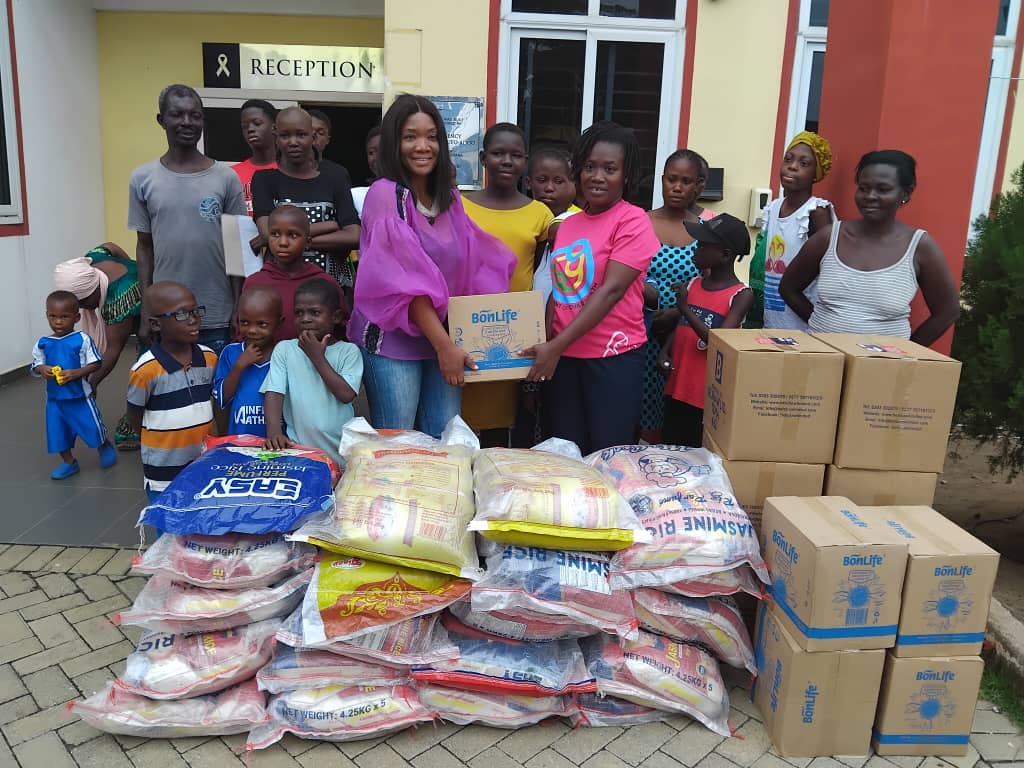
Receiving the items, Dr Margaret Neizer, Head of Clinical Services and Acting Medical Superintendent of PMLH, expressed gratitude to Mrs Akufo-Addo and the Foundation for the gesture.
She said the donation would support feeding programmes for malnourished children both on admission and those living within the communities receiving treatment at the hospital’s Nutritional Rehabilitation Centre.
Dr Neizer explained that severely malnourished children admitted to the facility and others who live in their homes but attend clinic for treatment are provided with three meals daily, while their caregivers also receive meals at no cost.
She noted that the hospital relied heavily on philanthropists, public-spirited individuals and organisations to sustain its community nutrition services for vulnerable children.
GNA
Edited by Lydia Kukua Asamoah