By Hafsa Obeng
Accra, July 25, GNA – Ghana has reaffirmed its commitment to pursuing a coordinated African reparations agenda, with renewed calls for action to address the enduring legacy of slavery and colonialism.
The Government said reparatory justice should be pursued through truth, restoration and human dignity rather than charity.
Mr Ekow Spio-Garbrah, Presidential Special Envoy on Reparations at the Office of the President, made the remarks at the 2026 Emancipation Day wreath-laying ceremony at the Kwame Nkrumah Memorial Park in Accra.
He said remembrance of the transatlantic slave trade must be accompanied by concrete measures to address its lasting economic, social and psychological consequences.
“Today, remembrance is not enough. Memory must inspire action.
“Emancipation is not only about freedom from chains; it is also about freedom from the enduring structures of inequality that those chains created,” he said.
Mr Spio-Garbrah said the reparations movement was “not a demand for sympathy but a principled call for truth, justice, restoration and shared human dignity.”
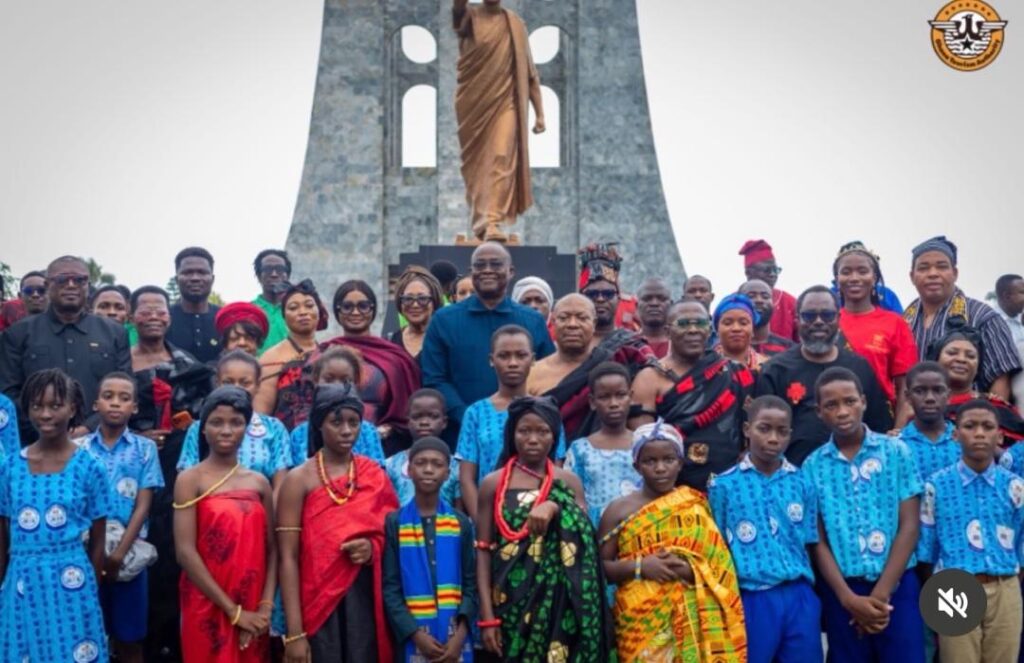
He said Ghana was working with African countries, the African diaspora and international partners to advance an evidence-based reparations agenda aimed at promoting healing, reconciliation and sustainable development.
The Presidential Special Envoy welcomed the adoption of United Nations General Assembly Resolution A/RES/80/250, which, he said, recognised the trafficking and racialised enslavement of Africans as among the gravest crimes against humanity and acknowledged reparations as a step towards addressing those historical injustices.
He called for inclusive dialogue on reparatory justice, including formal apologies, restitution, compensation, rehabilitation, guarantees of non-repetition and the return of African cultural artefacts removed during slavery and colonialism.
Mr Kofi Okyere Darko, Executive Director of the Diaspora Affairs Office at the Office of the President, said the growing international focus on reparative justice provided an opportunity to strengthen Ghana’s engagement with the African diaspora.
“A meaningful relationship requires institutions, policies, economic opportunities, cultural exchange and a clear understanding of our shared history,” he said.
Mr Darko said Ghana’s engagement with the diaspora extended beyond heritage tourism to education, investment, cultural diplomacy and stronger people-to-people ties.
He urged young Africans and members of the diaspora to draw on their shared history to promote economic development, cultural confidence and continental unity.
GNA
Edited by Kenneth Sackey
Reporter: Hafsa Obeng
[email protected]