By James Amoh Junior, GNA
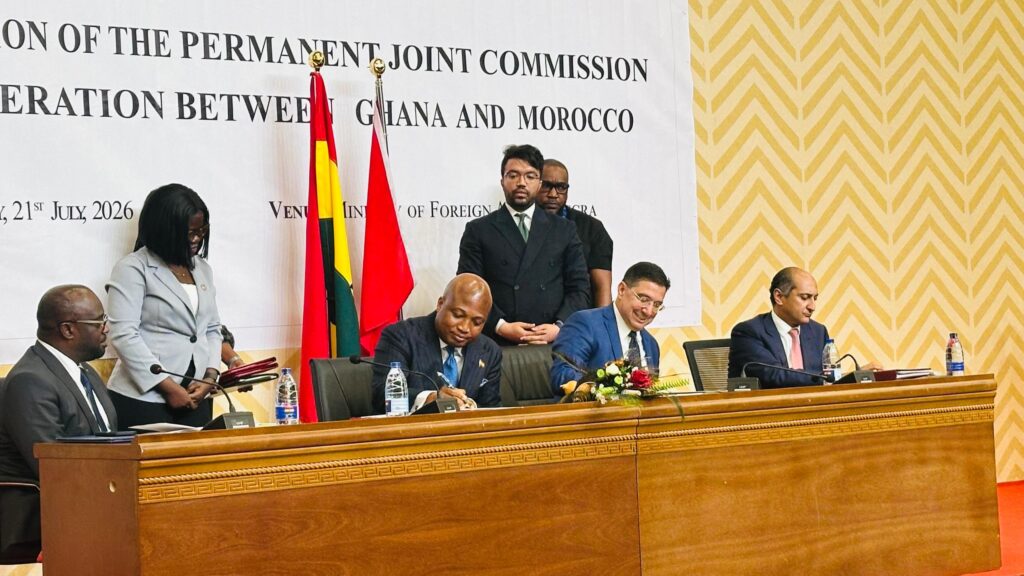
Accra, July 22, GNA – Ghana and Morocco have signed 11 cooperation agreements covering aviation, trade, education, mining, sports and scientific research to strengthen bilateral relations and advance Africa’s economic integration.
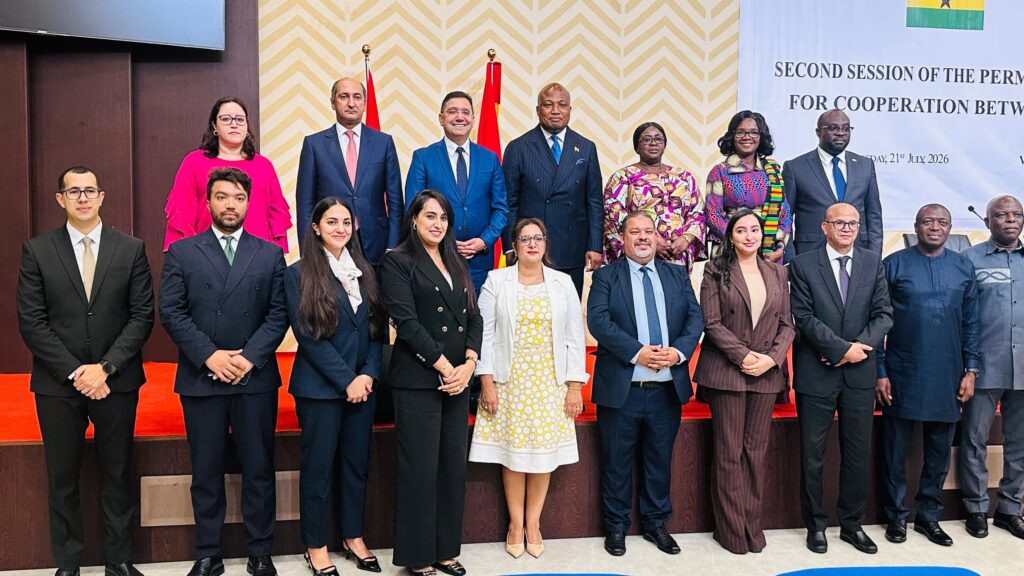
The agreements were signed during the Second Session of the Ghana-Morocco Permanent Joint Commission for Cooperation (PJCC) in Accra, co-chaired by Ghana’s Minister for Foreign Affairs, Mr Samuel Okudzeto Ablakwa, and Morocco’s Minister for Foreign Affairs, African Cooperation and Moroccan Expatriates, Mr Nasser Bourita.
The agreements span air services, customs cooperation, higher education, scientific and technological research, meteorology, standards, mining, diplomatic and vocational training, scholarships, sports and archival management.
They are expected to strengthen institutional collaboration, facilitate trade, promote technology transfer and support human capital development.
Mr Ablakwa said the agreements reflected the commitment of Ghana and Morocco to strengthen institutions, invest in people and expand opportunities for economic cooperation.
He said the two countries remained strategic partners at a time when Africa must deepen intra-African cooperation to build resilient economies and reduce dependence on external markets.
Mr Ablakwa said the Mahama Administration had identified three additional priority areas for future collaboration with Morocco: solar energy development, the Nigeria-Morocco Gas Pipeline Project and pharmaceutical manufacturing.
Ghana sought to draw on Morocco’s experience in renewable energy to increase solar power’s contribution to the national energy mix from the current two per cent to 10 per cent in the short term, he stated.
Ghana also intended to collaborate with Morocco in vaccine and pharmaceutical manufacturing to strengthen Africa’s health sovereignty.
Mr Ablakwa said President John Dramani Mahama had directed officials from both countries to develop practical roadmaps to translate the new areas of cooperation into concrete projects.
He commended the technical experts from Ghana and Morocco for laying a solid foundation for the ministerial meeting through several days of negotiations.
Mr Bourita, for his part, described the agreements as a roadmap for future cooperation rather than an end in themselves, saying their true value would depend on effective implementation.
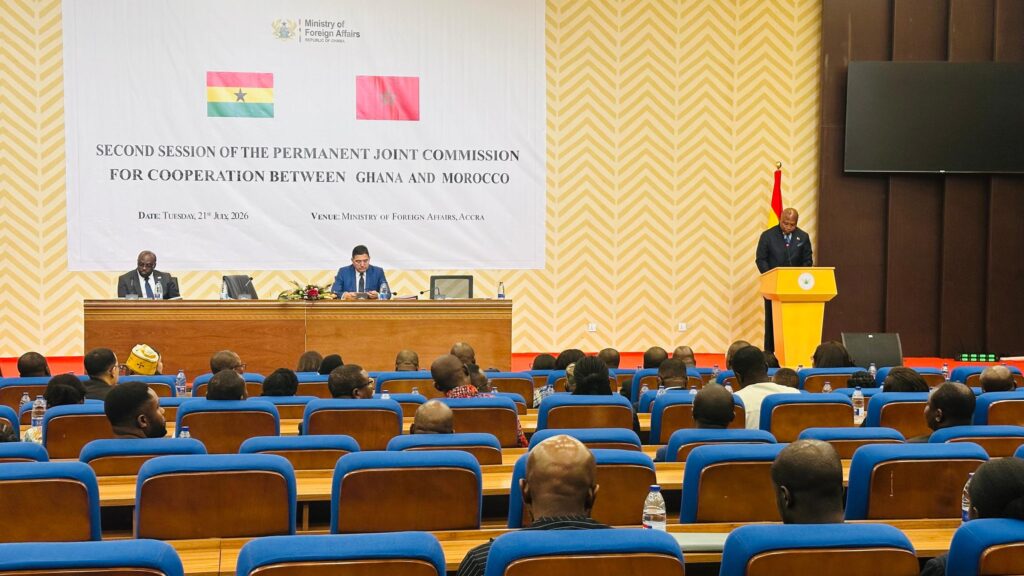
He reaffirmed Morocco’s commitment to expanding cooperation with Ghana in agriculture, food security, fertiliser production, renewable energy, digital transformation, health and investment promotion.
Mr Bourita also called for stronger collaboration between the private sectors of the two countries to unlock investment opportunities and accelerate sustainable economic growth.
Touching on broader continental issues, he said Africa possessed the expertise and resources to address many of its development challenges through stronger South-South cooperation.
Mr Bourita said renewable energy accounted for 42 per cent of Morocco’s energy mix and that the country was working towards increasing the share to 54 per cent by 2030.
Morocco, he said, was ready to share its experience with Ghana as the latter diversified its energy sources.
Mr Bourita described the Nigeria-Morocco Gas Pipeline Project as a strategic regional integration initiative that would improve electricity access, stimulate economic activity and strengthen cooperation among participating countries.
On healthcare, he called for stronger African collaboration to build vaccine manufacturing capacity and reduce the continent’s dependence on external suppliers and regulatory systems.
Genuine health sovereignty required Africa to overcome regulatory barriers and develop its own manufacturing and certification capabilities, he emphasised.
The instruments signed comprise an Air Services Agreement; an Agreement on Mutual Administrative Assistance in Customs Matters; a Memorandum of Understanding (MoU) on Standardisation, Conformity Assessment and Metrology; an MoU on Higher Education, Scientific and Technological Cooperation; an MoU on Collaborative Activities in Meteorology and Climatology; and an MoU on Scientific and Technical Cooperation between Morocco’s Office National des Hydrocarbures et des Mines (ONHYM).
Ghana’s Minerals Commission and the Ghana Geological Survey Authority; an MoU on Diplomatic Training; an Agreement on Cooperation in Vocational Training; a Cooperation Agreement on Academic Scholarships, Internships and the Sharing of Expertise; an MoU on Sports; and an MoU on Archives were also signed.
The session also adopted a Joint Communiqué and the Agreed Minutes of the Commission.
Ghana and Morocco established diplomatic relations on June 3, 1960, and have maintained cordial relations founded on Pan-African solidarity, mutual respect and shared aspirations for continental development.
Bilateral relations gained renewed momentum following the first session of the PJCC in Rabat in February 2015 and the State Visit of King Mohammed VI to Ghana in February 2017, during which several cooperation agreements were signed.
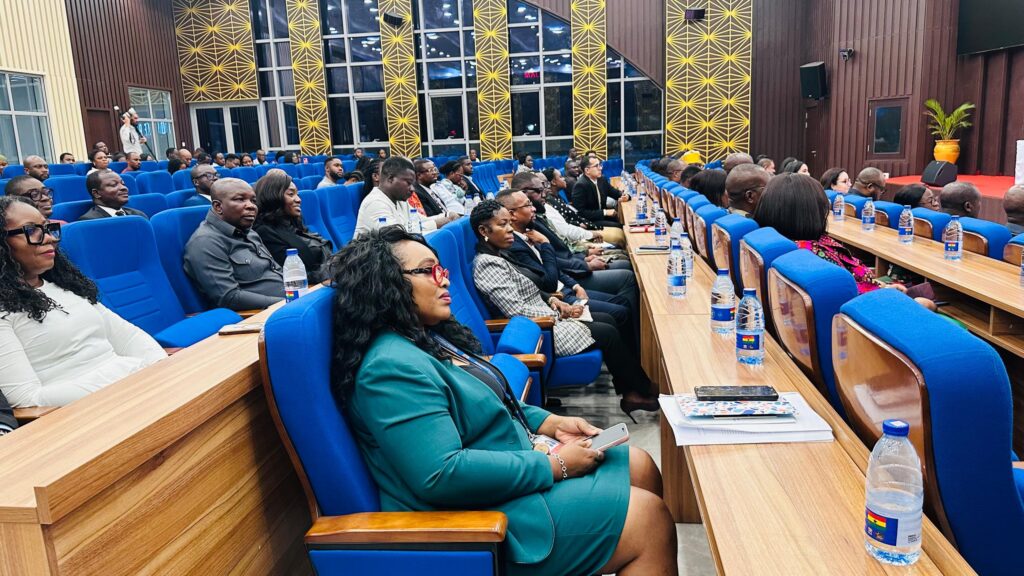
The second session of the PJCC was the first ministerial meeting under the framework since the inaugural session in Rabat in 2015.
Over the years, Morocco has supported Ghana through fertiliser donations, increased scholarships for Ghanaian students and investments in banking, construction, agriculture and retail.
Ghana, in turn, continues to leverage its position as host of the African Continental Free Trade Area Secretariat to deepen trade and investment partnerships across the continent.
GNA
Reporter: James Amoh Junior
Email: [email protected]
Edited by Beatric Asamani Savage