By J. K. Nabary, GNA
Mankessim (C/R), July 13, GNA – The Ghana Anti-Corruption Coalition (GACC) has urged young people to stand up, resist, reject and report all forms of corruption to the appropriate authorities.
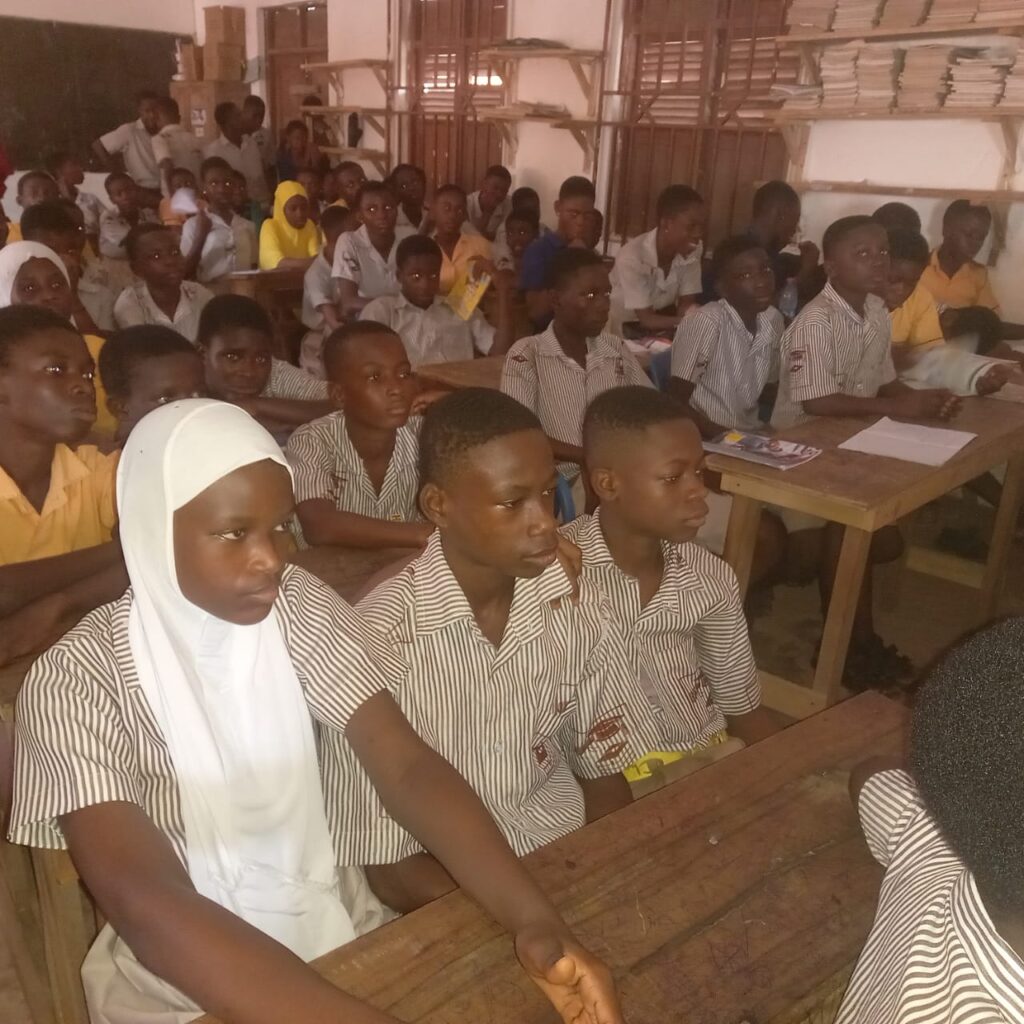
Very Rev. Prof. Mark Nii Lamptey, an Anti-Corruption Ambassador and Campaigner of the GACC, made the call during separate engagements with students of Edumadze M/A A.I. Basic School and All Souls Anglican Basic School at Mankessim to commemorate this year’s African Anti-Corruption Day (AACD).
The African Anti-Corruption Day is observed annually on July 11 to promote integrity and strengthen the fight against corruption across the continent.
This year’s celebration was on the theme: “Scaling Up the Promotion of Integrity and Anti-Corruption Actions Across Africa,” calling for renewed efforts to build a culture of integrity, transparency and accountability.
The GACC initiative sought to provide young people with a platform to discuss corruption and integrity, share their experiences, and explore ways of promoting integrity in their schools and communities.
Activities marking the day included school sensitisation sessions on corruption and integrity, interactive open forum discussions with students, and story harvesting to document students’ experiences to help foster positive changes in knowledge and attitudes.
The programme was organised by the GACC and the Mfantseman Local Accountability Network (LANet), in partnership with the Lamanconsult Foundation, with support from the William and Flora Hewlett Foundation.
Participants freely shared their understanding of corruption, its effects on schools and communities, the meaning of integrity, and the role young people could play in promoting integrity and combating corruption.
Following the discussions, facilitators used GACC presentation materials to summarise the key issues raised, clarify misconceptions, and reinforce messages on corruption, integrity and accountability.
Very Rev. Prof. Lamptey, who was the lead facilitator, said corruption remained a major obstacle to Ghana’s development, with its effects evident in inadequate healthcare facilities, poor roads and other socio-economic challenges across the African continent.
He cited abuse of entrusted power for personal gain, examination malpractice, teachers awarding grades in exchange for gifts, bribery, fraud, embezzlement, nepotism, extortion and conflict of interest as examples of corruption.
He urged the students to be law-abiding, uphold their integrity and report all forms of corruption to the appropriate authorities through the Office of the Special Prosecutor’s toll-free number, 0800-000-700, or via email at [email protected].
Very Rev. Prof. Lamptey, who is also the Founder and Chief Executive Officer of the Lamanconsult Foundation, expressed appreciation to the GACC for the partnership and support in empowering young people to discuss corruption and integrity. He also thanked the William and Flora Hewlett Foundation for sponsoring the initiative.
“Let us unite in our efforts to foster a more transparent and accountable society and collectively renew our commitment to the principles of transparency, accountability and integrity,” he said.
“We can build a corruption-free society where public trust is upheld and democratic principles remain steadfast,” he added.
The Headmaster of Edumadze M/A A.I. Basic School, Mr Samuel Amoah, and the Headmaster of All Souls Anglican Basic School described the theme as timely, considering the extent to which corruption continued to affect the provision of resources to schools and communities.
They said the theme, “Scaling Up the Promotion of Integrity and Anti-Corruption Actions Across Africa,” could not have come at a better time.
The Central Regional Director of Education, Mrs Juliette Dufie Otami (PhD), and the Mfantseman Municipal Director of Education, Mr Ransford Appiah, also expressed confidence that the sensitisation would inspire learners to shun corrupt practices wherever they found themselves and encourage them to boldly report all forms of corruption to the appropriate authorities.
GNA
Edited by Alice Tettey/Audrey Dekalu