By Lydia Kukua Asamoah
Accra, July 13, GNA – Stakeholders in the Water, Energy and Food (WEF) sectors from Ghana and Burkina Faso have met in Accra under the EPIC Africa Project to discuss sustainable governance of the Volta Basin to ensure continued energy generation, food production and water security for communities that depend on the resource.
The EPIC Africa Project is a European Union-funded research initiative focused on developing sustainable WEF pathways to address climate change, food security and energy access in sub-Saharan Africa.
The meeting, dubbed the Second National Stakeholder Workshop on the Water-Energy-Food Nexus, also attracted participants from Kenya, the Netherlands, Sweden and Belgium.
It provided a platform for stakeholders to explore strategies for sustaining the Volta Basin for the benefit of present and future generations.
Representatives from institutions including the Bui Power Authority, National Development Planning Commission, Volta Basin Authority, International Water Management Institute, Water Resources Commission, and partner organisations from Ghana and Burkina Faso attended the workshop.
Researchers from Delft University of Technology (TU Delft) in the Netherlands also participated in discussions aimed at strengthening scientific knowledge and collaboration within the consortium.
The three-day workshop was organised by the University of Energy and Natural Resources (UENR) in collaboration with TU Delft.
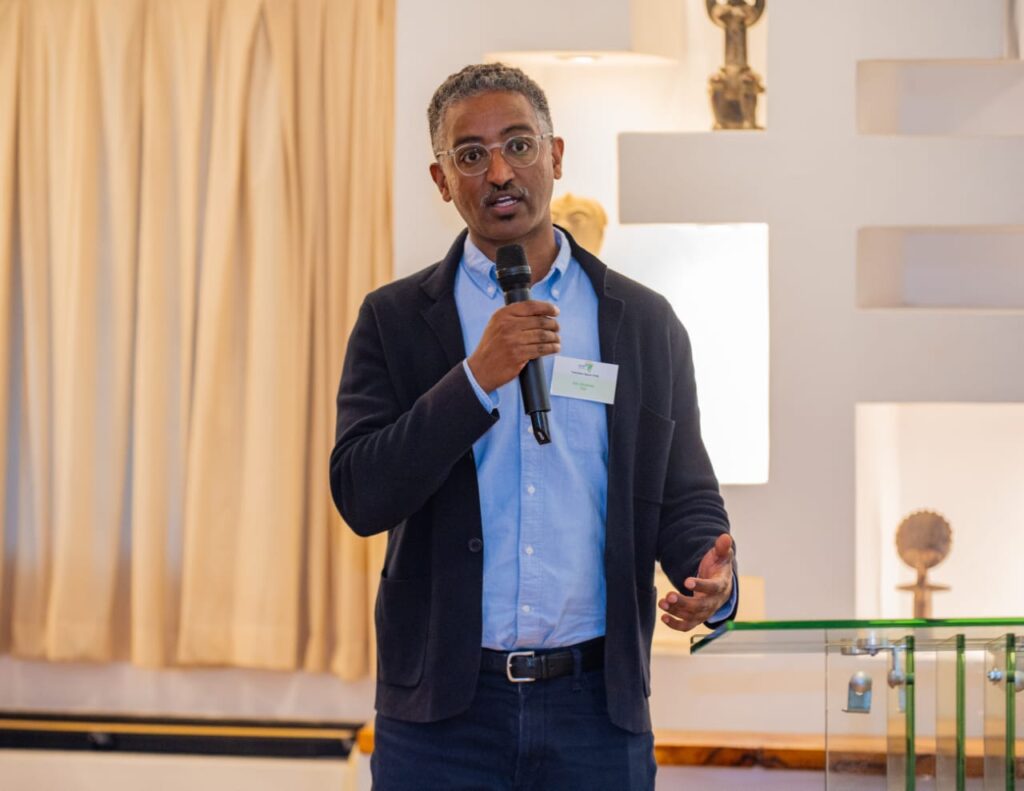
Dr Edo Abraham, Coordinator of EPIC Africa Project and Head of the Water Systems Engineering Section at TU Delft, said the workshop sought to enhance engagement with institutions and stakeholders involved in policy-making and long-term infrastructure planning in the water, agriculture, energy and environmental sectors.
He explained that EPIC Africa adopts an innovative approach to infrastructure planning by allowing citizens to contribute directly to the development of future infrastructure visions.
According to him, the project creates a “transition space” where stakeholders discuss community values and aspirations to inform infrastructure decisions and policy formulation.
Dr Abraham said the project’s case study countries are Ghana, Burkina Faso and Kenya, with a focus on the Volta and Tana river basins.
He noted that discussions centred on issues such as hydropower, wind and solar energy development, irrigation infrastructure and agricultural production systems that could support sustainable development.
“The work of EPIC deals with that subject – of long term infrastructural transitions that are sustainable and legitimate that people want, looking towards the Agenda 2063 of the Africa we want, and scale down to the Ghana we want and to the Volta basin we want, and what kind of future do we have.
“So EPIC Africa works with this kind of dialogue, processes, visions and also engineering methods, and modeling approach to taking economic optimisation of investment and infrastructure that are driven by local visions and values.”
He added that the Volta Basin was selected as a case study on the recommendation of Ghanaian partners because of its strategic importance to Ghana and the wider West African sub-region.
“The basin supports hydropower generation, drinking water supply, irrigation, industry, fisheries, transportation and livelihoods. It is also a shared water resource among several West African countries, making equitable and sustainable management essential,” he said.
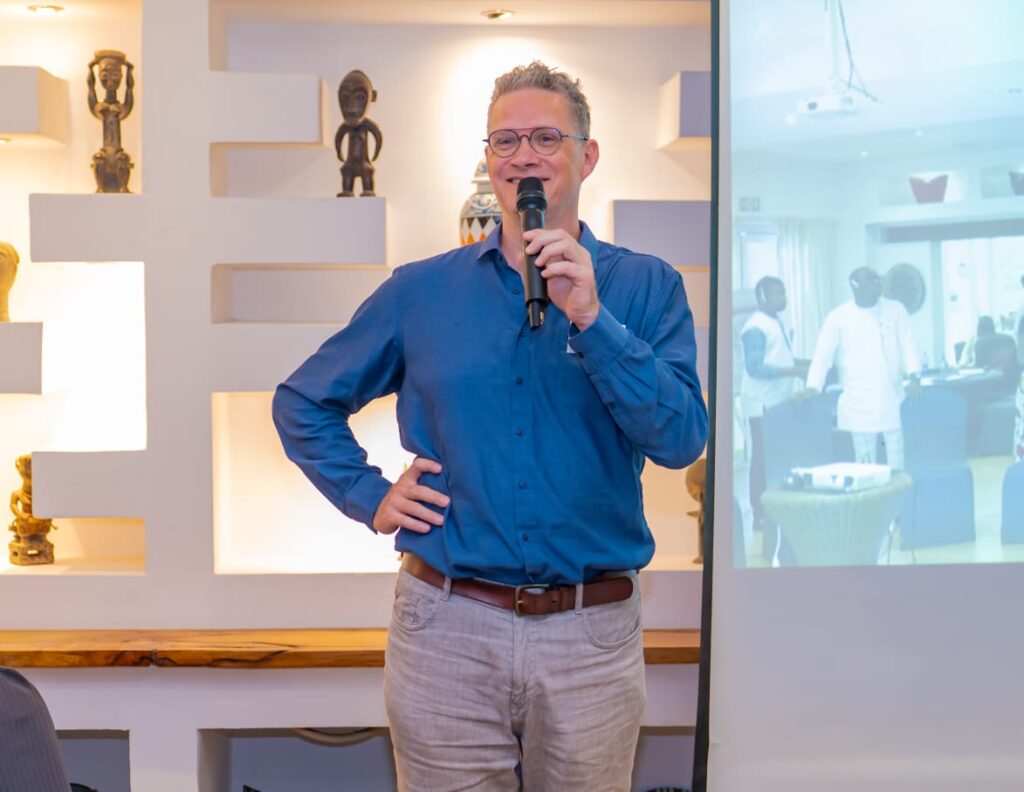
Dr Yves De Weerdt, Research Coordinator, Transition Space at VITO Nexus in Belgium, said the discussions were aligned with the Sustainable Development Goals (SDGs), particularly those relating to food, water and energy security.
He explained that EPIC Africa combines stakeholder dialogue, infrastructure planning, policy analysis, environmental considerations and social justice concerns to promote efficient and equitable resource management.
“Our models in EPIC Africa allow us to represent such choices and visions of people in Ghana and analyse them spatially- like where should you build a new solar utility, where should you build a transformer station and battery storage system and how much will that cost, how do you trade off, where are the urban centres going to grow the most, and therefore how do you use sequence infrastructure decisions?”
Dr De Weerdt noted that scientific modelling should be grounded in local aspirations and supported by governance frameworks that enable effective policy implementation.
He stressed that the process was participatory and driven by citizens’ visions rather than top-down decision-making.
Reverend Professor Eric Ofosu Antwi of UENR and Lead of the EPIC Africa Project at the University, said the Volta Basin remained a critical resource for Ghana, Burkina Faso, Togo, Côte d’Ivoire and Benin.
He noted that Ghana and Burkina Faso account for the largest share of the basin’s land area and therefore have a significant responsibility in ensuring its sustainable management.
He emphasised on the need for comprehensive long-term national planning that is based on the needs and aspirations of citizens, saying the EPIC Africa Project, was helping attain that goal.
Prof Ofosu Antwi said the Accra workshop enabled stakeholders to develop future-oriented models that considered both the opportunities and limitations of the basin and their implications for livelihoods across the region.
He explained that UENR had established the EPIC Africa Network to promote collaboration among researchers and practitioners and to ensure that project outcomes supported national development priorities.
He urged policymakers and political leaders to prioritise national development plans over partisan political agendas to ensure sustainable progress.
Dr Felix Amankwah Diawuo, Head of the Renewable Energy Engineering Department at UENR, said the project’s transition spaces had over the past four years enabled participants to share ideas on the future of water, energy and food systems.
He said participants at the workshop developed and refined visions for the future of the Volta Basin and would share the outcomes with policymakers and governments to support the implementation of African Union Agenda 2063.
GNA
Edited by Benjamin Mensah