By Linda Naa Deide Aryeetey
Rio de Janeiro, July 28, GNA – Global leaders have called for renewed political commitment, sustainable financing and equitable access to HIV innovations to keep the goal of ending AIDS by 2030 on track.
The appeal was made at the opening of the 26th International AIDS Conference (AIDS 2026) in Rio de Janeiro, Brazil, where more than 7,000 delegates are meeting under the theme: “Rethink. Rebuild. Rise.”
Speakers at the opening ceremony warned that declining international funding, widening inequalities, shrinking civic space and discrimination against populations most affected by HIV were threatening progress made in the global response.

Opening the conference, Professor Beatriz Grinsztejn, President of the International AIDS Society (IAS), said Brazil’s hosting of the conference demonstrated the importance of political leadership and universal healthcare in improving public health outcomes.
She said scientific advances had transformed HIV from a fatal disease into a manageable chronic condition, but access to treatment remained uneven because of political and financial decisions.
“Almost nine million people are still not accessing life-saving treatment, because of political
choices, financing failures and the grinding force of stigma and discrimination that no science can dismantle alone,” she said.
Prof. Grinsztejn said 2026 marked 30 years since the introduction of highly active antiretroviral therapy (HAART) and 15 years since research established that people living with HIV who achieve and maintain an undetectable viral load cannot sexually transmit the virus under the principle known as Undetectable = Untransmutable (U=U).
She said long-acting injectable medicines and the prospect of once-weekly oral HIV treatment offered significant opportunities to reduce new infections if made universally accessible.
Prof. Grinsztejn called for debt restructuring, increased domestic investment in health and stronger international solidarity to enable countries with high HIV burdens to sustain their response programmes.
She also expressed concern over political divisions among Member States during the recent United Nations High-Level Meeting on HIV.
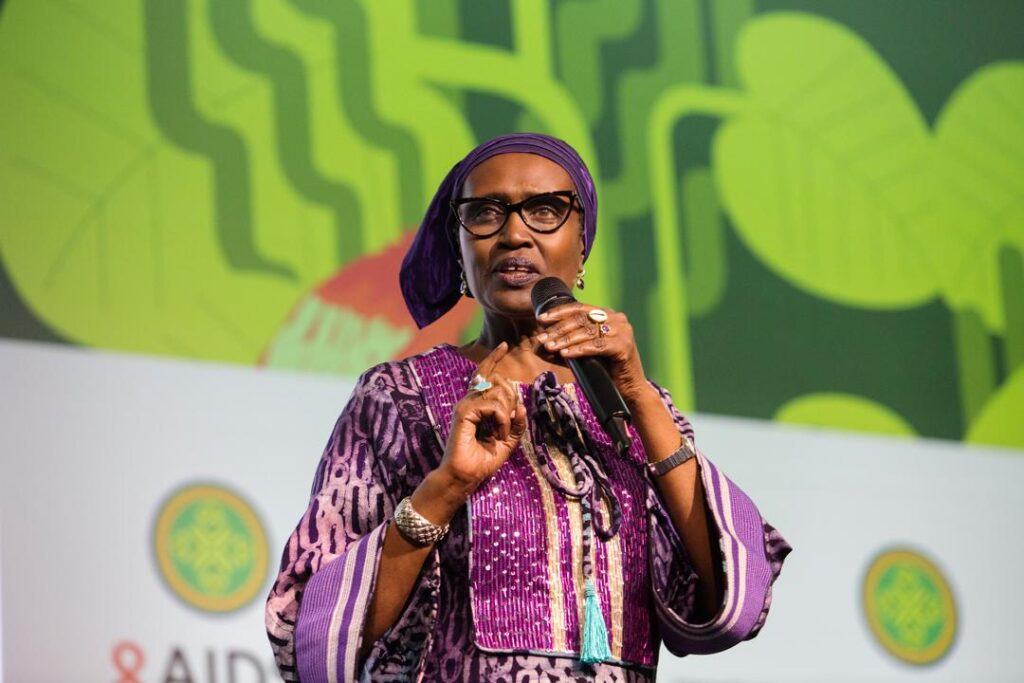
Ms Winnie Byanyima, Executive Director of the Joint United Nations Programme on HIV/AIDS (UNAIDS), said the global HIV response must continue to be guided by science, human rights and social justice.
“Progress has always been driven by communities demanding justice,” she said.
Ms Byanyima warned that increasing criminalisation of key populations and discrimination against marginalised communities were disrupting HIV services in some countries and
discouraging access to testing, prevention and treatment.
Ms Byanyima also expressed concern over delays in making long-acting HIV prevention medicines widely available despite evidence of their effectiveness.
“Science has delivered. The world must now deliver access,” she said.
Ms Byanyima said international HIV financing declined by more than US$1.5 billion last year, representing an 18 per cent reduction, and called for reforms to the international financial system, including fairer taxation policies, debt relief and increased domestic investment in health.
Dr Tedros Adhanom Ghebreyesus, Director-General of the World Health Organization (WHO), said scientific advances must be matched by political leadership and community engagement to sustain progress against HIV.
He said although new HIV infections and AIDS-related deaths had declined significantly since 2010, funding reductions, conflicts and humanitarian emergencies continued to threaten global gains.
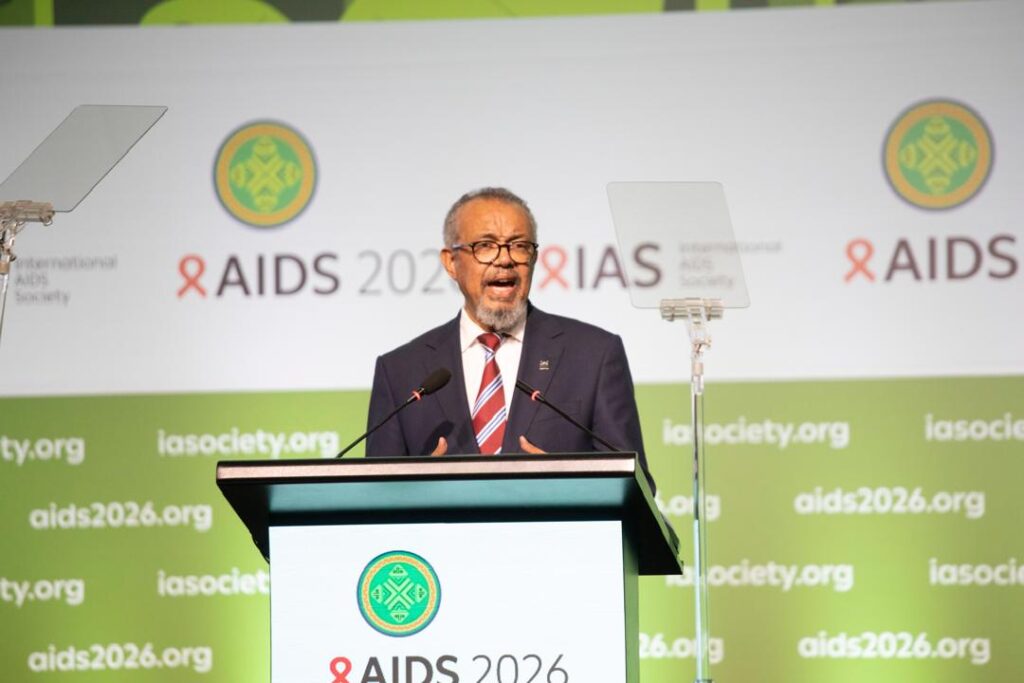
Dr Tedros announced new WHO guidance to support countries in integrating HIV services into stronger, people-centred primary healthcare systems and reaffirmed the Organisation’s commitment to expanding access to long-acting HIV prevention and treatment options, improved diagnostics and stronger disease surveillance.
He urged governments to protect funding for community organisations, repeal discriminatory laws that hinder access to healthcare and strengthen partnerships that place affected
communities at the center of decision-making.
The conference, which ends on August 1, is expected to present new scientific findings on HIV prevention, treatment and cure research, while examining financing, policy and human rights issues affecting the global HIV response.
GNA
Edited by Kenneth Sackey
28 July 2026
Reporter: Linda Naa Deide Aryeetey
Email: [email protected]