By Yussif Ibrahim
Kumasi, May 14, GNA – Otumfuo Osei Tutu II, the Asantehene, has called for a deliberate national commitment to local procurement and industrial transformation to reposition Ghana’s textile, garment and apparel industry as a major driver of economic growth, job creation and national identity.
The Asantehene said Ghana possessed the creativity, skills and cultural heritage needed to build a globally competitive textile industry capable of reducing unemployment, strengthening local manufacturing and expanding exports across Africa and beyond.
He observed that despite Ghana’s rich textile traditions and strong artisanal base, the country continued to spend huge sums importing textiles, garments and apparel that could be produced locally.
“A nation cannot aspire to industrial greatness while neglecting industries that possess the power to employ its people, preserve its heritage and stimulate domestic production,” he stated.
Otumfuo Osei Tutu II made the call in a speech read on his behalf by Nana Addae Gyamera I, Feyiasehene, at a National Dialogue on Local Procurement Policy on Apparel, Garment and Textiles held in Kumasi.
The dialogue was organised by the Association of Ghana Apparel Manufacturers (AGAM) to accelerate the adoption of a “Buy Ghana” policy aimed at creating jobs, increasing local manufacturing capacity and reducing dependence on imports.
The Asantehene described Kumasi as a stronghold of Ghana’s culture and heritage, saying culture in Asanteman was not merely ceremonial but an essential part of everyday life and a strategic economic asset.
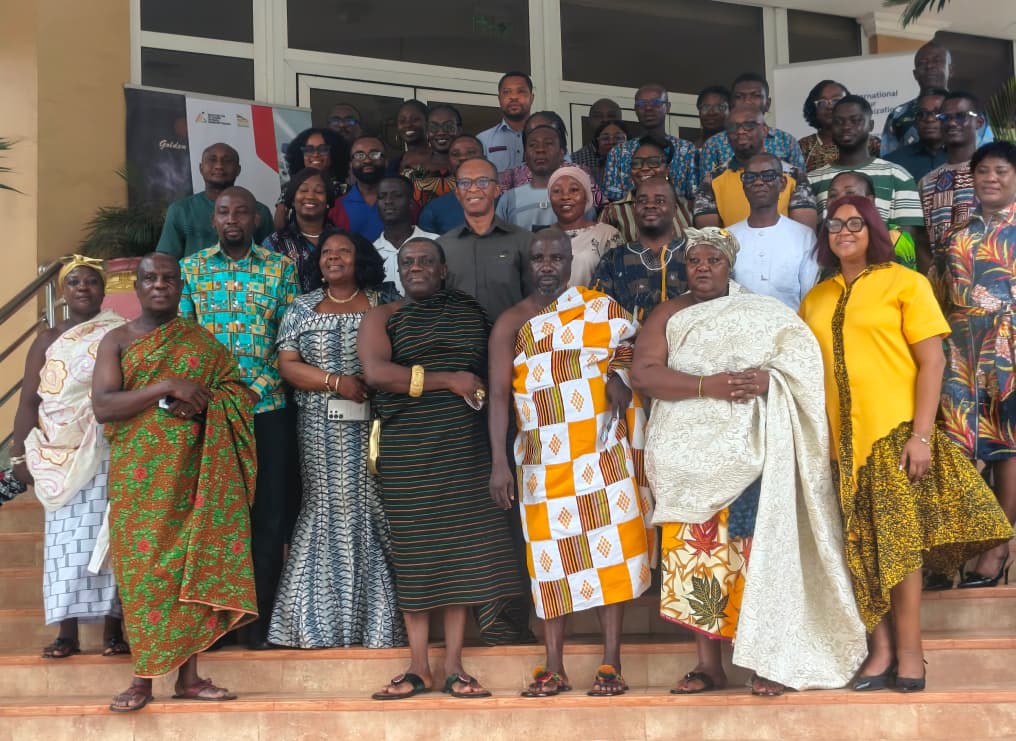
He stressed that Ghana’s textile industry represented more than fabric production, noting that it embodied identity, philosophy, prestige and national pride.
“For decades, Ghana has stood as a beacon of textile excellence and artistic sophistication,” he said.
Touching on the economic importance of the sector, Otumfuo said the textile and apparel value chain had the potential to absorb thousands of skilled and semi-skilled youth while empowering women and supporting entrepreneurship.
According to him, the industry created opportunities for cotton farmers, weavers, designers, tailors, printers, factory workers, retailers and exporters.
“Indeed, a single garment factory can generate hundreds, sometimes thousands, of direct and indirect jobs,” he indicated.
The Asantehene said no country had achieved industrial transformation by continuously importing products it had the capacity to produce locally.
He therefore urged policymakers and stakeholders to move beyond rhetoric and intentionally implement policies that prioritised local manufacturers and supported industrial growth.
He cited the Public Procurement Act and the Ghana Industrial Transformation Agenda as important frameworks that could help promote local participation and industrial expansion if properly enforced.
Otumfuo further highlighted the opportunities presented by the African Continental Free Trade Area (AfCFTA), saying Ghanaian businesses, including small-scale garment producers, could access larger continental and global markets if they met the required standards and quality expectations.
He, however, expressed concern about the growing preference for imported products over locally manufactured goods, describing it as a mindset challenge that needed urgent change.
“We must stop viewing locally manufactured products as substitutes of necessity and begin recognising them as emblems of national excellence and economic patriotism,” he stated.
The Asantehene called for stronger enforcement against counterfeit imports and unfair trade practices, increased access to affordable financing, technology transfer, skills development and investments in industrial infrastructure to support the growth of the sector.
He also encouraged journalists and advocacy institutions to champion the “Buy Ghana” agenda and promote locally manufactured products.
Otumfuo reaffirmed his commitment to initiatives that promoted culture-driven industrialisation and sustainable economic transformation, saying Ghana’s cultural identity could become a powerful tool for economic prosperity if properly harnessed.
GNA
Edited by Kenneth Odeng Adade
Reporter: Yussif Ibrahim
Email: [email protected]