By Michael Foli Jackidy
Ho (V/R), May 19, GNA-Dr John Kwabena Kwakye, Advisor to the Governor of the Bank of Ghana, has urged accountants to embrace Artificial Intelligence (AI), integrity and accountability as essential tools for building strong and sustainable economies.
Speaking as Guest of Honour at the opening ceremony of the 2026 Annual Conference of the Institute of Chartered Accountants, Ghana (ICAG) in Ho, Dr Kwakye said globalisation and rapid technological advancement were reshaping both the global economy and the accounting profession.
He noted that economies across the world had become increasingly interconnected and sensitive to developments in global financial markets, making the role of accountants more critical in safeguarding economic stability.
According to him, while concerns remain about automation replacing professionals, the real threat lies in failing to adapt to technological change.
“AI will not replace accountants, but accountants who leverage AI will replace those who do not,” he stated.
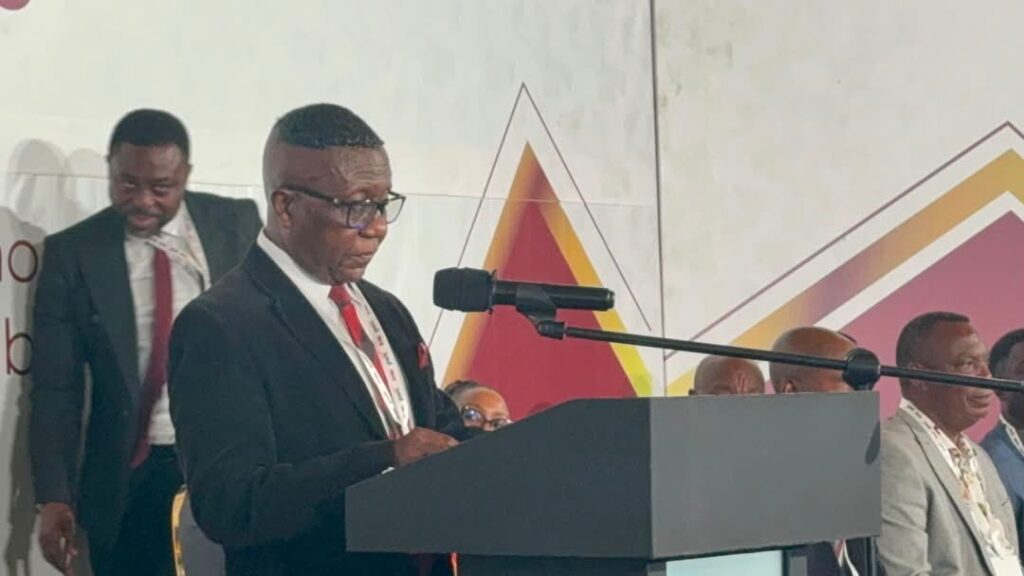
Dr Kwakye explained that AI-driven systems, predictive analytics and automated compliance tools were transforming accountants from traditional record keepers into strategic professionals capable of identifying risks, improving decision-making and detecting fraud in real time.
He said the use of advanced technologies would strengthen transparency, improve efficiency and support Ghana’s efforts to build a digitally resilient and competitive economy.
The Bank of Ghana Advisor, however, cautioned that technology alone could not guarantee sustainable growth without strong ethical standards and accountability.
“Integrity is the human algorithm that ensures growth remains inclusive, transparent and accountable,” he said.
He stressed that the signature of an accountant on a financial statement must continue to represent trust, credibility and professional responsibility.
Dr Kwakye described integrity and accountability as key pillars for fiscal discipline, investor confidence and long-term economic sustainability.
According to him, weak oversight systems and poor accountability often create opportunities for corruption, illicit financial flows and the diversion of public resources away from critical sectors such as healthcare, education and infrastructure.
He observed that countries with strong governance systems and transparent institutions were more likely to attract foreign direct investment and maintain stable economies.
Dr Kwakye cited countries including Norway, Singapore, Mauritius, Botswana and Rwanda as examples of nations that had built resilient economies through ethical governance, transparency and prudent financial management.
He also highlighted the growing importance of sustainability reporting standards such as IFRS S1 and IFRS S2, noting that they were becoming critical requirements for accessing international investment and strengthening corporate governance.
The Advisor called on accountants to uphold professional ethics, strengthen anti-corruption efforts, and support reforms that promote transparency and accountability in both public and private institutions.
“As accountants, you are not merely number crunchers; you are architects of economic resilience and guardians of financial integrity,” he stated.
Dr Kwakye urged members of the profession to choose ethical leadership over personal gain and contribute meaningfully towards building a stronger, transparent and sustainable Ghanaian economy.
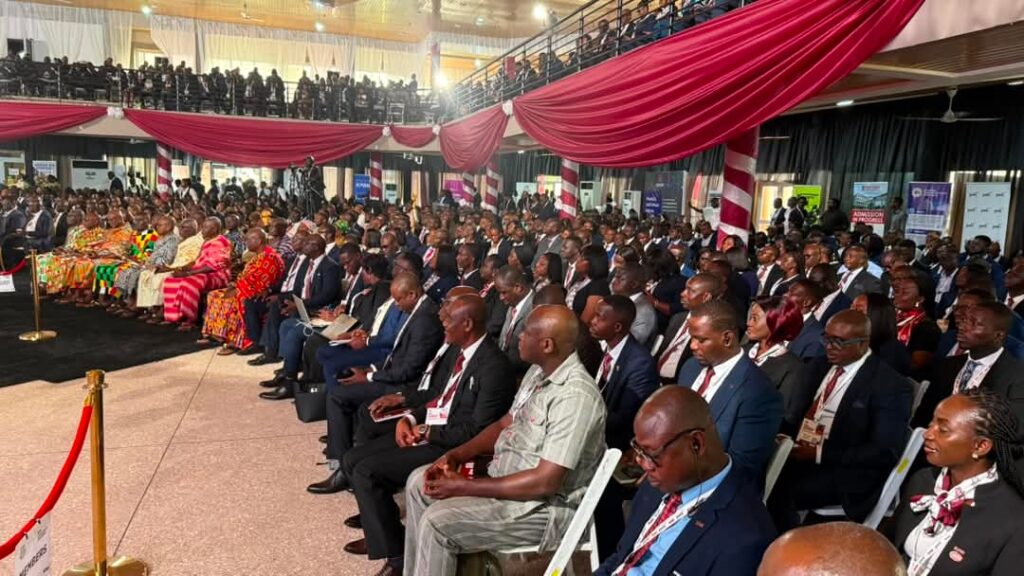
The conference, which brought together accountants, auditors, policymakers, academics, regulators and international partners, was held on the theme: “Building Strong and Sustainable Economies: Standards, Integrity and Accountability.”
GNA
Edited by Maxwell Awumah/Benjamin Mensah