By James Amoh Junior, GNA
Accra, May 11, GNA – Ghana Water Limited (GWL) has intensified efforts to repair aging transmission pipelines from the Kpong Water Treatment Plant to curb massive water losses that continue to affect supply to residents in Tema and parts of Accra East.
The intervention forms part of measures by the company to reduce non-revenue water, improve operational efficiency and stabilise water supply to heavily populated urban communities.
Mr Adam Mutawakilu, Managing Director of GWL, disclosed this during an inspection visit to sections of Kpong transmission line and the company’s Central Workshop where new replacement pipes are being fabricated for installation.
He said investigations conducted by the new management after taking office revealed that water theft and leakages on major transmission lines were the two principal causes of the country’s high non-revenue water levels.
According to him, GWL’s 2024 financial statement recorded non-revenue water at 52.2 per cent, meaning more than half of the water produced could not be accounted for due to leakages, illegal connections and unmetered usage.
“That triggered us as a new management to investigate exactly what is causing the water losses,” he said.
Mr Mutawakilu explained that the situation was particularly severe in the Tema and Accra West operational regions, where investigations identified extensive leakages on the over 70-year-old 21-inch steel transmission line transporting treated water from Kpong to Tema.
He said the deteriorating condition of the pipelines had significantly reduced the volume of water reaching consumers.
“From the assessment we did, almost about 40 per cent of the water produced from Kpong gets lost through leakages before it reaches Tema,” he stated.
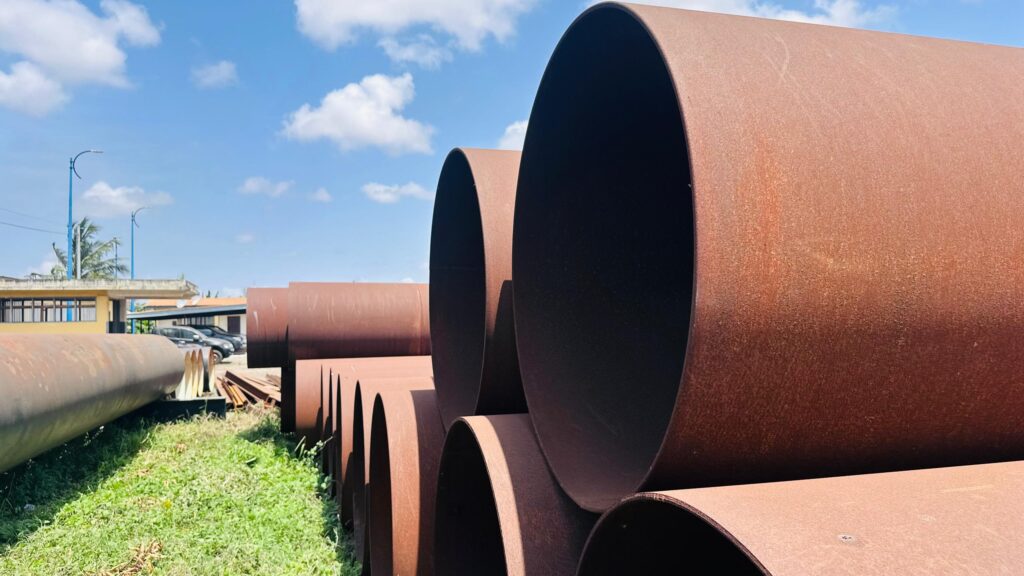
The leakages, he noted, had persisted for several years due to delayed maintenance and inadequate investment in replacing weak sections of the pipelines.
He said the current repair works involved fabricating and replacing damaged sections of 21-inch and 42-inch transmission pipes at the GWL Central Workshop.
The Managing Director said about GH₵5 million had already been spent on fabrication works, with additional funds expected to be released to accelerate the repairs.
He expressed optimism that all critical repair works would be completed within three months to restore pipeline integrity and reduce water losses.
“We are fighting to ensure that we reduce non-revenue water to the minimum,” he said, adding that improved pipeline conditions would also support ongoing efforts to replace all five pumps at the Kpong Water Treatment Plant.
Mr Mutawakilu explained that once the new pumps became operational later this year, water pressure in the system would increase significantly, making it necessary to ensure that the transmission pipelines were strong enough to withstand the pressure without developing further leakages.
The Central Workshop, which is undertaking the fabrication works, serves as GWL’s engineering and maintenance hub.
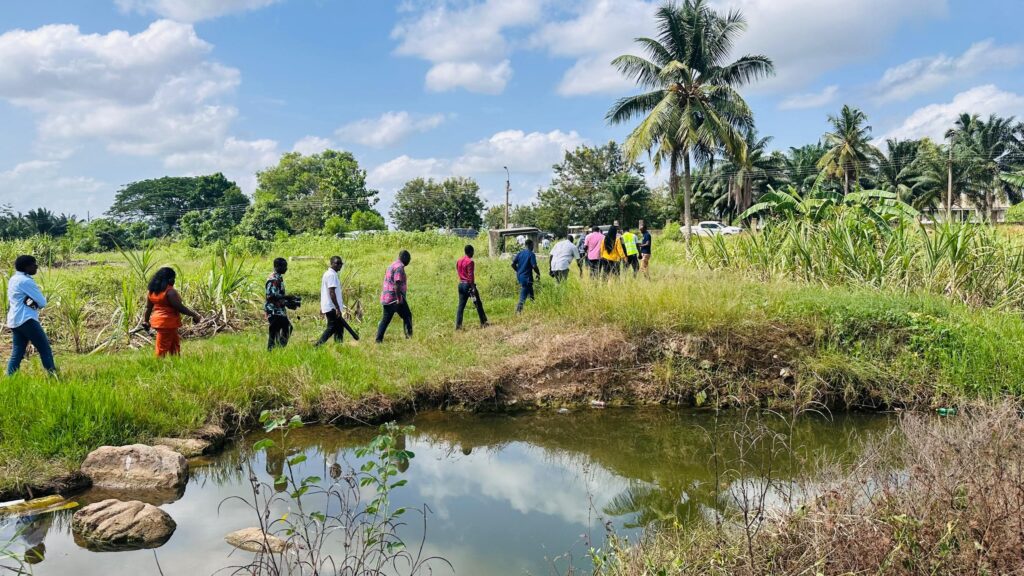
The facility is capable of pipe rolling, fabrication of specialised pipe fittings, pump refurbishment and emergency maintenance works.
The workshop is currently fabricating 180 metres of 21-inch pipes and 162 metres of 42-inch pipes for replacement along the affected transmission corridor.
Due to financial constraints, GWL could not immediately replace the entire aging transmission network and was therefore prioritising the most vulnerable sections while carrying out continuous repairs on leaking portions.
Mr Mutawakilu said although some regions had recorded improvements in reducing non-revenue water, the situation in Tema and Accra West continued to distort the national average because of the high population density and water demand in those areas.
He said while GWL achieved a reduction to about 45.5 per cent non-revenue water in January and February this year, the figure rose again to about 51 per cent in March largely due to losses recorded in Tema and Accra West.
Beyond physical leakages, GWL is also intensifying a nationwide crackdown on illegal water connections and meter bypasses.
Mr Mutawakilu said the company established a Revenue Enhancement Team in August 2025 to tackle water theft and improve revenue mobilisation.
He said the team, which initially started with three units before being expanded to 10 in January this year, had uncovered nearly 400 illegal connections in Accra alone.
“As of last Friday, we had identified about 397 illegal connections,” he disclosed.
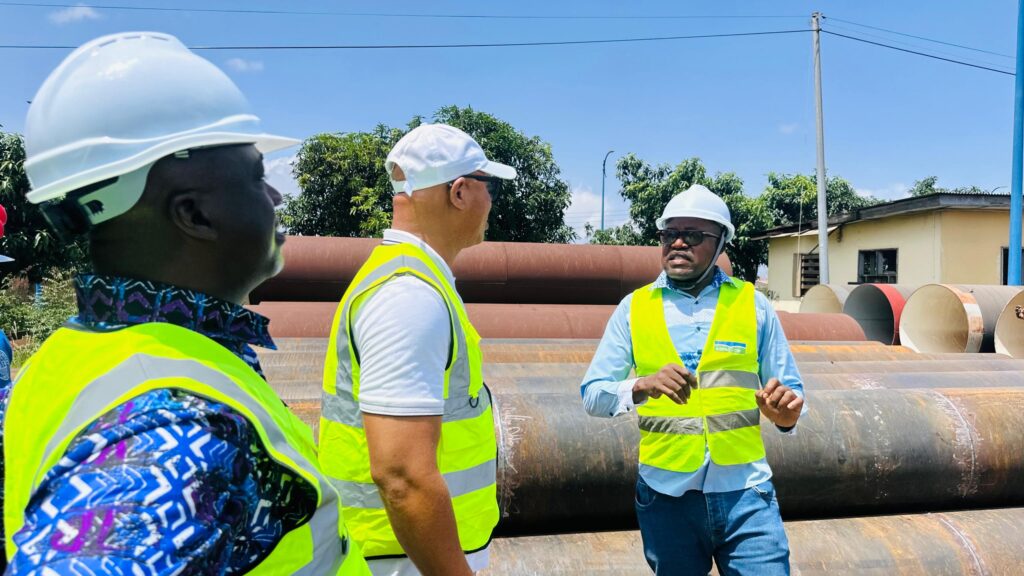
The operation, being undertaken with support from National Security, has so far helped the company recover about GH₵3.7 million out of approximately GH₵16 million in accrued liabilities from illegal users.
Customers found culpable are required to settle outstanding bills or face prosecution and disconnection from the water supply network.
Mr Mutawakilu stressed that the measures formed part of GWL’s broader commitment to improving potable water delivery under the Government’s reset agenda.
He dismissed suggestions that the company was drifting from its core mandate, insisting that management remained focused on expanding and sustaining reliable urban water supply across the country.
“We are on course to achieving our core mandate of providing potable water to the urban communities of Ghana,” he said.
GNA
Edited b George-Ramsey Benamba
Reporter: [email protected]