By Prince Acquah
GNA Special Correspondent, Casablanca
Casablanca, May 4 (GNA) – The GITEX Future Health Africa conference has officially opened in Casablanca, Morocco, challenging African countries to reengineer their health systems and policies to accommodate emerging technologies.
Morocco’s Minister of Health and Social Protection, Mr Amine Tahraoui, stated that artificial intelligence (AI), telemedicine, and other innovations are rapidly transforming healthcare globally. He urged African governments and policymakers to increase investment in digital technologies to keep pace with these changes.
The three-day conference is being held under the theme: “Digitising Africa’s Healthcare Future: Essential Care Advancing with AI.” It features scientific conferences, specialised workshops, exhibitions, and innovation spaces.
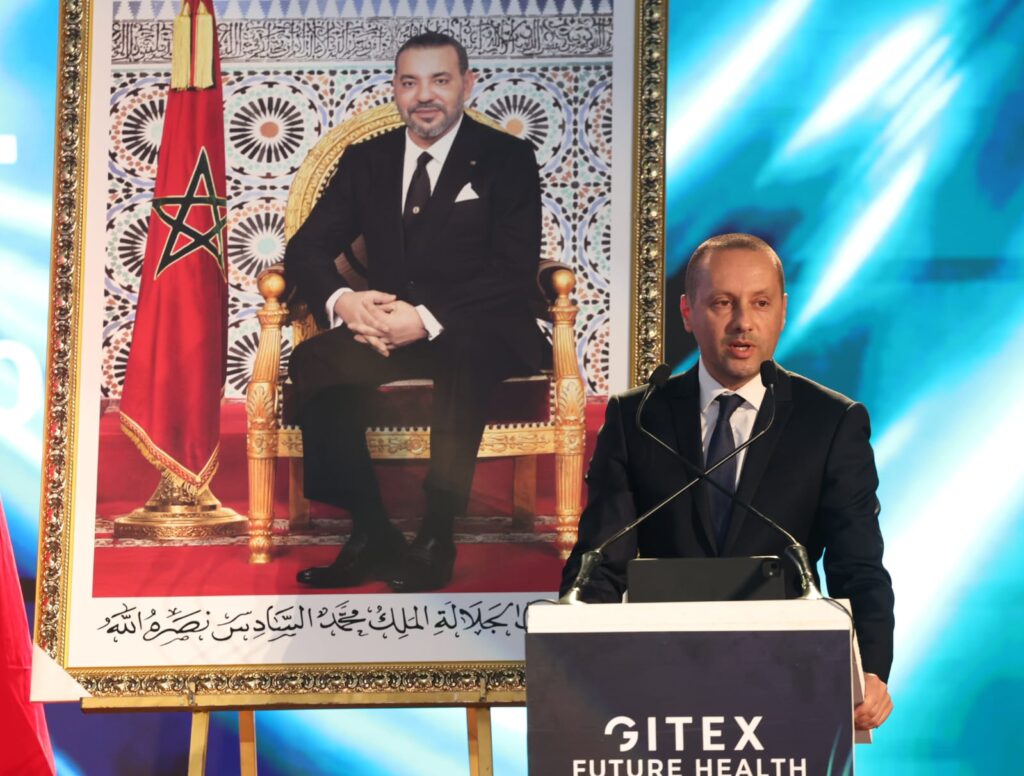
Mr Tahraoui noted that some health facilities are already leveraging AI to perform complex medical procedures and provide diagnostic support, helping to address shortages in medical personnel. Others are using epidemiological algorithms to strengthen traditional disease surveillance systems, while telemedicine is being deployed to overcome geographical barriers to healthcare access.
“Technology is moving faster than we are—much faster,” he said. “And I say this not as a doctor, which I am not, but as a public decision-maker who must create the conditions for this technology to land in our health systems rather than pass us by.”
Hundreds of global healthcare leaders, investors, start-ups, and exhibitors are participating in the summit, which aims to revolutionise Africa’s struggling healthcare systems.
The conference is organised by the Mohammed VI Foundation for Sciences and Health (FM6SS), Morocco’s Ministry of Health and Social Protection, and KAOUN International, under the high patronage of His Majesty King Mohammed VI.
Participating countries include Morocco, Ghana, Senegal, Burkina Faso, Cameroon, Côte d’Ivoire, Equatorial Guinea, Benin, the Democratic Republic of Congo, Chad, Gabon, Niger, Mali, Togo, Zambia, Tanzania, Nigeria, Malawi, Kenya, Cape Verde, Ethiopia, Liberia, The Gambia, and Angola.
The opening session focused on how Africa can achieve health sovereignty through sustainable local financing, continental collaboration, and harmonised policies, regulations, and protocols.
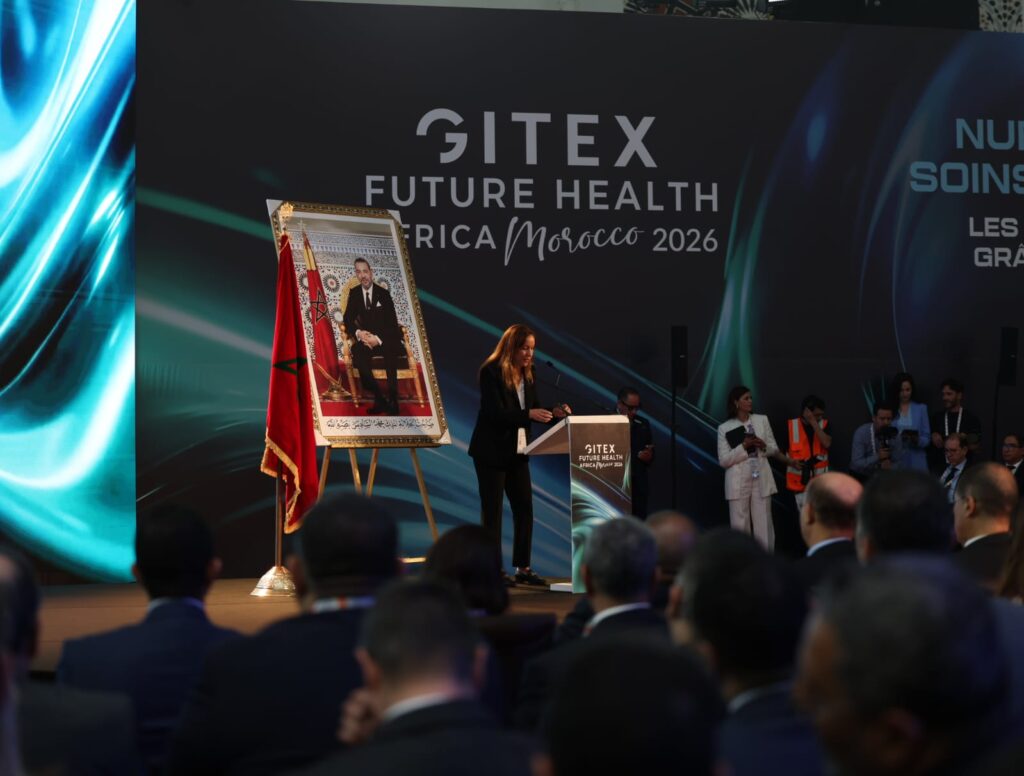
Mr Tahraoui called for stronger coordination among African nations to improve healthcare delivery, enhance efficiency, and build health sovereignty across the continent. He urged countries to collaborate on vaccine production and establish a unified epidemiological system.
“Africa has everything it needs to build its own health sovereignty. What we still lack is coordination,” he said. “We need coordination to jointly build an African market for medicines and medical devices, because our countries currently purchase separately what they could negotiate and produce together.”
Professor Youns Bjijou, Deputy Director of FM6SS, emphasised that health is a strategic right and should be central to national development.
“Health is not a budgetary burden, but a top-tier strategic investment and a fundamental right from which no citizen should be excluded,” he stated.
He added that innovation must promote equity rather than deepen inequality, stressing that while technology and AI are essential, their value lies in improving access and reducing disparities across populations.
“Innovation must be deployed without exclusion and without exception,” he emphasised.
If you want, I can also tighten it further for publication style (AP, Reuters, or headline-driven formats).
GNA
Edited by Alice Tettey /Audrey Dekalu
Reporter: Prince Acquah
[email protected]