By Albert Allotey
Accra, May 16, GNA – The Ministry of Gender, Children and Social Protection has assured members of the Family Based Care Alliance (FaBCA) of the ministry’s readiness to collaborate with them to host this year’s West African Alternative Care Summit (WAACS) in Ghana.
The FaBCA is a Christ-centred faith-based organisation in Ghana and holding the WAACS from June 17 to 18 in Accra aimed at strengthening alternative care and family-based systems in West Africa.
It is on the theme, “From Commitment to Implementation: Scaling Family-Based Care Across West Africa.”
The summit is expected to be addressed by the Minister of Gender, Children and Social Protection and attended by policymakers, practitioners, researchers, civil society organisations, faith-based community leaders, security agencies, and individuals with lived experience of alternative care.
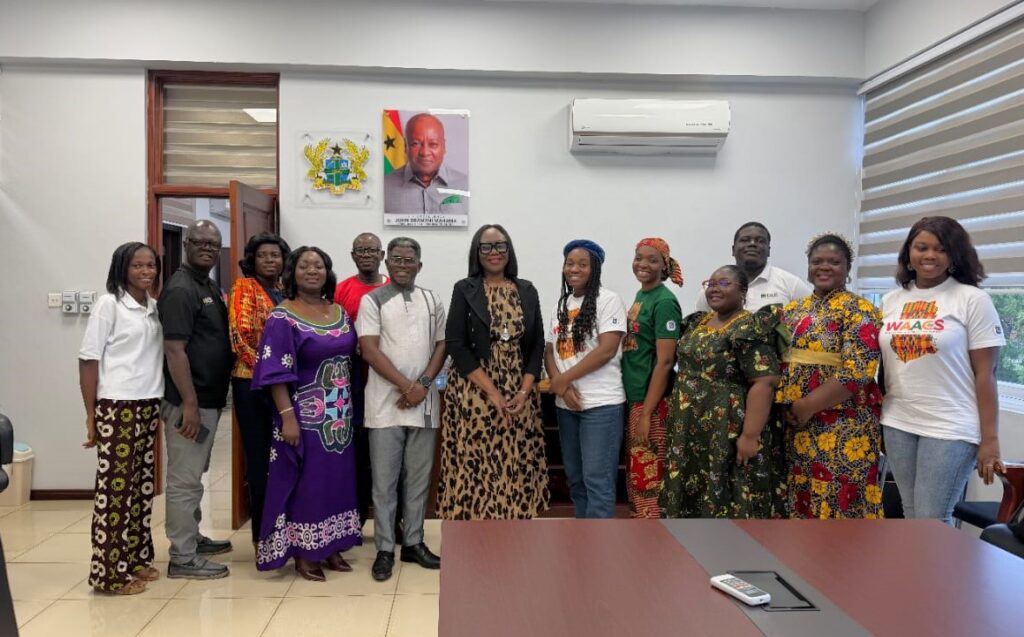
Madam Marian Kpakpah, the Chief Director who led the directors of the Ministry on behalf of the Minister gave the assurance when a 10-member delegation of the FaBCA briefed them on the upcoming summit at a meeting on Friday at the Ministry in Accra.
She said the Ministry was ever ready to partner them for a successful organisation of the event and that the members of the FaBCA should liaise with the directors and furnish them with the roles they would have to play during the conference.
The delegation led by Madam Susanna Afutu, Lead Coordinator of FaBCA on behalf of the group presented a communique to the Ministry to urgently address systemic challenges affecting residential homes for children in Ghana and the need for coordinated national action.
The communique said if these issues were not addressed would threaten the safety, welfare, and long-term development of vulnerable children under state and institutional care.
It mentioned some of the issues as economic barriers to family reintegration, uncoordinated care and inadequate child data, and addressing the “Missing Children” phenomenon.
The rest were slow responsiveness of state actors, poor managed reintegration and retrogression, national data and monitoring gaps, and legal and policy information gaps.
The communique recommended immediate and medium-term action to establish an integrated national protection data management system accessible to relevant agencies.
It called for the strengthening of inter-agency coordination protocols between the Ministry, Social Welfare, Police, and the Judicial Service, and to develop structured economic empowerment packages to support sustainable family reintegration
The others were the institution of clear responsive-time standards for child-related cases involving state institutions, enhance monitoring, inspection, and compliance mechanisms for residential homes.
The communique further called for the conduct of national capacity-building and legal orientation sessions for all child protection actors, develop a coordinated national strategy to address missing trafficked, and abandoned children.
It said the protection of vulnerable children was a collective national responsibility and that strengthening systems, improving coordination, and ensuring accountability would significantly enhance child welfare outcomes and aligned practice with national child protection commitments.
The FaBCA therefore urged the Ministry to convene a high-level multi-sectoral engagement to develop an actionable roadmap to address the concerns.
Madam Afutu on behalf of the group expressed gratitude to the directors for their warm reception and that they would continue to call on them for their support.
GNA
Kenneth Odeng Adade