By Benjamin Adamafio Commey, GNA
Accra, May 29, GNA – Professor Yaw Asare Afrane, a Medical Entomologist at the Department of Medical Microbiology of the University of Ghana Medical School, has warned that the widespread and continuous use of agricultural pesticides is contributing significantly to the growing resistance of mosquitoes to insecticides used in malaria control.
He said mosquito populations were increasingly adapting to chemicals used to kill them, making conventional malaria prevention interventions less effective.
“Farmers who want to kill the pests destroying their crops also use pesticides or other forms of insecticide. But then, this washes into the nearby water where mosquitoes are breeding.
“And so, right from the time that they are immature, before they become adults to come and bite us, they’ve been exposed to some form of insecticide or pesticide. And so, they start building this tolerance to the insecticide,” he said.
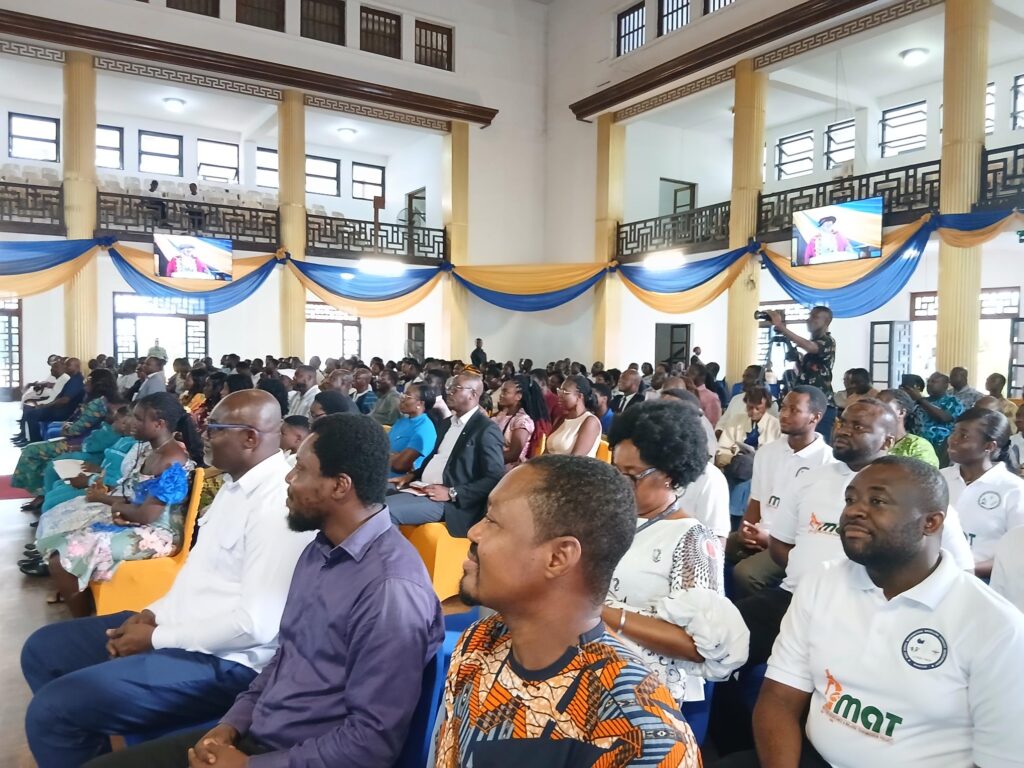
Prof Afrane issued the warning in an inaugural lecture organised by the University of Ghana in Accra on Thursday on the topic: “Fighting the Bite: Human Activities and the Changing Landscape of Mosquito-Borne Diseases in Africa.”
He explained that insecticide resistance occurred when mosquitoes gradually developed biological mechanisms that allowed them to survive chemicals designed to kill them.
Some mosquitoes now produced enzymes, that is, substances in living organisms that sped up chemical reactions capable of detoxifying insecticides sprayed in homes or embedded in treated mosquito nets.
Additionally, he said, mosquitoes reproduced very rapidly and could develop genetic mutations that enabled them to survive repeated exposure to insecticides, adding that some of them now exhibited what scientists called “knockdown resistance,” where they appeared temporarily paralysed after exposure to insecticides but recovered shortly afterwards.
“All the bed nets that are being distributed are treated with insecticide. However, mosquitoes are smart enough and breed very quickly, and so they have developed these mutations that enable them to outsmart the insecticides being used on them,” he said.
Prof Afrane again noted that mosquito behaviour was also changing due to pressure from control interventions such as insecticide-treated bed nets and warned against uncontrolled human activities, which were creating ideal breeding environments for mosquitoes across Ghana and Africa.
He said his studies across different ecological zones in Ghana had shown that mosquito abundance was closely linked to environmental conditions and human activities.
Prof Afrane, whose research spans more than two decades, recounted earlier research conducted in Kumasi, where informal urban agriculture and irrigation systems created conducive conditions for mosquito breeding and malaria transmission, adding that deforestation and climate change were influencing mosquito ecology.
He identified stagnant water collected in discarded car tyres, cans, broken buckets, drainage systems and poorly managed irrigation schemes as major mosquito breeding grounds.
“The mosquitoes that are breeding around us and biting us every day are not coming from the forest. They are bred within our own areas, around our homes and sometimes within the house itself,” he said.
He warned that climate change could eventually allow mosquitoes to spread into high-altitude areas of Ghana that previously recorded low mosquito populations.
The entomologist disclosed that his research group had also detected invasive mosquito species in Ghana, including Anopheles stephensi, originally from Asia, and Aedes albopictus, associated with dengue fever transmission, adding that plans were underway to control them.
He mentioned lymphatic filariasis (parasitic disease transmitted by mosquitoes that can cause elephantiasis) chikungunya and West Nile virus as important mosquito-borne diseases affecting populations globally.
Prof Afrane called for collective action to reduce mosquito breeding sites through improved sanitation, environmental management and proper urban planning.
He advocated the reintroduction of strict environmental sanitation enforcement by local authorities, including the town and municipal councils, to help address sanitation challenges.
“We humans have created opportunities through our activities for mosquitoes to breed around us, bite us and cause disease. If we reverse these activities, then we can eliminate mosquito-borne diseases around us,” he said.
He called for increased investment in research, public health planning and the training of more experts in mosquito control and medical entomology to help fight the menace.
Chairing the lecture, Professor Nana Aba Appiah Amfo, the Vice-Chancellor of the University of Ghana, said mosquito-borne diseases were not simply natural occurrences but were influenced by urban farming, mining, deforestation, environmental pollution and poor drainage systems.
She noted that the lecture was particularly timely as the rainy season had begun across Ghana, bringing flooding, stagnant water and increased mosquito breeding sites in many communities, adding that that underscored the need for improved sanitation, urban planning and collective environmental responsibility.
Prof Appiah Amfo urged the public to support scientific research and take personal responsibility for maintaining clean environments as mosquito control should not be left to scientists and government agencies alone.
She commended Prof Afrane for his contribution to research and policy, noting that his work had informed malaria control strategies, surveillance systems and vector control interventions across Ghana and other African countries.
GNA
Edited by Agnes Boye-Doe
Reporter: Benjamin Adamafio Commey