By Edward Acquah, GNA
Accra, April 15, GNA – Ghana has begun the implementation of a 15-month climate risk modelling project under the Global Risk Modelling Alliance (GRMA) aimed at strengthening disaster risk management and building resilience across key sectors of the economy.
The project, launched at an inception workshop in Accra on Tuesday, will develop advanced risk analytics and datasets to support planning, investment and policy decisions in response to growing climate threats.
It will focus on three priority areas: assessing the impacts of drought and floods on agriculture in northern Ghana, expanding urban flood risk analytics to cities including Kumasi, Tamale, Sekondi-Takoradi and Cape Coast, and analysing coastal flood risks and economic losses in the Volta Delta.
The initiative is being implemented by a consortium led by Marsh, an insurance broking and risk management firm, in collaboration with international and local partners, working closely with Ghana’s Ministry of Finance and other stakeholders.
A World Bank Climate Risk Country Profile on Ghana showed that rising temperatures, erratic rainfall, flooding and coastal erosion posed significant risks to livelihoods, infrastructure and economic growth, with vulnerable sectors such as agriculture and coastal communities particularly exposed.
Mr David Collison, the Coordinating Director, Ministry of Finance, said the programme marked a significant step towards improving decision-making in the face of increasing climate-related risks.
“This milestone represents a significant step forward in our collective effort to building resilience and improve decision-making,” he said, noting that urban flooding, prolonged droughts and coastal erosion were already having serious economic and social consequences.
He explained that the project would strengthen risk models, support climate risk financing opportunities and build long-term national capacity in climate and disaster risk analytics.
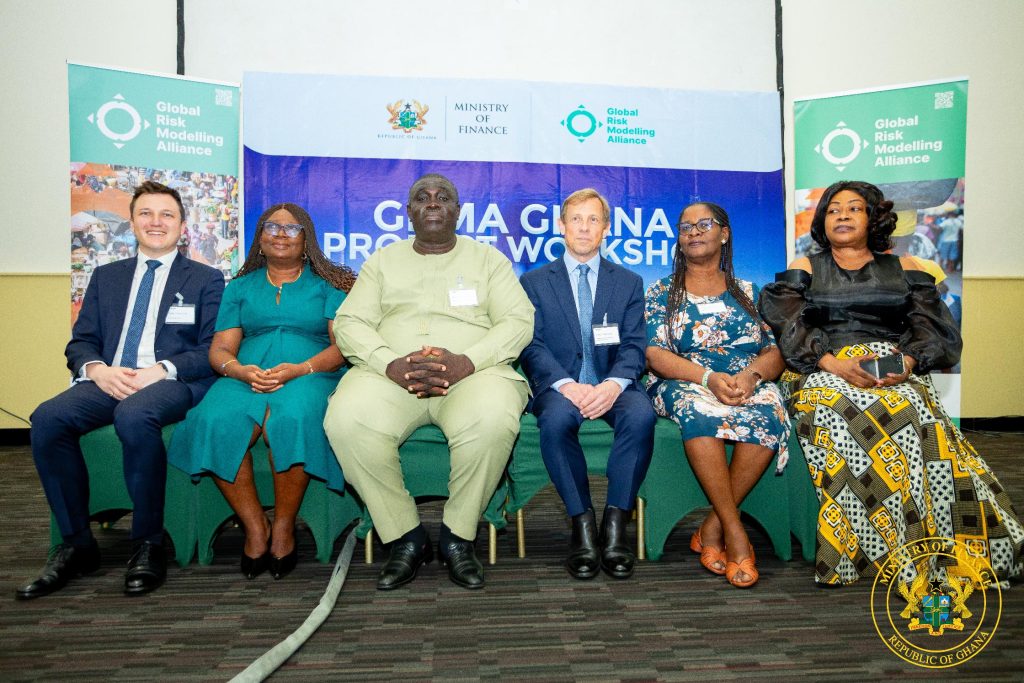
Mr Callum Ellis, the Director and Head of Climate Resilience at Marsh Risk, described the initiative as a pivotal step in Ghana’s climate resilience journey.
“Over the coming 15 months, we will work closely with government ministries, disaster risk agencies and the insurance industry to develop robust, actionable datasets and climate disaster risk assessment tools,” he said.
Mr Nick Moody, Co-director of GRMA (Private Sector), highlighted the importance of science and data in managing climate risks.
“Without data, decisions are made under conditions of uncertainty. Risk analysis helps improve decision-making and can unlock finance needed to build resilience,” he said.
He noted that Ghana had strong institutional foundations but required enhanced capabilities in risk analytics, particularly to support financing mechanisms such as insurance.
The inception workshop brought together stakeholders from government, private sector, civil society and international organisations to review the project workplan, assess existing capacities and establish a Technical Working Group to guide implementation.
The GRMA programme is expected to support evidence-based policymaking, strengthen disaster risk management systems and enhance Ghana’s ability to respond to climate shocks while promoting sustainable development.
GNA
Edited by Agnes Boye-Doe