By Isaac Arkoh
Cape Coast, March 13, GNA – A 13-year-old pupil of Gomoa Afransi Methodist Basic School in Ghana’s Gomoa East District of the Central Region, Master Dominic Boabeng, has praised President John Dramani Mahama for the free care policy for patients like him.
He, however, made a heartfelt plea for additional dialysis machines decentralised to enable 24-hour round-the-clock treatment services.
For the past year, Boabeng had endured thrice-weekly dialysis sessions at Cape Coast Teaching Hospital (CCTH), a vital lifeline for his kidney condition amid scarce resources.
“I come here three times a week, very early in the morning, and sometimes I have to wait because there aren’t enough machines,” he shared tearfully during a Ghana News Agency (GNA) visit on Thursday.
Leading fellow dialysis patients to mark World Kidney Day, young Boabeng passionately urged the government, corporate bodies and philanthropists to procure more machines and decentralise services.
The patients highlighted how limited equipment had caused overcrowding, forcing long hours or day-long waits that worsened symptoms like fatigue, swelling and high blood pressure.
Untreated end-stage renal disease, they said had heightens risks of heart attacks, strokes, or coma within weeks, they said, while families bear heavy economic strains from travel to distant facilities like Korle Bu in Accra and private hospitals.
“We thank the government for free dialysis, but we need more machines decentralised to ease access,” Boabeng appealed.
His personal ordeal came a year ago, sapping his strength and disrupting his education and sporting activities, nearly derailing his dream of becoming a medical doctor.
He said transport costs from Gomoa Afransi to Cape Coast every three days had drained his family’s savings, adding immense stress.
Another patient, Mr Eugene Okai, a Credit Union Manager from Twifo Paraso in Twifo Atti-Morkwa District, praised President Akufo-Addo’s free dialysis initiative but noted that limited machines was a bane to their care.
A 24-hour operation, he said, would eliminate incomplete treatments, cut waiting times, reduce complications and readmissions and ensure equitable access, particularly for rural underserved communities.
Journalist Mr Thomas Cann, battling the disease for 13 years, attributed surging demand for the free programme, which had drawn patients from Western, Western North and Eastern Regions.
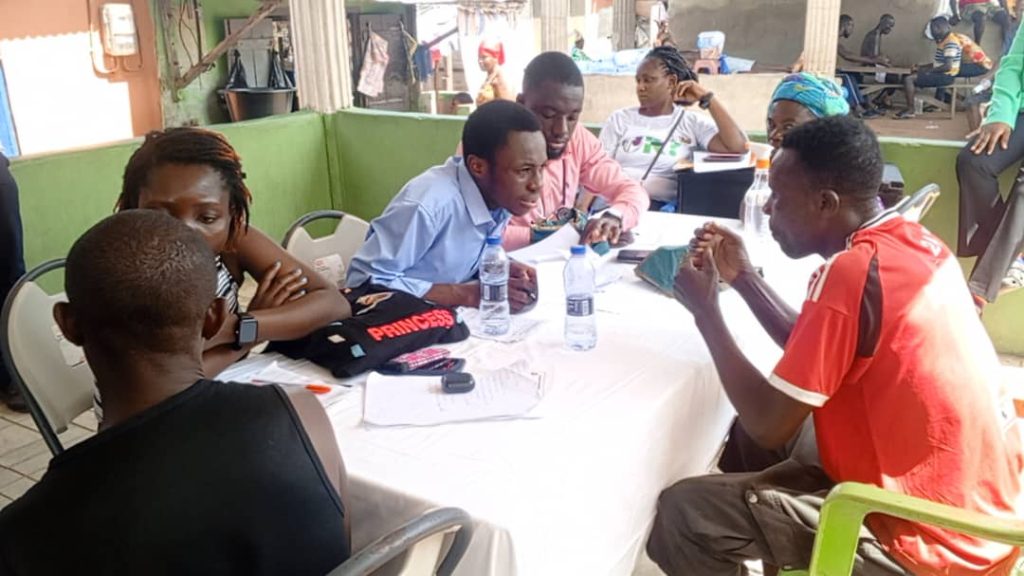
Later in the day, CCTH-organised health screening at Moree near Cape Coast, where Dr Kelvin Denanyoh, an Internal Medicine Resident Practitioner, screened more than 300 residents.
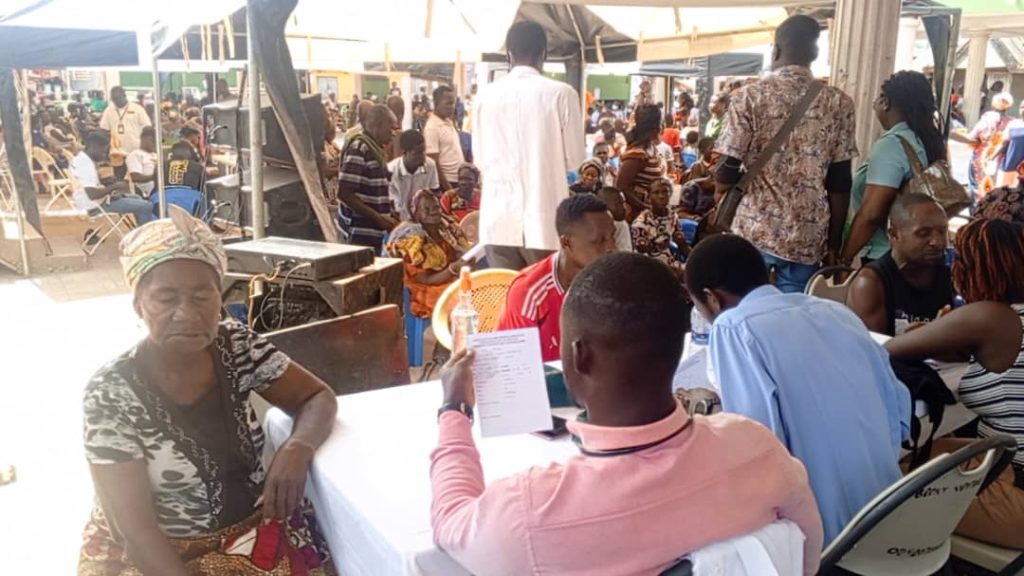
He identified diabetes, hypertension, chronic glomerulonephritis, overuse of nephrotoxic drugs and herbal medicines as primary causes of chronic kidney disease in Ghana.
To prevent it, Dr Denanyoh urged maintaining healthy blood pressure and sugar levels, adopting low-salt diets rich in fruits and vegetables, regular exercises, quitting smoking and avoiding nephrotoxic substances.
For end-stage cases, he stressed early detection, regular dialysis or transplants and complication management.
World Kidney Day 2026 was observed on the theme: “Kidney Health for All: Caring for people, protecting the planet.”
It underscored kidneys’ role in health while linking disease prevention to environmental sustainability through activities like screenings and education.
GNA
Edited by Alice Tettey/ Christabel Addo