By Albert Allotey
Accra, March 26, GNA – The Ghana Health Service in collaboration with World Child Cancer (WCC) has held a day’s stakeholders validation meeting on the Draft National Nutrition Guidelines for children diagnosed with cancer.
The meeting forms part of the collective efforts of the stakeholders to develop comprehensive and evidence-based nutritional guidelines to support the care and management of children undergoing cancer treatment in Ghana.
It was attended by representatives from health institutions and aligned health organisations in the country.
Dr Ignatius Awinbuno, the Director of Allied Sciences, Ministry of Health in an address commended the organisers of the meeting for their continued commitment towards improving paediatric healthcare in Ghana.
He further lauded the Ghana Health Service and World Child Cancer for their leadership and partnership in driving important initiative, as well as the Technical Working Group for contributing to the development of the draft document.
Dr Awinbuno said the likelihood of surviving a diagnosis of childhood cancer or cure in high-income countries was more than 80 per cent of children with cancer were cured, while in many low- and middle-income countries less than 30 per cent.
The WHO Global Initiative for Childhood Cancer aims to increase the survival rate for childhood cancer globally to at least 60 per cent by 2030, he stated.
He noted that one of the key contributing factors to the disparity is malnutrition, which he said was both a cause and consequence of cancer and its treatment.
He added that, “Nutrition therefore plays a critical role in the treatment outcomes of children with cancer.
“Adequate nutritional support not only improves tolerance to treatment but also enhances recovery, reduces complications, and ultimately contributes to better survival rates.”
He urged the participants to ensure that the final guidelines are practical, contextually relevant, and aligned with global best practices in paediatric oncology care.
Dr Nihad Salifu, Paediatric Oncologist with the Greater Accra Regional Hospital, who presented the overview of Childhood Cancers and the Rationale for Developing the Nutrition Guidelines said the initiative was important.
She explained that some of the treatment of cancers could make children loss appetite for food, nauseous, vomit, and that all those things are not issues that one can find in the general population of children when they have nutritional problem.
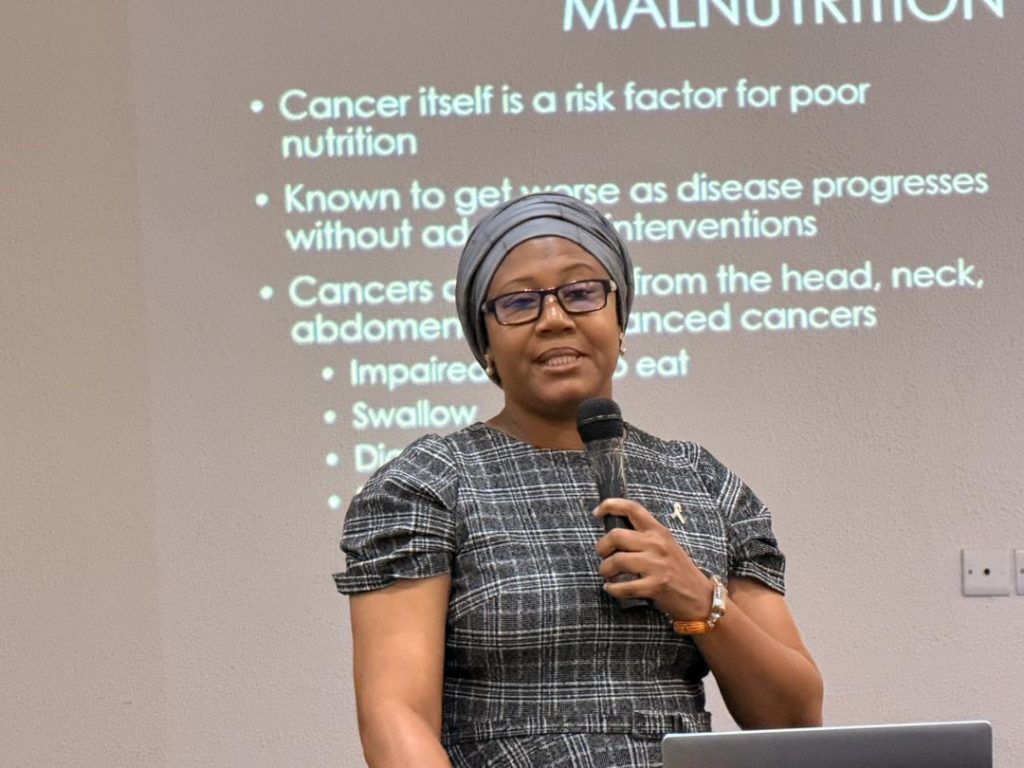
“So, that is why we want specific guidelines to treat children or to manage them in terms of their nutritional care when they develop cancer,” Dr Salifu stated.
She further explained: “One of the other reasons they needed the guidelines is that we did a study, and we find out that at least 40 per cent of the children who comes to the largest treatment centre, that is, the Korle-Bu Teaching Hospital, they come in malnutrition.
“We followed them up for a period of three months, some of them died and those who remained alive started becoming malnutrition because the nature of the treatment can also impose a lot of factors on them that they can also become malnutrition.
“So, the guidelines would serve as a tool such that at the beginning of assessing them would give guidance as to how to take care of their nutritional care as we go along.”
She said the guidelines have standardised protocols that would be used to manage children with cancer in all the treatment centres across the country, and that would prevent health professionals from doing anything in their own corner.
“The standardised guidelines would be the one endorsed by the Ministry of Health to be used across the country,” she stated and that it would allow to compare data from the treatment centres as to what they are doing right or what needed to be improved upon.
“It will also allow the training centres for medical professionals who treat children with cancer to be able to have some materials to train nurses, doctors, pharmacists, and all those who are involved in childhood cancer care, and the nutritionists as well,” Dr Salifu stressed.
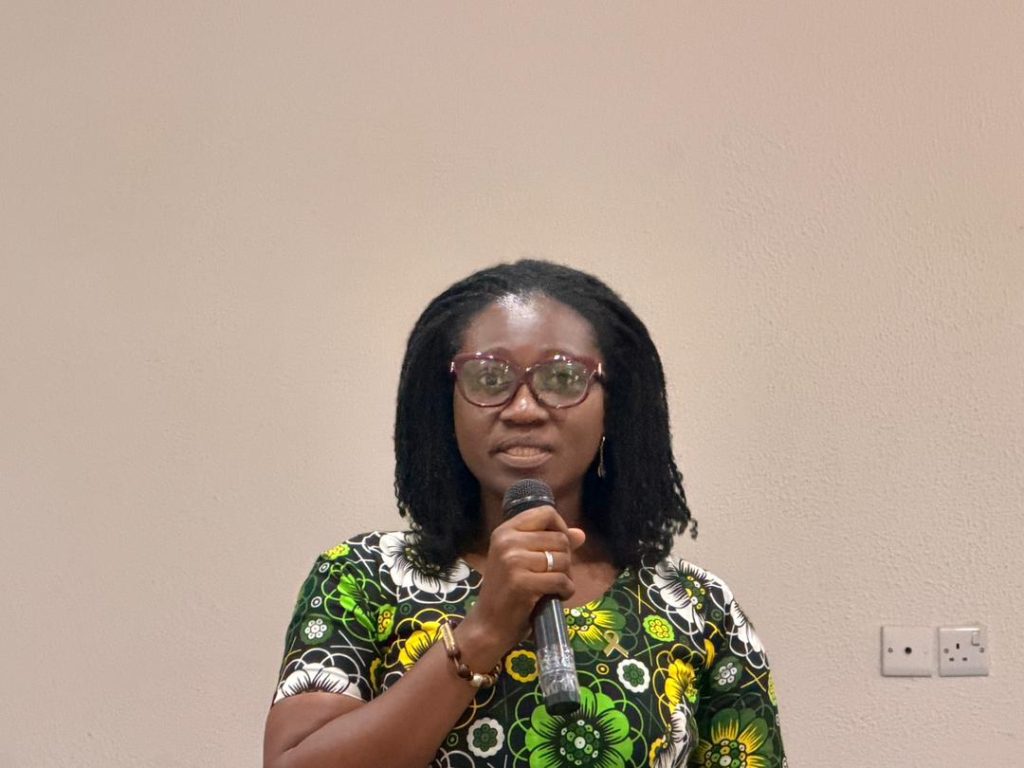
Madam Adwoa Pinamang Boateng Desu, the Country Coordinator of WCC in a welcoming address appealed to public institutions and corporate bodies to support the initiative to help bring structure and clarity to nutritional needs of children diagnosed with cancer.
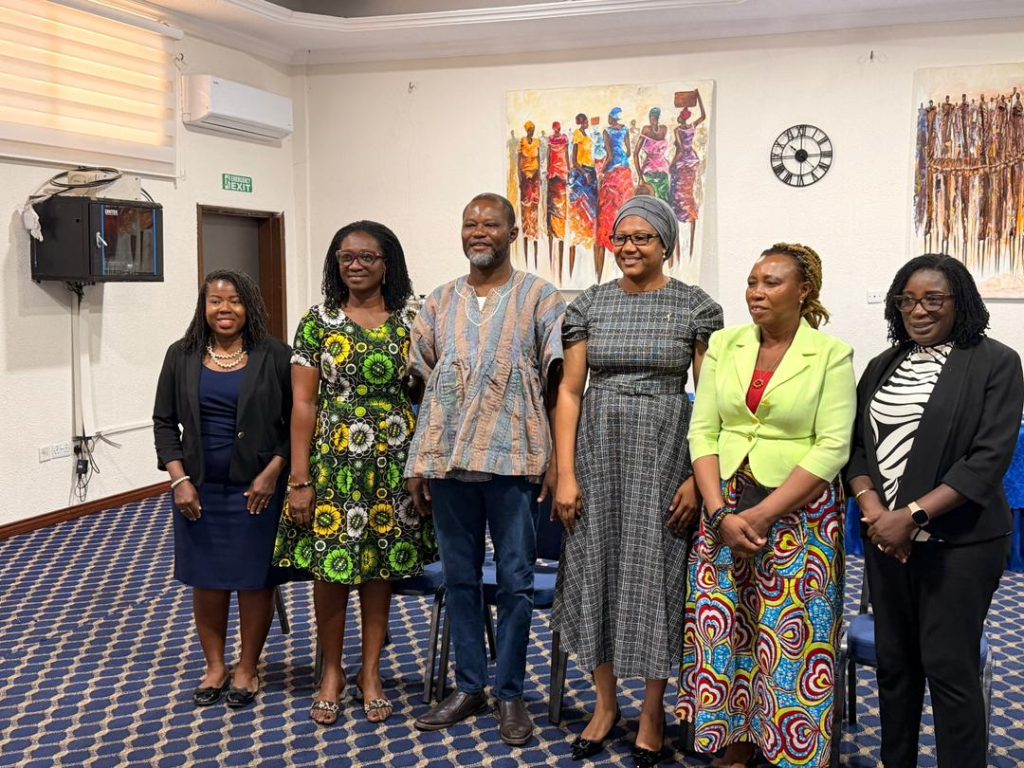
The stakeholders at the meeting reviewed the guidelines, provided feedback on the content applicability, implementation strategies, and reached consensus on the final recommendations and agree on next steps for dissemination and adoption.
GNA
Edited by Benjamin Mensah