By Iddi Yire, GNA
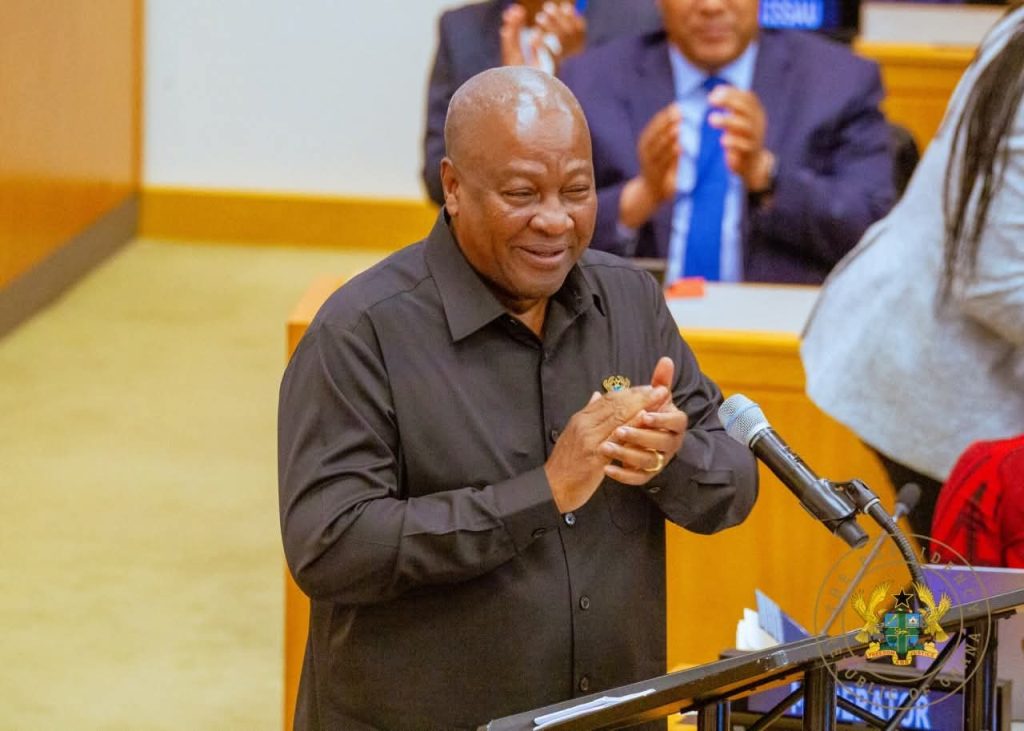
Accra, March 25, GNA – President John Dramani Mahama has intensified calls for a global commitment to reparatory justice, signalling Ghana’s intention to formally table a landmark proposal at the United Nations later Wednesday.
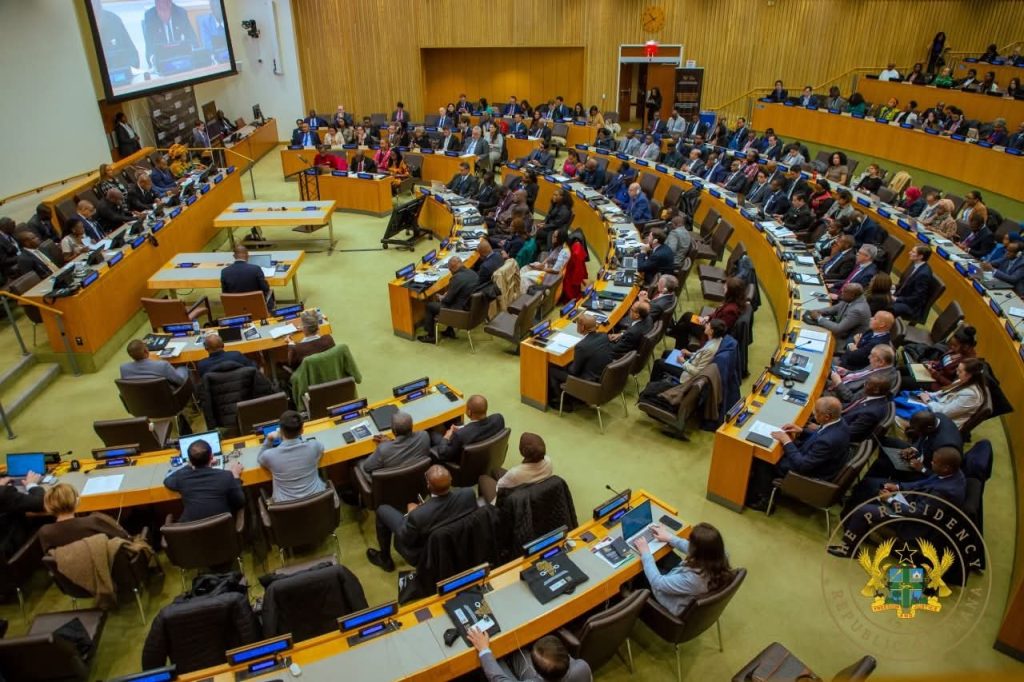
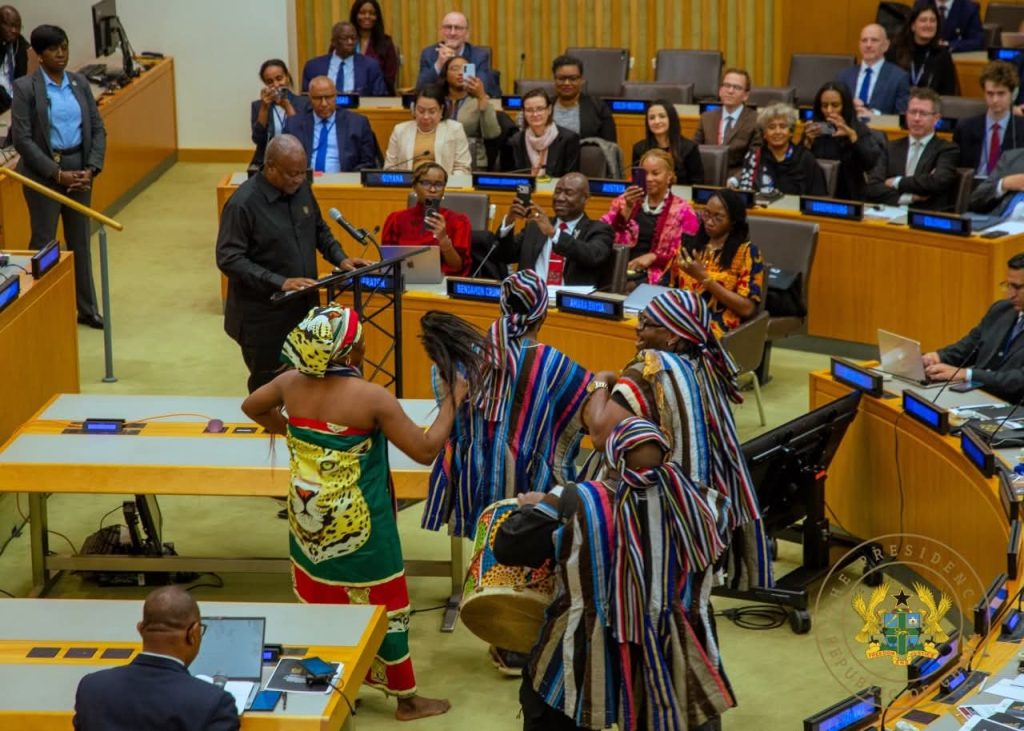
The President made the declaration at a High-Level Event on Reparatory Justice for the trafficking of enslaved Africans and the racialised chattel enslavement of African people at the United Nations Headquarters in New York.
President Mahama cited the 18 million Africans trafficked and 10 to15 per cent deaths during the Middle Passage.
The event drew high-level diplomats, civil rights activists and members of the African diaspora, including Reverend Al Sharpton.
President Mahama emphasised that confronting the legacy of slavery requires moral clarity and deliberate global action anchored on truth.
“There is no such thing as a slave. There were human beings who were trafficked and then enslaved by people who believed they could own those human beings as chattel,” he said.
He noted that such clarity in language was essential to restoring dignity and recognising the humanity of millions of Africans who were dehumanised under the transatlantic slave trade.
The President explained that chattel slavery, which emerged prominently between the 15th and 19th centuries, reduced African men, women and children to property that could be bought, sold, inherited or discarded.
Unlike earlier forms of servitude, chattel slavery was racialised and permanent, stripping generations of Africans of their identity, culture and basic human rights.
It formed the backbone of economic systems in the Americas and the Caribbean, fuelling the production of commodities such as sugar, cotton, tobacco and cocoa, while leaving enduring scars on African societies.
President Mahama said the system was built on a false racial hierarchy that elevated one race over another without scientific or moral justification.
He noted that the atrocities committed against enslaved Africans and the enduring inequalities that followed were rooted in their treatment as objects rather than human beings.
He stressed that any meaningful conversation on reparations must begin with reclaiming the dignity, equality and humanity of Africans and their descendants.
The President described a United Nations resolution declaring the trafficking and enslavement of Africans as the gravest crime against humanity as a critical step towards global acknowledgement and healing.
The resolution, he said, would enable the international community to collectively recognise the suffering of an estimated 18 million Africans who were forcibly taken from their homes over four centuries.
“It is a pathway to healing and reparative justice, and a safeguard against forgetting,” he said.
President Mahama recounted the harsh realities of the Middle Passage, where enslaved Africans were transported across the Atlantic in chains under inhumane conditions.
He said many perished during the journey, with mortality rates estimated between 10 and 15 per cent, while others chose death over captivity.
Those who survived were sold in markets, stripped of their names and identities, and subjected to forced labour under brutal conditions on plantations and in mines.
“They were beaten, underfed, and forced to live in cramped conditions. Many died young, either from the harsh labour or disease,” he said.
He added that enslaved persons were often renamed, branded and reduced to commodities, with their cultural heritage erased.
President Mahama maintained that the widespread nature of slavery at the time did not justify its existence.
“Slavery is wrong now, and it was wrong then,” he stated.
He acknowledged the role of abolitionists who resisted the system and urged the international community to draw inspiration from their efforts.
President Mahama called for stronger global support for reparatory justice initiatives to address the enduring impact of slavery on Africa and its diaspora.
GNA
Edited by Beatrice Asamani Savage