By Albert Allotey, GNA
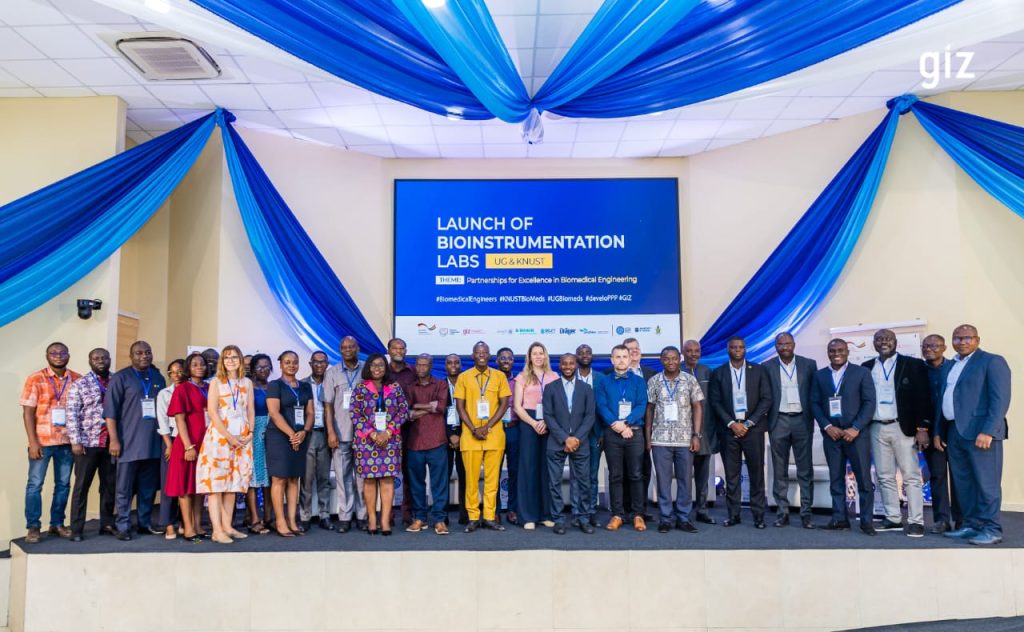
Accra, Feb. 27, GNA – The upgraded Bioinstrumentation Laboratories at the University of Ghana and Kwame Nkrumah University of Science and Technology have been officially launched to provide training to students on modern equipment.
The upgrading of the laboratories was jointly implemented by GIZ on behalf of the Federal Ministry for Economic Cooperation and Development under a project, “Upskilling Biomedical Engineers for Ghana.”
It was funded through develoPPP and medical technology companies B.Braun, Delft Imaging, Draegerwerk and Sysmex, and adaptive learning solutions provider Area 9 Lyceum.
Ghana and German academia are further working on adjusting the biomedical engineering curricula to meet the healthcare delivery system demand in Ghana.
The launch was on the theme: “Partnership for Excellence in Biomedical Engineering.”
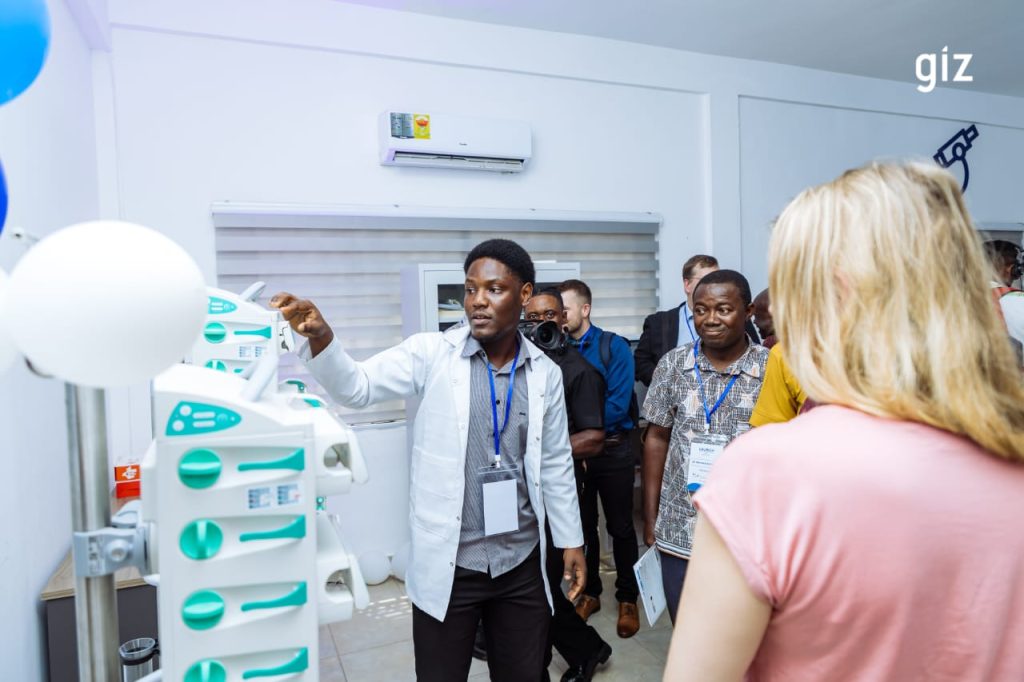
Through the partnership, the Bioinstrumentation Laboratories of the Biomedical Engineering Departments of the two universities have been provided with the state-of-the-art medical technologies.
The technologies included haematology analysers, x-ray systems, dialysis machines, infusion pumps, aneasthesia machines, with other electrical equipment such as oscilloscopes, bench multimeters and advanced diagnostic tools.
A joint statement by the partners said the objective of retrofitting the Biomedical Engineering Laboratories was to train industry-ready graduates and to build a stronger healthcare in Ghana.
It said, “This will help close the gap between education, research and industry in the field of biomedical engineering.”

It will also position the biomedical engineering students to graduate with job-ready skills that are in high demand across hospitals, manufacturing firms, and medical service providers nationwide, the statement added
It stated that the provision of the training would help improve patient safety and diagnostic accuracy, contribute to a more resilient and technologically empowered healthcare system, increase local capacity to maintain and manage medical equipment, and reduce equipment downtime in hospitals.
“This will position Ghana as a regional leader in biomedical engineering training, support national health, and strengthen university-industry collaboration,” it stressed.
Dr Helene Widmer, Project Manager, GIZ called on the Ghanaian health sector, academia and students, the private sector partners, and development institutions to work together to strengthen the biomedical sector in Ghana.
She said, “Today’s health sector, be it in Ghana or Germany, demands professionals who can install, calibrate, maintain, innovate, and manage sophisticated medical technologies.
“Technology is constantly improving, and so is the need for adjusting curricula and equipping laboratories.”
Dr Ignatius Awinibuno, Head of Allied Health of the Ministry of Health in an address commended the partners for their continued collaboration with Ghana, particularly GIZ through the develoPPP programme, and the German Federal Ministry for Economic Cooperation and Development.
He said the health sector in Ghana, like many across the continent faced recurring challenges and that the upgraded laboratories represented part of the answer.
Dr Awinibuno stated that furthermore the revision of the curricula to integrate more practical content was a forward-looking intervention, adding that, “Education must remain responsive to sector needs.
“By aligning academic training with the operational demands of hospitals and diagnostic centres, we are narrowing the gap between classroom learning and clinical reality.”
He urged the students to use the laboratories to fulfil their academic requirement and to transform Ghana’s healthcare delivery.
He called on faculty members and administrators to ensure the proper maintenance of the equipment while updating the curriculum, fostering research collaboration, and embedding engagement.
Dr Awinibuno expressed gratitude to the development partners for their confidence and commitment in strengthening Ghana’s biomedical engineering education, saying, “On behalf of all stakeholders I extend appreciation for this strategic and forward-thinking support.”
“Let this occasion mark the beginning of a new chapter, where engineering excellence consistently underpins clinical success, where biomedical laboratories become engines of innovation, and where Ghanaian biomedical engineers stand at the forefront of healthcare transformation in Africa,” he concluded.
GNA