Albert Oppong-Ansah
Accra, Feb. 19, GNA – Traders at Kantamanto Market sort large volumes of second-hand clothing daily, discarding unsellable garments that often end up as environmental waste.
For years, torn, stained and outmoded clothing imported from Europe and North America clogged drains, filled landfills and polluted nearby beaches.
Some of the discarded clothing is now taking a different path.
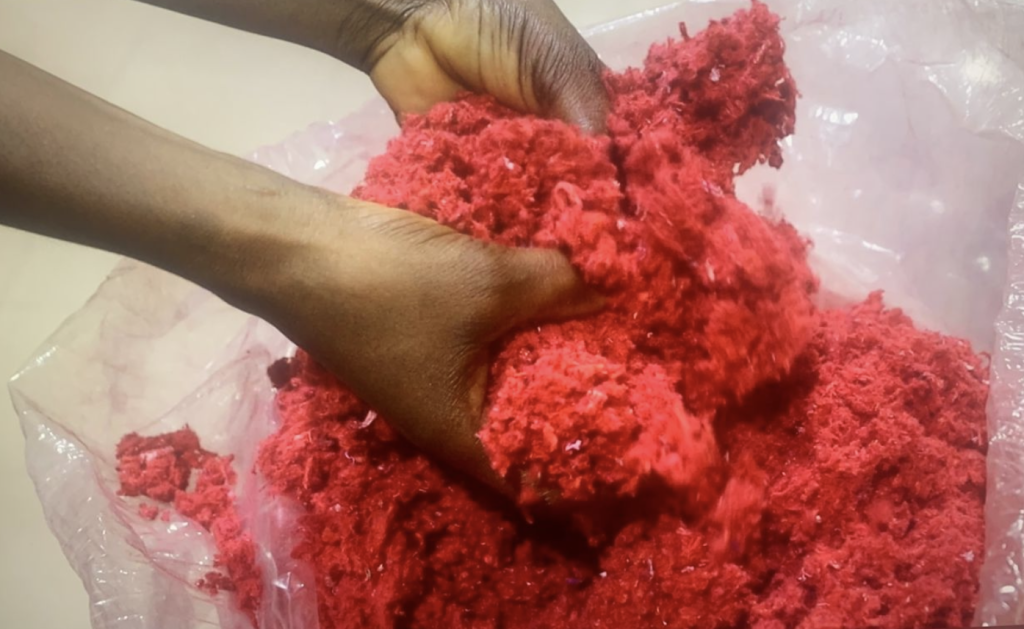
The Or Foundation, at its facility in Accra, is converting discarded cotton and mixed fibre fabrics from the market into durable composite boards for construction and interior use.
The boards are used to decorate homes, offices, conference rooms and public buildings.
Some serve as acoustic sound panelling, absorbing sound waves, improving speech clarity and reducing noise in recording studios, churches and auditoriums.
They are also used to produce speakers and clothing hangers.
From Market Waste to Raw Material
The process begins at Kantamanto, where blended materials, with preference for higher percentages of cotton, are collected from traders.
At the Material Technology and Transformation Lab (MTTL), workers further sort the fabrics by colour and material type. Sorting by colour eliminates the need for dyes and chemicals later in the production process.
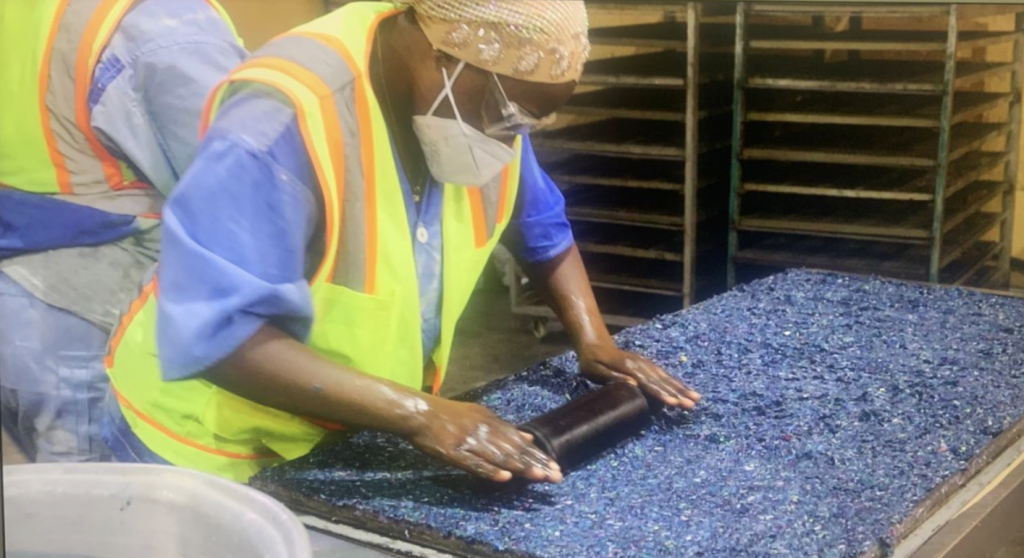
“It’s slow work, but important,” says Wahida Muah Doho. “If we mix the wrong fabrics, the board will not be strong.”
She is among women employed under the Foundation’s Mabilgu programme, which seeks to divert young women from working as head porters, popularly known as “Kayayie”.
After sorting, T-shirts are either baled for future production or fed into a shredder designed and built by the MTTL team using mainly recycled materials sourced from the Galloway metal market.
The shredded fibres are further granulated and mixed with a cassava-based glue prepared by women in the community using locally grown cassava starch.
The glue is specially formulated with organic additives to enhance fire resistance, inhibit pests and mould, and adjust viscosity.
The fibre and glue mixture, which resembles dough, is placed into moulds by hand, levelled with wooden rolling pins and water, and dehydrated into sheets.
“What emerges bears no trace of its previous life as clothing, only a sturdy material ready for use. Each board produced represents kilos of textile waste diverted from landfills and waterways,” Mr. Henry Sackey, Production Manager at MTTL, says.
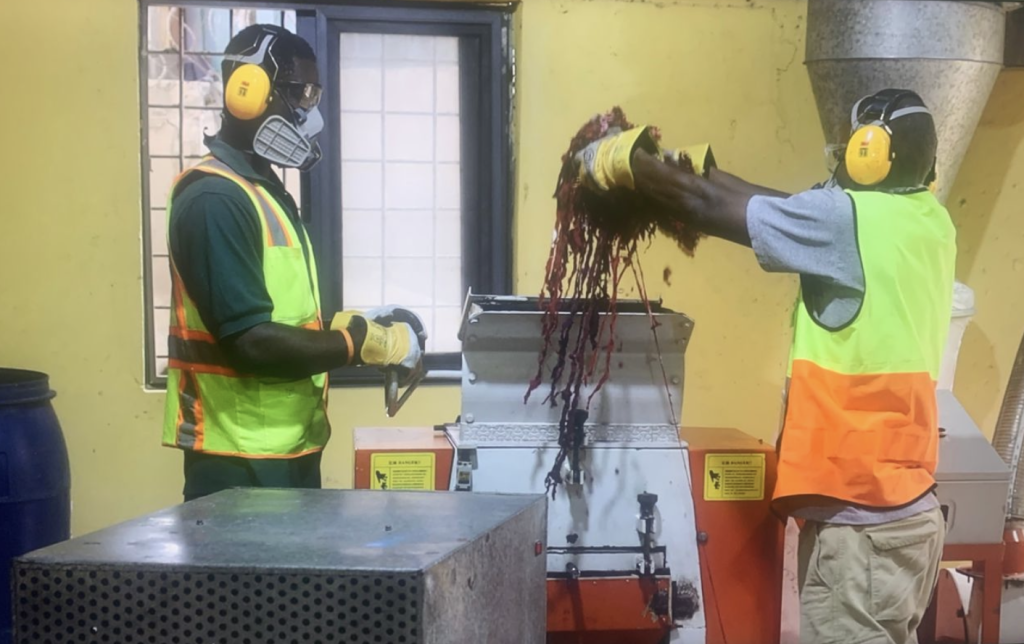
The Foundation says many of the workers are former head porters who previously relied on unstable daily wages in Accra’s markets.
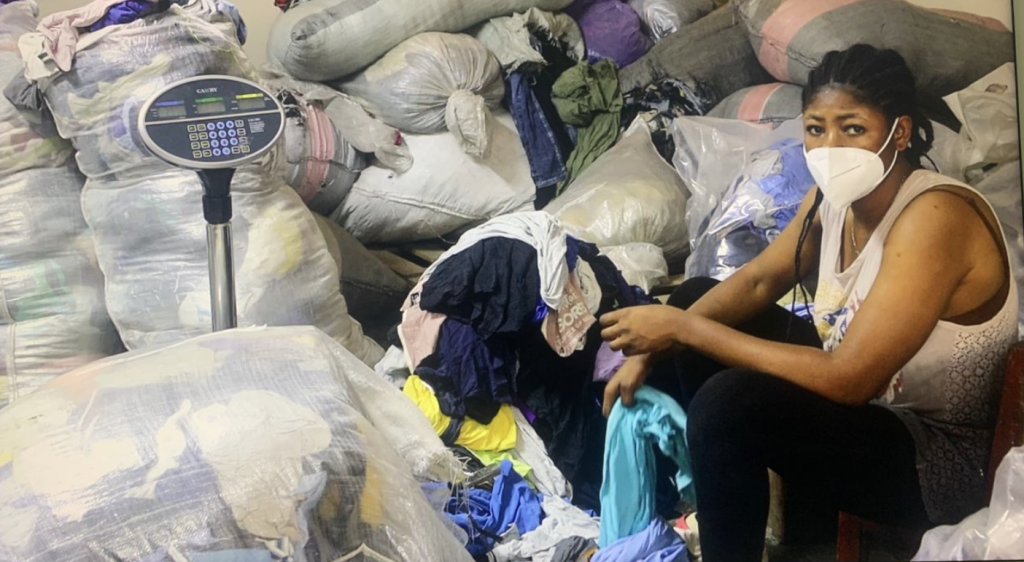
Through training, they are learning to operate machinery, manage quality control, and supervise production.
Mr Sackey says some workers are being trained as team leads to enhance their long-term employability in manufacturing and environmental innovation.
“With sustainable funding and increased demand, we can upscale this and ensure that the waste is redirected and repurposed,” he said.
GNA
Edited by Kenneth Sackey
19 Feb. 2026