By Nii Martey M. Botchway
Accra, Feb. 13, GNA – After two years of duty tour of Ghana, Shri Manish Gupta, India’s High Commissioner to Ghana, is leaving Accra with what he describes as “a deep sense of gratitude, achievement, and personal connection.”
Mr. Gupta, who is bidding farewell to a country that has been home to him and his family over the past two years, says his posting has been both a professional milestone and a personal journey during which he “literally felt at home.”
“It has been a personal journey marked by learning, warmth, and a strong sense of belonging,” he said.
In an interview with the Ghana News Agency’s Nii Martey M. Botchway ahead of his departure later today(Friday), Mr. Gupta described his stay as a period of strong learning, expanding partnerships, and deepening people-to-people ties between India and Ghana.
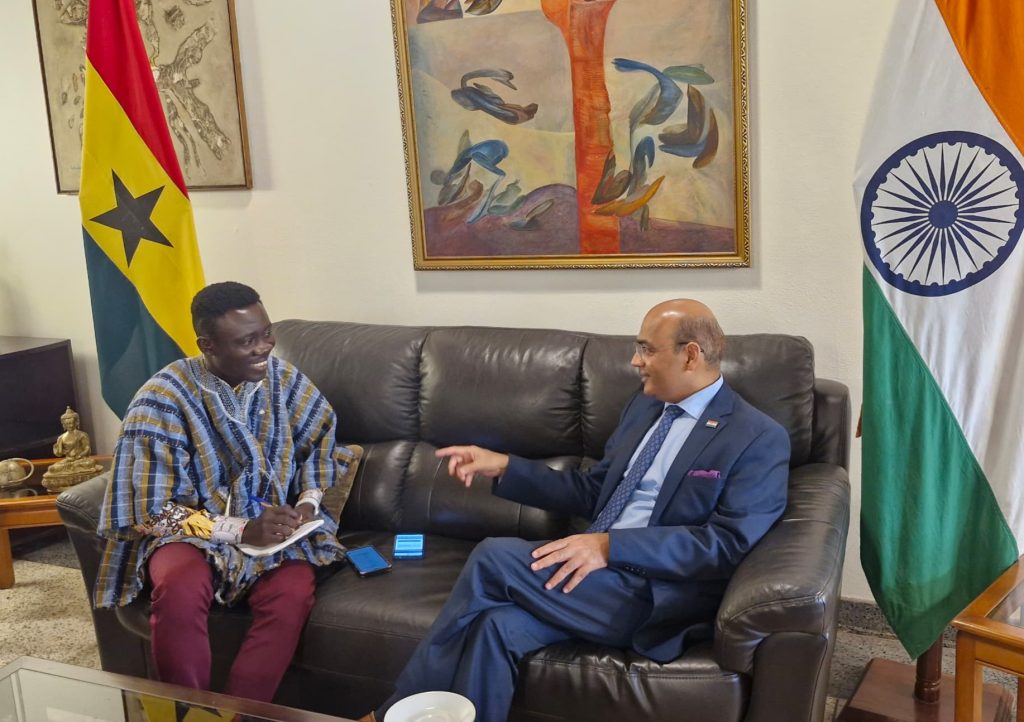
He said when he assumed office, his priorities centred on diversifying trade, strengthening bilateral cooperation, and building stronger links between the peoples of both countries, noting that India–Ghana relations were rooted in historic solidarity dating back to the era of Kwame Nkrumah and Jawaharlal Nehru.
He said another key objective was elevating ties into a modern comprehensive partnership.
Looking back, he said meaningful progress had been made through active institutional and business engagement.
“We have made significant progress, and I would describe the relationship today as being in a sweet spot,” he said.
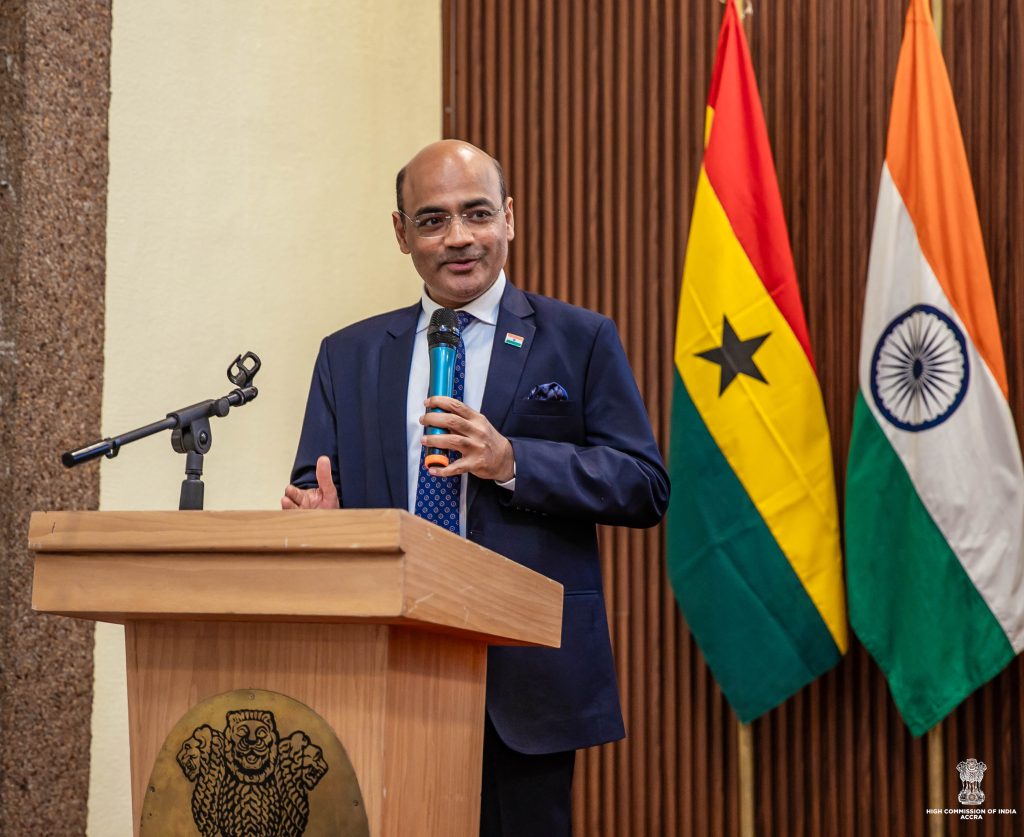
Trade and Investment
On trade and investment, Mr. Gupta said bilateral trade had recorded strong gains, crossing five billion US dollars. He attributed the growth to Ghana’s economic rebound, democratic stability, rule of law, and renewed investor confidence.
He noted that about 25 per cent of Ghana’s gold exports through GoldBod now go directly to India, improving revenue flows to the Government of Ghana while strengthening bilateral trade links.
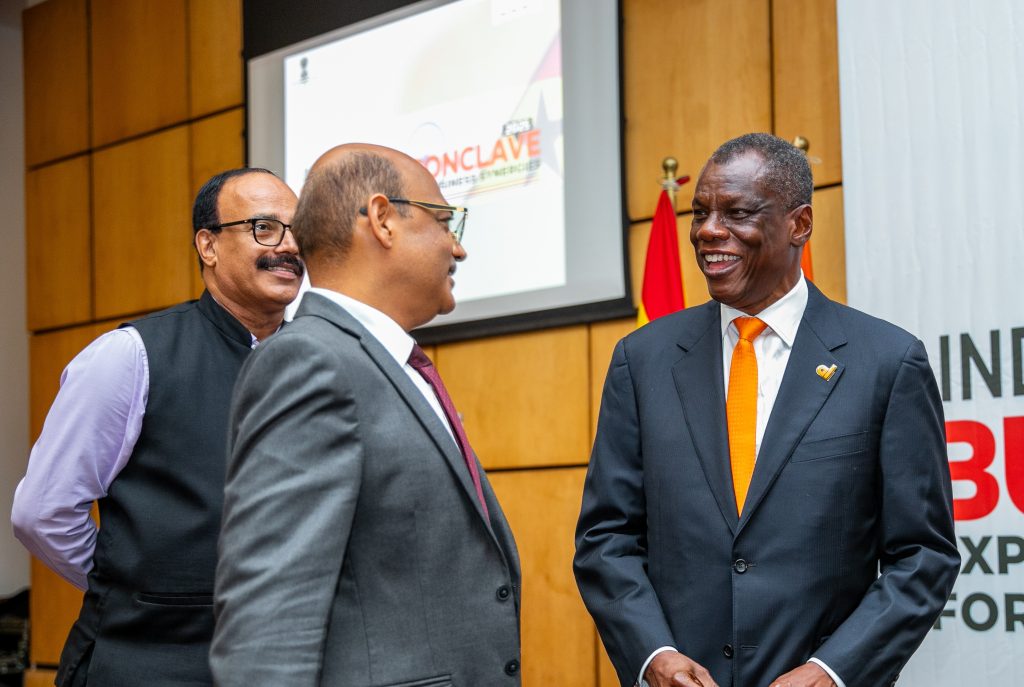
Under his leadership, he said, the High Commission helped mobilize more than 200 small and medium-scale enterprises to explore opportunities in agriculture, health, automotive, energy, power, and construction.
Education and Capacity Building
Mr. Gupta described education and capacity building as one of India’s strongest contributions to Ghana, highlighting expanded scholarships under the India Council for Cultural Relations (ICCR), and training slots under the India Technical Economic Cooperation (ITEC), programme.
He said nearly 500 Ghanaian beneficiaries, whom he described as long-term ambassadors of India–Ghana friendship, are currently enrolled in Indian scholarship and training programmes.
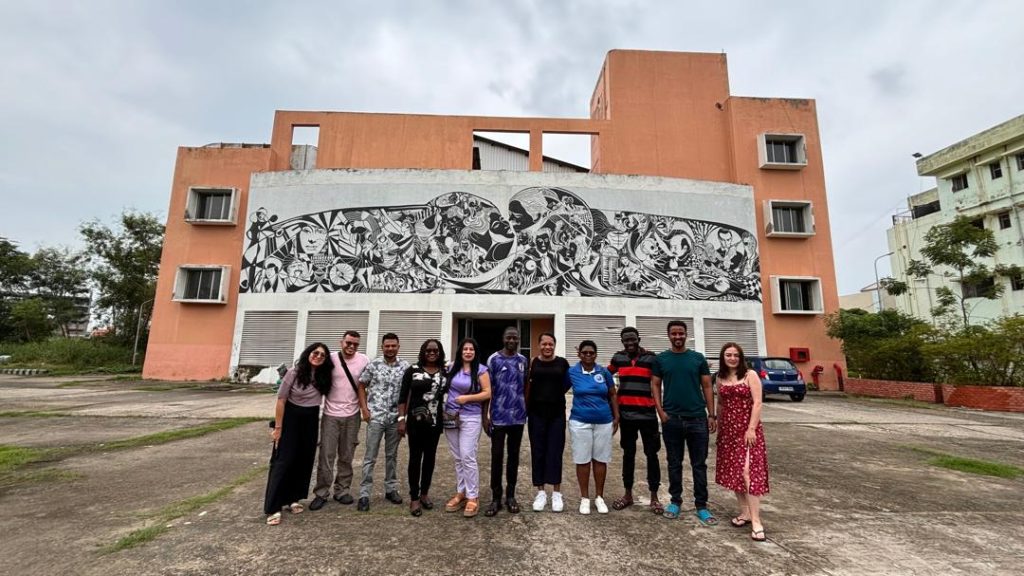
Each beneficiary, he says, represents another bridge between the two countries and strengthens bilateral understanding.
Career Highlights
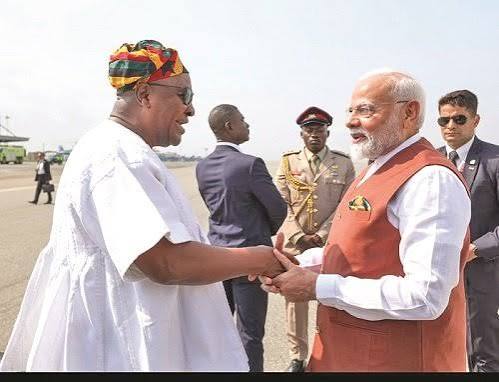
Speaking on his major highlights, Mr. Gupta cited the visit of Indian Prime Minister Narendra Modi as the most visible milestone of his tenure, describing it as a turning point that accelerated bilateral discussions and opened new avenues for cooperation and agreements.
The visit, he said, injected new dynamism into engagements, strengthened institutional frameworks, and elevated ties under a Comprehensive Partnership arrangement.
When asked what he wished he had more time to complete, Mr. Gupta mentioned the Tema–Mpakadan railway line project, saying he would have liked to see it fully operational before his departure. He however noted that diplomatic work is continuous and successors build on existing foundations.
“Diplomatic cooperation is continuous and successors carry forward ongoing work,” he said.
Future Prospects
Assessing the overall relations between both countries, Mr. Gupta said India–Ghana ties are stronger than ever but still hold significant room for expansion.
He pointed to agriculture, healthcare, renewable energy, fintech, and startup-led service innovation as key growth areas, and expressed hope that more Indian startups would partner Ghanaian institutions in skills training and technology services.
He identified services, ICT, solar power, and green energy as high-potential sectors, stressing that transparency and skills development would be critical enablers.
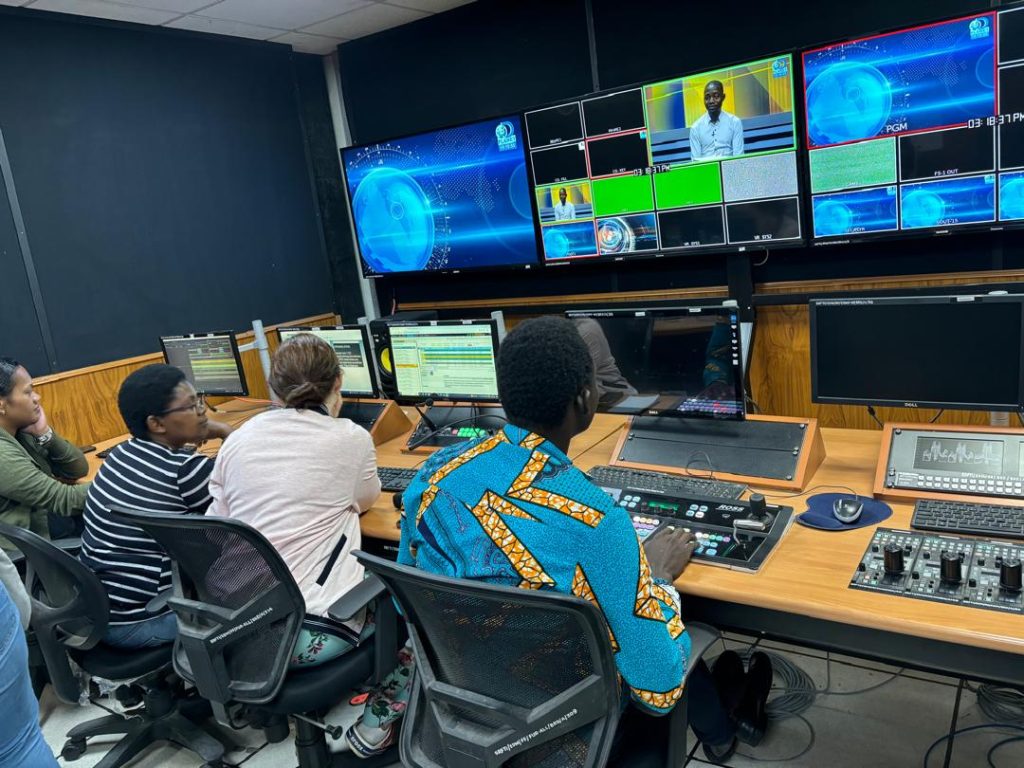
“I am confident that Ghana could emerge as an ICT and digital services hub in the West African region,” he said.
“All that are needed are transparent and accountable systems to get it done,” he added.
He also emphasised the need to move beyond raw exports toward local value addition, especially in gold and cashew processing.
He further highlighted prospects in digital payments integration, fintech systems, and public digital infrastructure to lower transaction costs and improve service delivery, including possible PAPSS–UPI style linkages.
Beyond Diplomacy
Beyond policy and trade, Mr. Gupta who is widely described as approachable and people-centred spoke about the human side of his mission. He said his leadership approach is grounded in affection, openness, teamwork, and mutual respect.
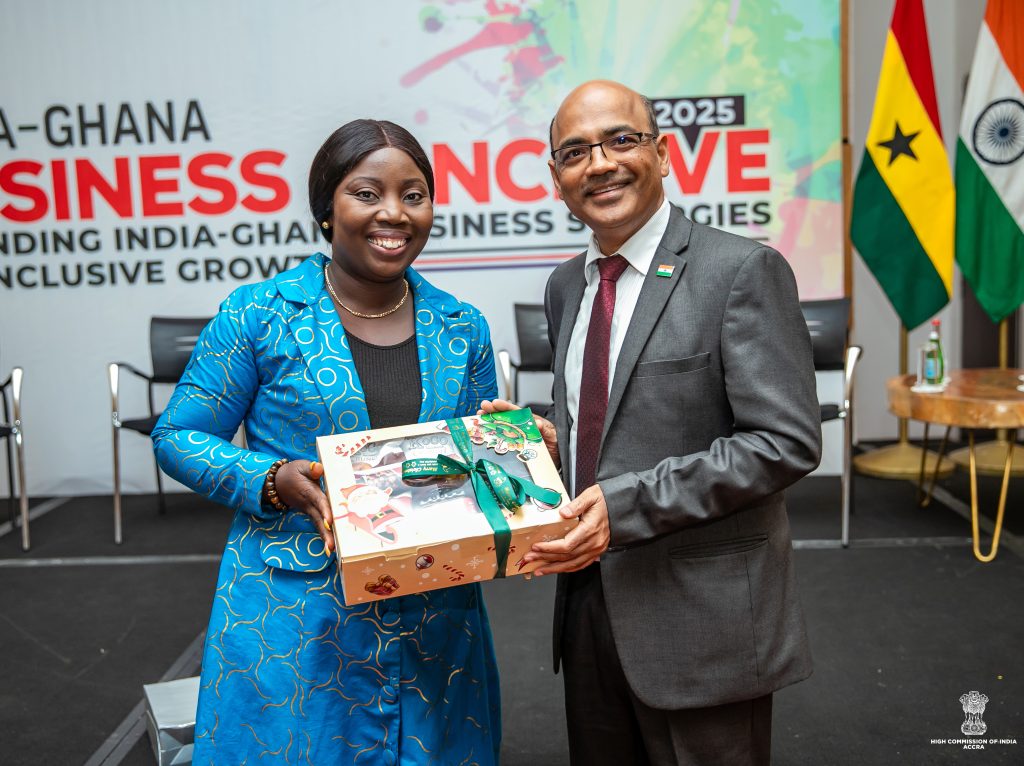
“These qualities are reciprocal and have guided my life and work,” he said.
He praised High Commission staff for their dedication, saying achievements recorded during his tenure were the result of collective effort.
Family
Mr. Gupta is married to Nimeesha Gupta, an educator and writer, whom he described as a major pillar of support with active involvement in cultural and community engagement.
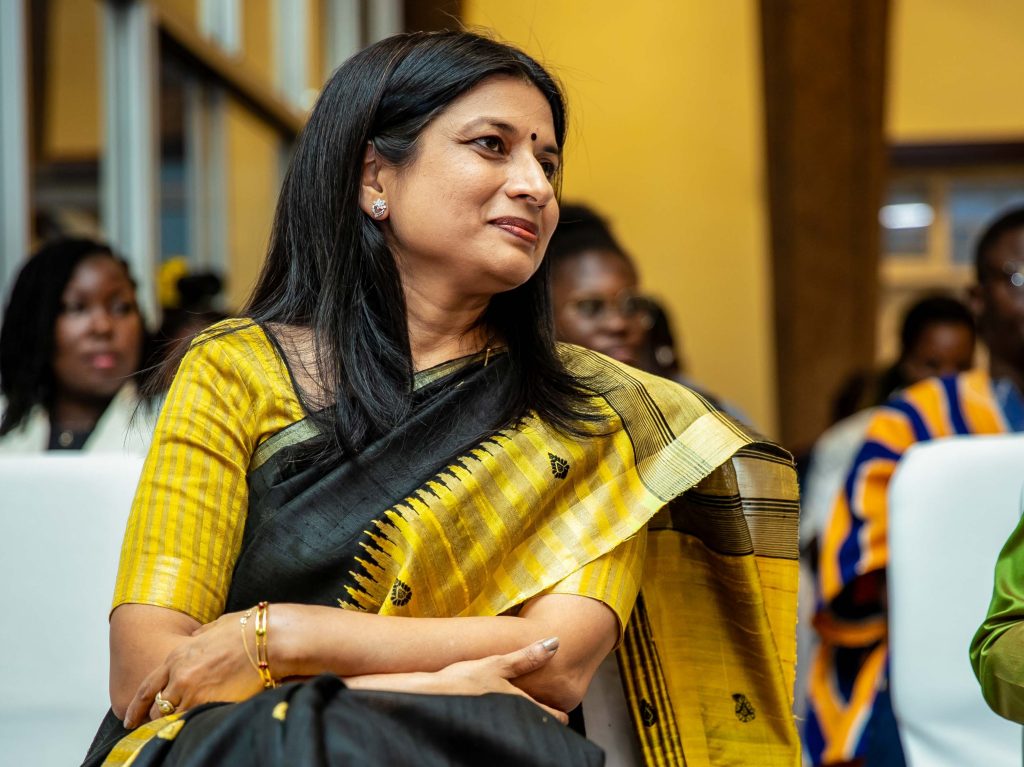
He said beyond her involvement in community and diplomatic engagements, she has authored and published a Ghana-inspired poetry collection titled Woven Strands, dedicated to underserved communities.
Their marriage he said, is blessed with a son who is currently pursuing postgraduate studies in Australia.
Outside Diplomacy
On personal memories, Mr. Gupta said his most defining moments came from interactions with ordinary Ghanaians, citing their warmth, patience, resilience, communal spirit, and respect for elders.
He say Ghana’s natural and cultural experiences from Nzulezu and the Wli Waterfalls, from the Lighthouse in Accra to the Mole National Park and beyond, as well as her cuisines have left a lasting impression on him.
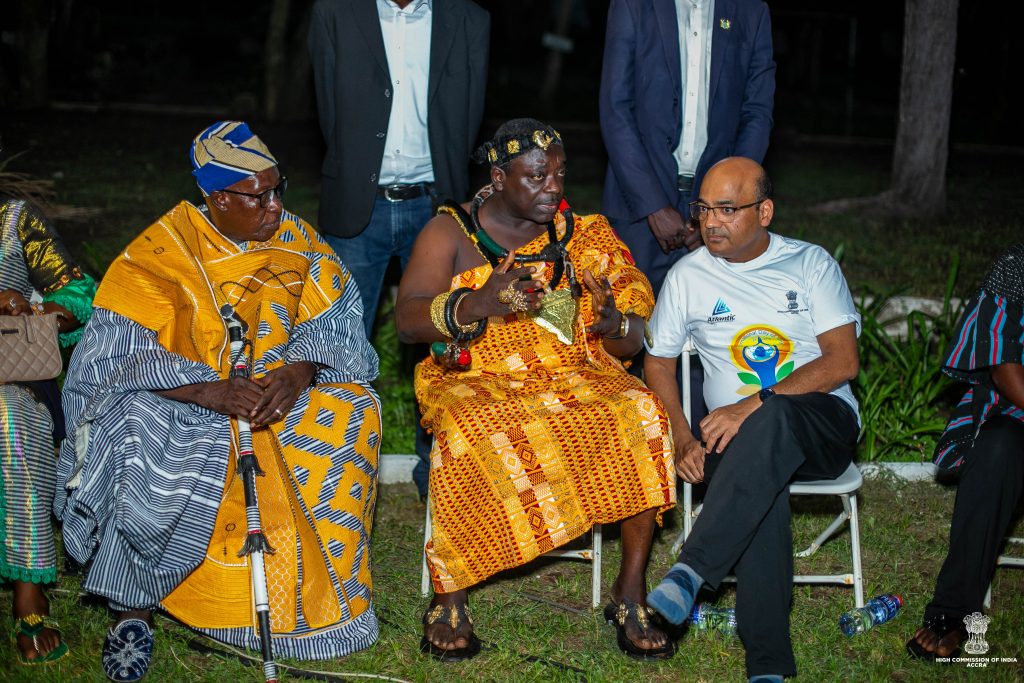
Sharing lighter reflections of his enjoyment of Ghanaian cuisine, including the much talked about Jollof rice, Mr. Gupta rated Ghana’s Jollof rice a nine plus out of 10.
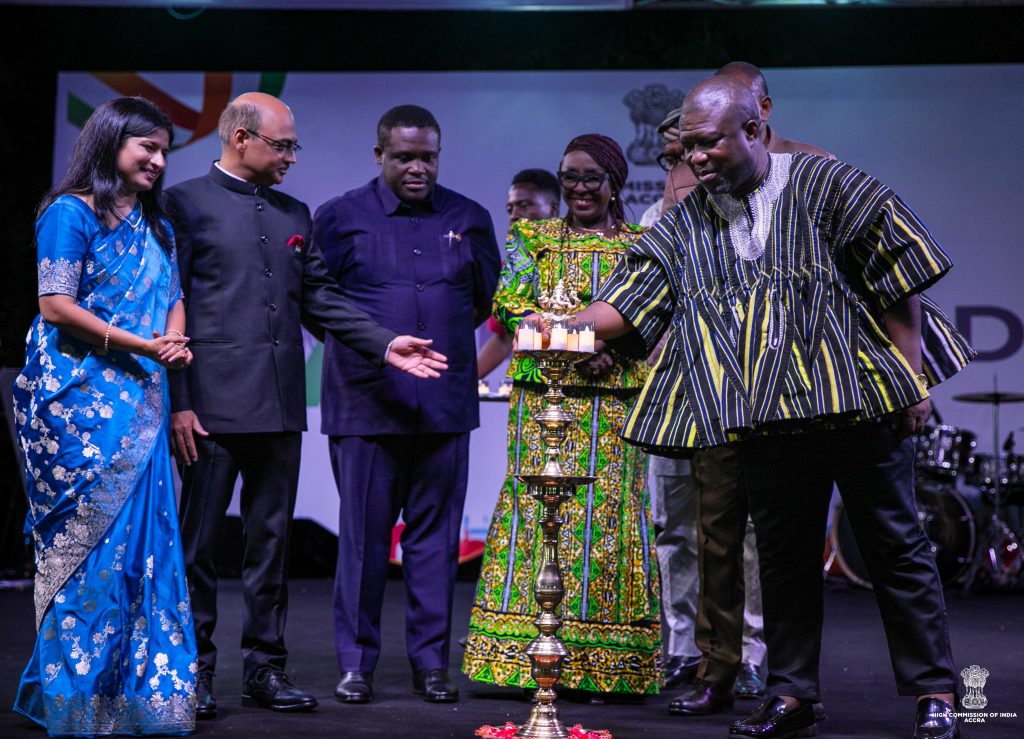
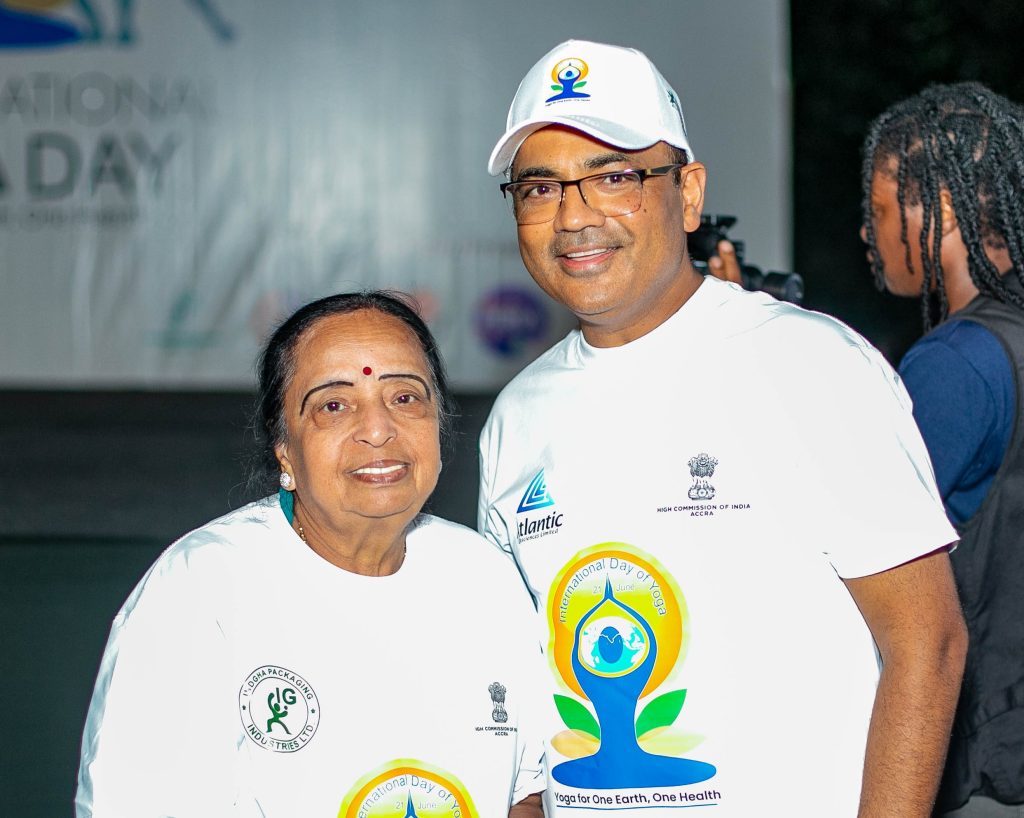
He also cherished cultural exchanges and festivals celebrated with the Indian community.
Parting Words
In his farewell message to Ghanaians, particularly the youth, Mr. Gupta urged continued learning, cultural preservation, and leadership responsibility, noting that the future of the country rests in their hands. He praised their cultural pride and urged them to upgrade their skills in emerging technologies such as AI and blockchain, while preserving national values.
To his staff and management team, he expressed deep appreciation and gratitude for their professionalism and teamwork, saying every success recorded during his tenure was built on collective effort and dedication.
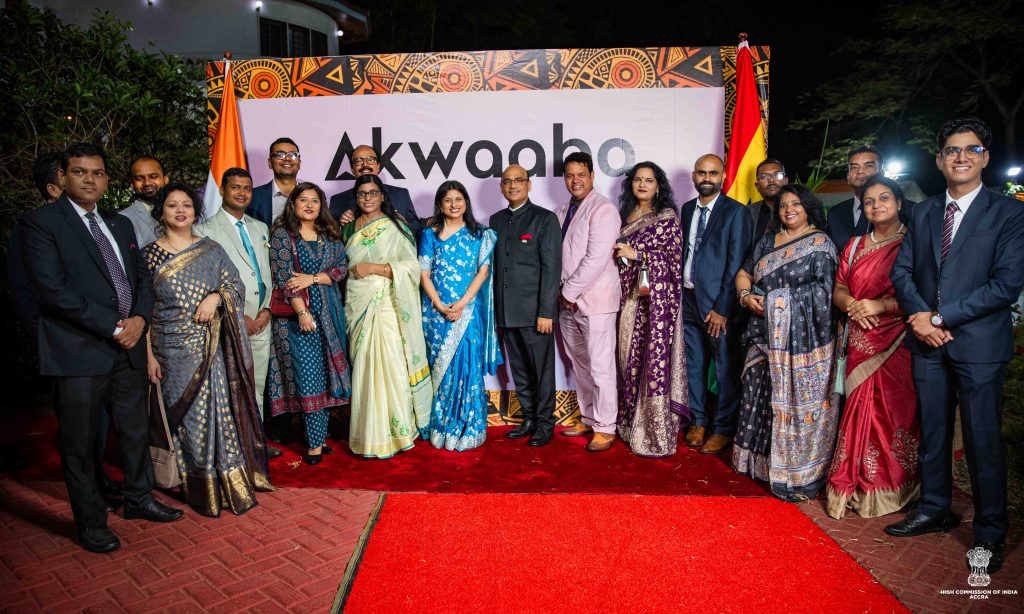
As he prepares to assume his next role as India’s Ambassador to Ireland, Mr. Gupta said Ghana would always remain close to his heart.
“A part of Ghana will always be with us, and we will always remember the warmth, the friendships, and the shared journey,” he said.
While his departure closes one chapter in India–Ghana relations, by his own account, the partnership’s next phase has only begun.
“Ghana doesn’t just welcome you. She adopts you,” his parting words echoed as he took his last glance at his residence.
GNA
13 Feb. 2026
Edited by Samuel Osei-Frempong