By Benjamin A. Commey
Accra, Dec. 18, GNA – Two non-governmental organisations (NGOs) have called on government to urgently establish adolescent-friendly health corners (AFHC) in health facilities across the country, to stem rising cases of sexually transmitted infections (STIs) and teenage pregnancies.
The two NGOs – ActionAid and the Young Urban Women’s Movement (YUWM) warned that the absence of dedicated, youth-focused services was contributing to the surge in these cases, requiring urgent attention.
The call followed findings from a recent survey conducted by the two organisations in two municipalities in the Greater Accra Region — Ga West and Ga South, which revealed that none of the 17 health facilities in Ga South had a designated AFHC, while only five out of 15 facilities in Ga West offered such services, most without dedicated spaces or staff.
An AFHC is a dedicated space within a health facility designed to provide health services, information, and counselling specifically for adolescents (usually ages 10–19) in a way that is safe, private, respectful, and non-judgmental.
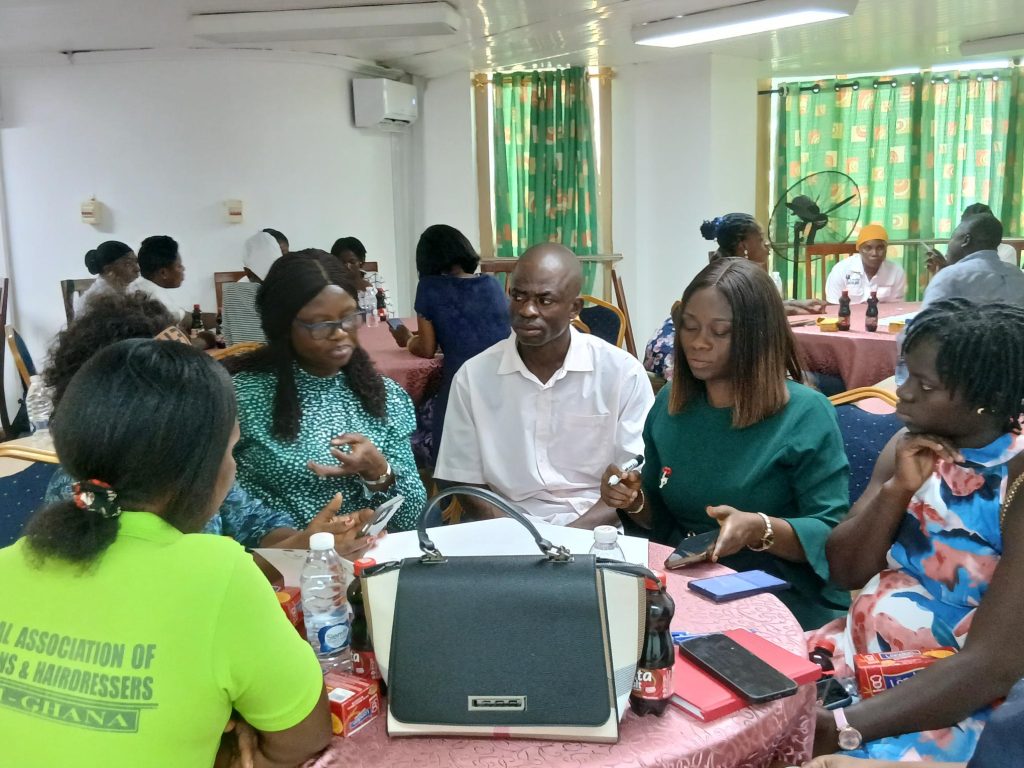
Presenting the findings of the study at a dissemination workshop in Accra, Madam Hawa Tasala Gariba, National Chairperson of YUWM, explained that most adolescents, especially those aged 10 to 19, were coming out with infections like gonorrhoea, syphilis and chlamydia, and many were also getting pregnant.
“Yet when they go to health facilities, they are treated as general patients, which discourages them from seeking help,” she said.
According to her, many adolescents avoided health facilities out of fear and embarrassment, particularly when they risked meeting parents or family acquaintances while seeking sexual and reproductive health services.
Others, she noted, were simply unaware that AFHC existed at all, which called for intensive public education to create the needed awareness.
“Going to a facility and meeting your mother or your mother’s friend while trying to access contraceptives is a big challenge for them. So they don’t go,” Madam Gariba explained.
The survey, conducted over two weeks in August 2025, targeted selected hospitals, clinics, CHPS compounds and adolescents themselves.
The survey was conducted across 50 health facilities in 15 districts in nine regions of the country.
Madam Gariba recommended that every health facility had a clearly designated room or building for adolescents, equipped with appropriate resources and staffed by trained personnel assigned exclusively to youth services.
“Adolescents told us clearly what they want. They want a space that is meant for them, where they feel safe and understood.”
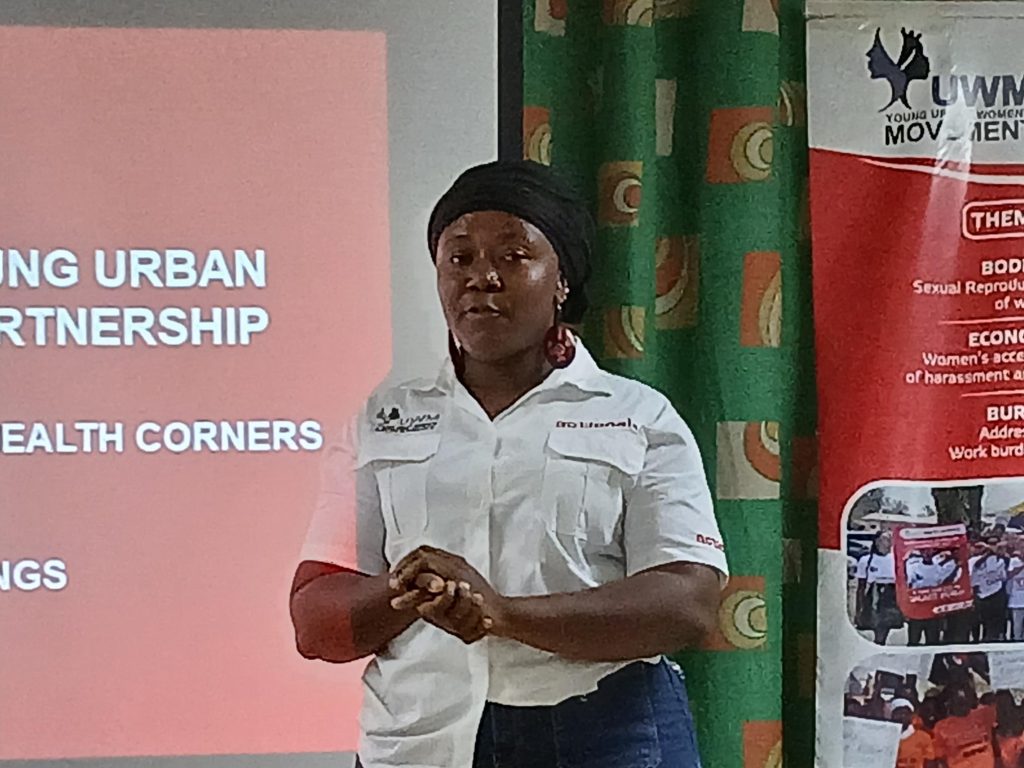
She urged policymakers to allow educators to provide practical, preventive information rather than focusing solely on abstinence.
“You cannot tell a child not to have sex and also refuse to tell them how to protect themselves,” she said.
“If they are already having sex, then let’s tell them the do’s and don’ts and how to prevent diseases.”
Madam Gariba also appealed to parents, teachers, government institutions and civil society to work together to address adolescent sexual and reproductive health challenges.
Mr. Jeffery Osei Adusei, Senior Social Development Officer, Social Welfare Department, Ga West Municipal Assembly, in an interview with the media, said the absence of AFHC in many health facilities across the country was negatively impacting the life of adolescents.
He explained that such support systems were critical in curbing various social vices such as illegal abortions and smoking.
He also called for sustained and stronger state ownership of health interventions for adolescents.
GNA
Edited by Christian Akorlie