By Eunice Hilda A. Mensah
Accra, Dec.09, GNA – Mr Toyibu Issahaku, the Programmes Advisor, Northern Sector Action on Awareness Creation (NORSAAC), has appealed to government to balance the economy’s tax regimes to ensure that policies do not affect the marginalised.
The marginalised include women and persons with disability in the informal sector.
“Taxation in general is unfair to our women who are largely in the informal sector, so we always encourage that there should be some equity in terms of taxation in our country.
“That’s why we are saying that our taxation must be gender-responsive, gender-equitable, and respond to the needs of our very vulnerable women in the society who are largely in the informal economy.” he said.
Mr Issahaku made the appeal at a National Convening meeting on Civil Society Organisations (CSOs) Efforts to demand fiscal justice in Ghana and the UN Tax Convention Negotiations in Accra.
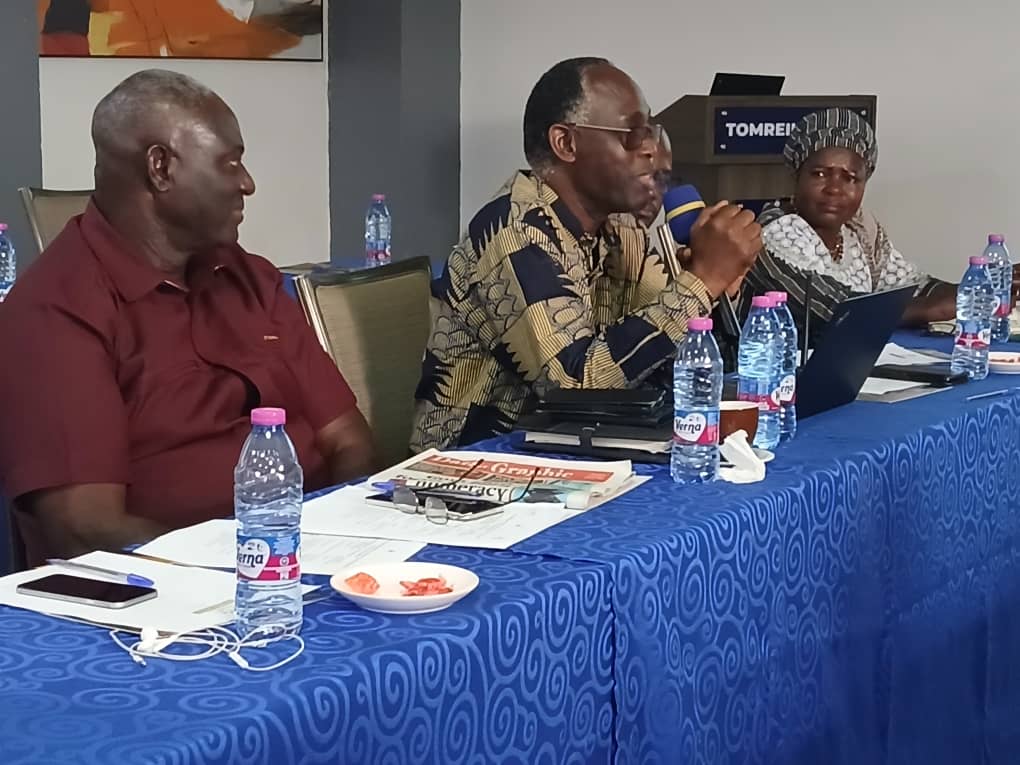
He said those in authority most of the time thought about just formal or corporate taxation, but failed to consider the relations between the formal sector and rural folks and their differences.
“Women are largely in the informal sector. See all these petty traders, all these people who are doing their menial jobs in the markets and the rest, most are women. They have a lot of resources, but normally they don’t have the kind of capital that the men do have.
“They already pay in so many ways to the assemblies, the tax collectives and all those things, but because of the lack of formalization, they lack the capacity to track some of these inflows.
So if you do not involve them in decision-making, you are going to begin to marginalize and alienate them and it makes it difficult for them to fully participate in the tax regime,” he said.
Mr Issahaku said it was prudent to consider everyone involved fairly in payment of taxes, adding: “So that one group of people do not suffer unjustly from these decisions. That is why we are calling for a more equitable regime in terms of their taxation.”
He admonished government to give the marginalised a voice and make taxation respond directly to their needs and limit the impact on them.
“Take E-levy, for example, these marginalised women that were doing these transactions online every time, paid so much. Meanwhile, many of the corporate people did bank transactions and avoided some of these electronic levy transactions,” he added.
Mr Issahaku, speaking about the Fairtax project of NORSAAC, said it was a Norad-funded project that sought to improve district revenue mobilisation by making tax revenue more progressive and gender sensitive by leveraging the power of media and civil society
As civil society organisations, Madam Patricia Blankson Akakpo, the Head of Secretariat, NETRIGHT, said they were securing and enhancing lives of the marginalised by ensuring that economic and social policies, as well as development interventions, focused on their integration to promote and sustain their welfare and development.
A tax justice, she said enhanced social justice, adding that a fair, transparent, and accountable tax system was essential for achieving dynamic development aspirations including the sustainable development goals.
Ms Akakpo noted that in the growing economy, all should bear in mind that what happened at the global level had an impact at the national level.
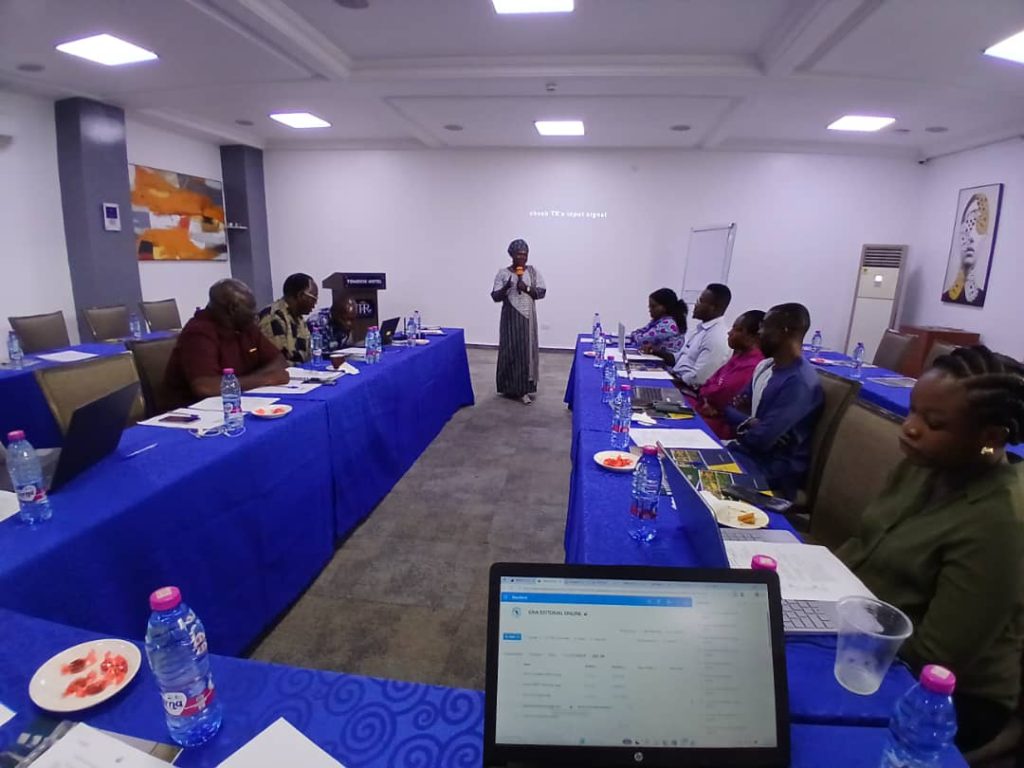
“The ongoing global expectations on the UN framework for conventional and international tax operation is directly linked to civil society. It is, therefore, critical that CSO’s working on fiscal and tax justice take into consideration addressing the ongoing negotiation processes on the United Nations tax operation,” she said.
Mr Daniel Nuer, a Technical Advisor to the Ministry of Finance, speaking about the “UN Framework Convention on International Tax-Co-operation”, said the international tax architecture had changed significantly over the past two decades because of the conduct of business across borders and digitalisation.
It had also changed due to the surge and consolidation of multinational and transnational entities, the easy movement of money and illicit financial flows.
Mr Nuer said additional demands on national budgets due to national development needs; and sustainable development and climate change had also had an effect on it.
“This has led to numerous initiatives to ensure that nations receive their fair share of revenue generated from their jurisdictions,” he explained.
NORSAAC is an organisation dedicated to championing an improved quality of life for empowered women, youth, and marginalized groups in order to improve social change and the living conditions of citizens.
GNA
Edited by George-Ramsey Benamba