Accra, Oct. 13, GNA – Oxfam Ghana has reiterated its commitment to supporting African governments in tackling illicit financial flows (IFFs), which continue to undermine the continent’s quest for financial independence and sustainable development.
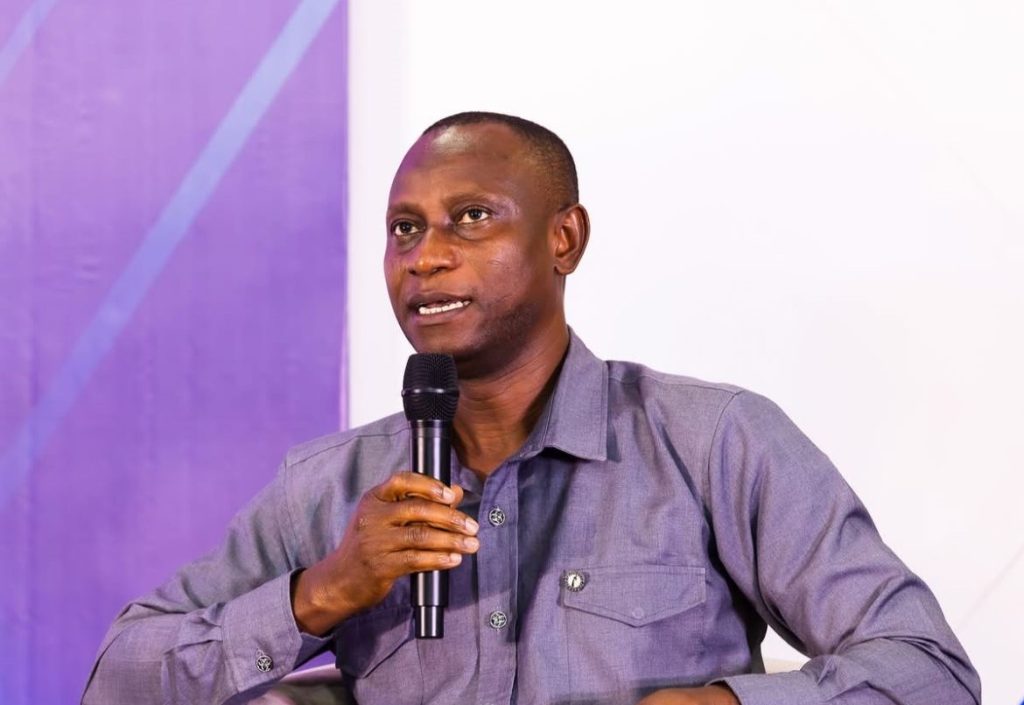
Speaking at the 2025 West Africa Media Excellence Conference and Awards (WAMECA) in Accra, Mr. Mohammed Mahamud, Programme and Policy Manager, Accountable Governance at Oxfam Ghana, said Africa could only achieve true financial sovereignty if it curbed the persistent loss of domestic resources through illicit channels.
“Oxfam believes Africa can only be financially independent when it stops or drastically reduces the flow of funds from the continent through illicit means,” he said during a panel discussion on the theme “Guaranteeing Africa’s Financial Independence: The Role of Fintechs in Combating Illicit Financial Flows.”
Mr. Mahamud said Oxfam worked globally and locally to strengthen tax systems, build the capacity of civil society and media, and provide evidence to governments on how to plug fiscal leakages.
“Our role as an NGO is to provide evidence that shows how these flows happen, and support authorities to design systems to prevent them,” he said.
He identified base erosion and profit shifting by multinational companies as major contributors to IFFs, particularly in Africa’s extractive sector.
“These corporations move profits from the countries where they operate to low-tax jurisdictions that have nothing to do with the income generated,” he noted, describing such practices as “corporate corruption” that deprives African nations of vital revenue.
Oxfam’s interventions, he said, include the establishment of Fair Tax Monitors across several countries to help governments and tax authorities track the practices of corporations and detect irregularities in tax administration.
On the role of technology, Mr. Mahamud said financial technology (Fintech) platforms could be both a solution and a risk.
“Fintechs can support transparency, real-time monitoring, and identity verification. But they can also be exploited for money laundering and tax evasion if regulations fail to keep pace with innovation,” he warned.
He urged African governments to strengthen regulatory oversight of digital financial systems while enhancing collaboration among financial intelligence units, tax authorities, and the media to detect and prevent illicit transfers.
Oxfam Ghana has, in recent years, implemented a series of initiatives under its Tax for Development and DANIDA Strategic Partnership programmes to strengthen fiscal justice and fight IFFs.
Working with the Media Foundation for West Africa (MFWA), Oxfam has trained journalists, developed a media guide on IFFs and progressive taxation, and supported investigative reporting on corruption and illicit finance.
Between July and September 2025, ten journalists benefited from an Oxfam-funded fellowship that produced several investigative reports on tax evasion and illicit flows.
These efforts are contibuting to increasing public awareness of fiscal justice issues and strengthened collaboration between the media, civil society, and anti-corruption agencies such as the Economic and Organised Crime Office (EOCO) and the Financial Intelligence Centre.
A recent Oxfam-supported study estimated that Ghana loses about $3 billion annually to illicit financial flows.
GNA