By Kodjo Adams
Accra, June 13, GNA- The University of Ghana Student Venture Support Programme (SVSP) has been launched in Accra to motivate students to embrace innovation to solve societal problems.
The programme is in its fourth phase and aims to create a platform to nurture and equip student entrepreneurs with skills to navigate the Ghanaian entrepreneurial landscape.
The British Council is funding the programme with support from the Impact Hub Accra and Imperial College London.
This year’s beneficiary institutions are the University of Ghana, Kwame Nkrumah University of Science and Technology, University of Cape Coast, and the University of Development Studies.
Professor David Dodoo Arhin, the Director, Research and Innovation Directorate, University of Ghana, at the launch of the programme, said since its inception, it had become a cornerstone to promoting student entrepreneurship.
The programme had produced more than 300 students with real-time entrepreneurial skills to navigate and make meaningful impacts in the emerging economy.
Prof Arhin encouraged the students to embrace the training with passion, saying: “Every great innovation begins with an idea.”
He said the programme would unearth future innovators and provide mentorship and seed funding to help them turn business ideas into scalable ventures.
It is also expected to connect students with industry leaders and other entrepreneurs to foster valuable connections.
Mrs Abbie Ninson, the Entrepreneurship and Innovation Manager, Imperial College, commended the organisers for sustaining the initiative to nurture the potentials of students.
She said the programme had made a profound impact through job creation, hoping that the fourth cohort would unearth the needed innovation among the future leaders.
Prof Felix Asante, Pro-Vice-Chancellor of Research Innovation and Development, University of Ghana, underscored the importance of collaboration to revolutionise entrepreneurship among the students.
“I want to see start-ups that will do things right through innovation and employ more people to address the unemployment challenges,” he said.
The representatives of the participating institutions acknowledged the importance of the programme, which is to inculcate in them the spirit of entrepreneurship to drive sustainable national development.
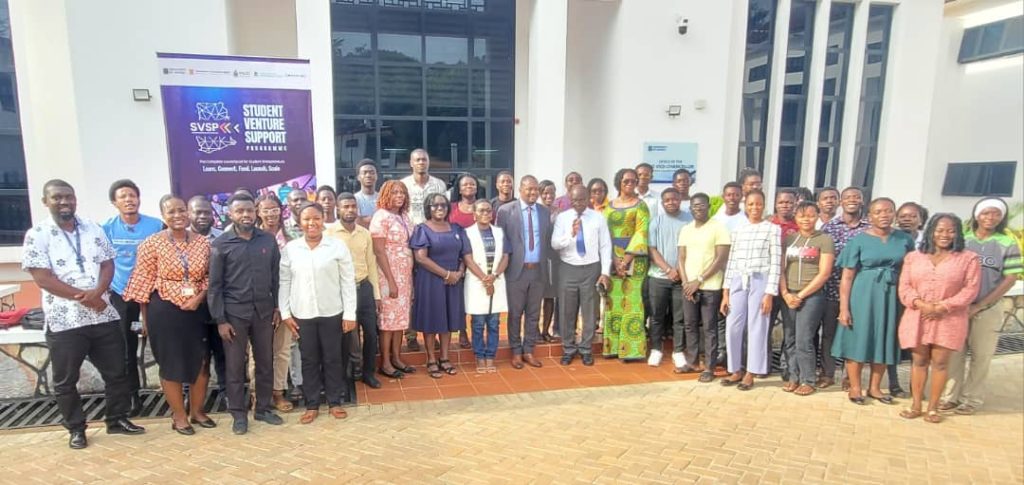
The students from the participating universities are grouped in teams and will undergo an intensive six-week training, including master classes.
They will receive mentorship on personalised education and coaching, operational support for legal and financial options, and guidance on grant opportunities.
There is also an opportunity for the top three emerging winners to receive a startup mentorship package from Impact Hub.
The programme will be climaxed with a live pitch to an audience, dubbed: ‘National Demo Day’ in August.
GNA
Edited by Agnes Boye-Doe