By James Amoh Junior
Accra, May 15, GNA – Stakeholders have begun a high-level review of the Second National Action Plan (NAP) on Women, Peace and Security (WPS), bringing together key actors to assess progress, identify gaps, and lay the groundwork for a more inclusive and responsive third plan.
The review forms part of the national commitment to the United Nations Security Council Resolution (UNSCR) 1325, which advocates the active participation of women in peace and security processes.
As the global community marks 25 years since the adoption of the landmark resolution, stakeholders are reflecting on how well the country has implemented its obligations and shape the future with local realities in mind.
The Second National Action Plan (2017–2024), also known as GANAP II, was developed to strengthen institutional frameworks, increase women’s participation in peacebuilding, and safeguard the rights of women and girls in conflict and post-conflict settings.
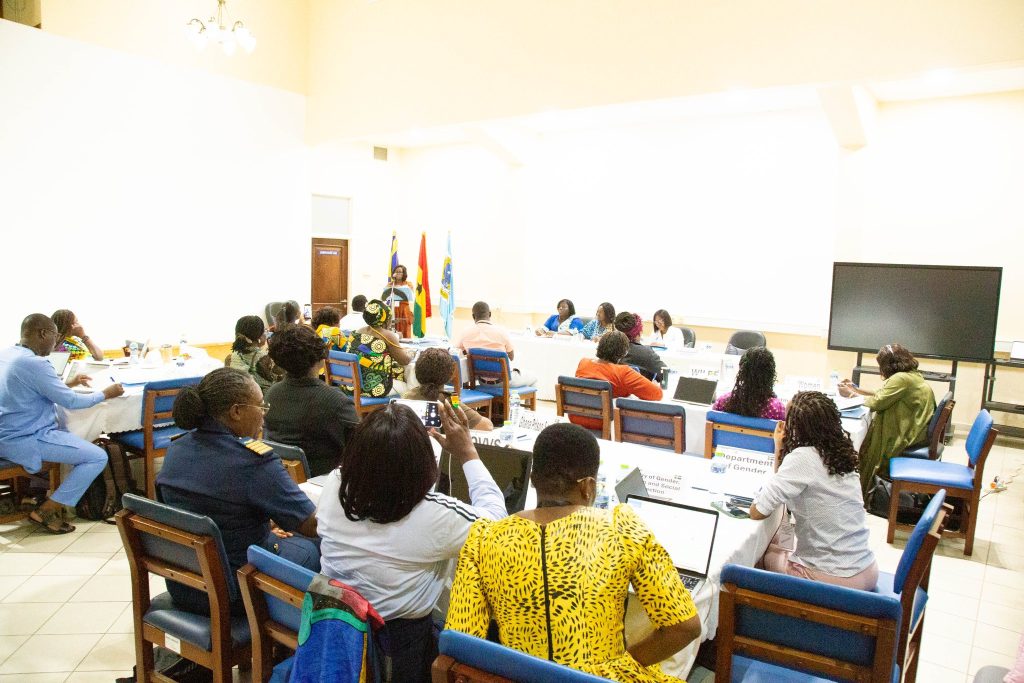
The workshop brought together representatives from government ministries, civil society, academia, and security agencies to evaluate the implementation of GANAP II, which has served as a national roadmap for integrating gender perspectives into peace and security efforts.
The outcomes from the workshop will inform the design of the Third National Action Plan (GANAP III), with the goal of creating a resilient, inclusive framework that empowers women and enhances peacebuilding efforts nationwide.
It was made possible through financial support from the Government of Sweden – a long standing partner in advancing the Women, Peace and Security agenda globally and in Ghana.
Ms. Horname Noagbesenu, Director, Policy, Planning, Monitoring and Evaluation, KAIPTC, speaking at the three-day stakeholder workshop at the Kofi Annan International Peacekeeping Training Centre (KAIPTC), underscored the importance of the exercise.
She called for a candid and rigorous review of the Second National Action Plan (GANAP II), encouraging participants to assess both achievements and shortfalls.
She stated, “The next phase of this national agenda must be built upon the foundation we have laid while responding to the evolving security landscape with renewed commitment and strategic foresight.”
Ms Noagbesenu, also the Acting Director of the Women, Youth, Peace and Security Institute (WYPSI), noted that Ghana’s adoption of the UN Security Council Resolution 1325 marked a transformative moment in the global pursuit of gender equity in peace and security.
“Ghana has demonstrated laudable leadership and commitment to the development and implementation of our national action plans, which have served as critical instruments in advancing the inclusion, protection, and empowerment of women in peacebuilding and national security,” she said.
According to her, the objective of the review went beyond reflection, urging participants to reimagine and develop a Third National Action Plan that was grounded in evidence, tailored to Ghana’s unique context, and capable of effectively responding to both existing and emerging security challenges.
Mrs. Joana Opare, Member, National Peace Council, stressed the necessity for inclusivity and sustainability in the next phase of the action plan.
“We are reviewing to find out what the success stories are, what the challenges are, and what emerging issues we must consider, including how to ensure inclusivity for youth, persons with disabilities, and all affected by conflict,” she said.
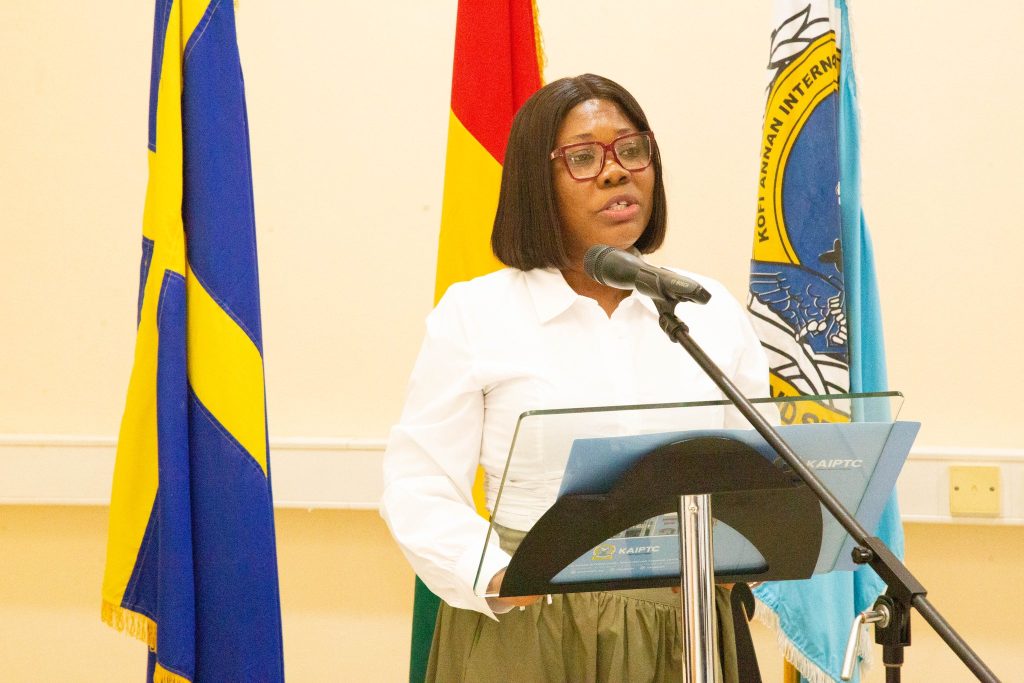
Mrs. Opare emphasized the importance of grounding the next action plan in the local context, questioning “What issues are they? Which conflicts are they? How are they impacting women and children?”
The action plan, she further stressed, must be owned by stakeholders and tailored to their specific needs.
Ms Dorothy Barnes, Programmes Officer, Foundation for Security and Development in Africa (FOSDA), revealed that independent monitoring showed a modest 20.84 per cent implementation rate of GANAP II across six key institutions.
“This is not just a space for presenting success stories, we are here to document both our efforts and our challenges, and to come up with actionable recommendations that will drive an inclusive and effective third plan,” she stated.
Ms Barnes emphasized that the WPS agenda should be recognized as a national agenda and that, “It must reflect the needs of everyone, whether at the grassroots or national level – men, women, old or young.”
GNA
CA