By James Amoh Junior, GNA
Accra, Nov. 25, GNA – Stakeholders have called for increased investment in youth skills development, quality education, decent employment and sexual and reproductive health and rights (SRHR) to enable Ghana harness the economic opportunities presented by its changing population structure.
The call was made at a High-Level National Demographic Dividend Policy Dialogue held in Accra on Wednesday, bringing together policymakers, development partners and youth representatives to discuss strategies for translating Ghana’s growing youthful population into sustainable economic growth.
The dialogue, convened by the National Population Council (NPC) in collaboration with the National Development Planning Commission (NDPC), with support from the United Nations Population Fund (UNFPA), sought to secure high-level policy commitments towards coordinated and sustained investments in young people.
Participants emphasised that although Ghana’s growing working-age population presented a significant opportunity for economic transformation, the benefits would not materialise automatically without deliberate investments in human capital, job creation and effective governance.
They said the country needed to move beyond discussions and translate demographic evidence into funded programmes, institutional responsibilities and measurable development outcomes.
Mrs Angelina Kodua-Nyanor, Executive Director of the NPC, said about two million young people, representing one in every five, were neither in education, employment nor training.
She highlighted the challenges confronting many Ghanaian households and underscored the urgency of investing in education, employment and reproductive health services.
Mrs Kodua-Nyanor said Ghana had approximately 12 million young people, describing them as the largest generation of young people in the country’s history.
She urged policymakers to ensure that young people were equipped with the skills, opportunities and support required to contribute meaningfully to national development.
The Executive Director noted that Ghana’s fertility rate had declined from an average of 6.4 children per woman in 1988 to 3.9, creating a population structure with a relatively larger working-age population.
However, she cautioned that while a youthful population was a demographic reality, a demographic dividend was an economic achievement that required deliberate policy choices and investments.
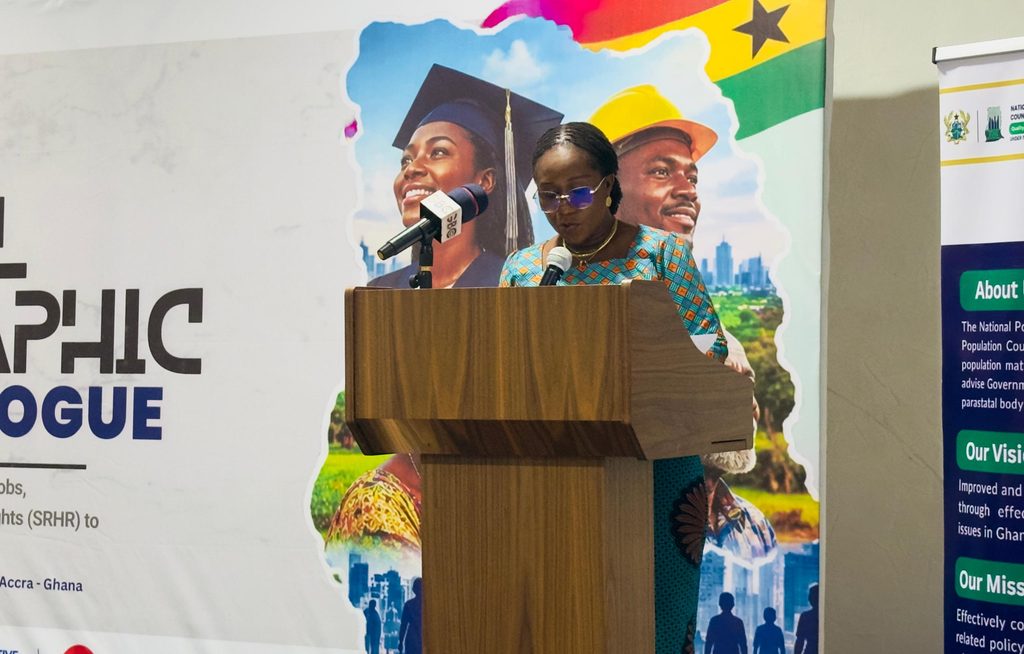
Mrs Kodua-Nyanor said investments in girls’ education, youth-friendly health services, and technical and digital skills were interconnected and should not be treated as competing priorities for limited resources.
Referring to findings from a UNFPA survey involving more than 108,000 young adults across 73 countries, she said financial difficulties were preventing many young Ghanaians from pursuing their aspirations relating to relationships, marriage and childbearing.
Mrs Sarah Woode of the Ghana Statistical Service (GSS) said Ghana’s changing population structure presented both opportunities and risks, depending on how effectively the country invested in its growing working-age population.
She explained that the demographic transition was characterised by declining fertility, increasing life expectancy, and a growing proportion of young and working-age people.
Citing population projections, she said Ghana had approximately 12 million people aged between 15 and 35 years in 2025.
Mrs Woode further disclosed that about two million people within that age bracket were neither in employment, education nor training, with more than 60 per cent of them being women.
She said more than 70 per cent of young people within the age group were engaged in informal employment, raising concerns about the quality and productivity of available jobs.
Mrs Woode warned that failure to create adequate economic opportunities could lead to increased migration, frustration, social tensions and political instability.
Professor S. O. Kwakye of the Regional Institute of Population Studies, University of Ghana, said the demographic transition required Ghana to rethink its development priorities, particularly in employment, healthcare, education and governance.
He observed that although the proportion of the working-age population was increasing, many young people remained unemployed, undermining the country’s ability to benefit fully from the changing population structure.
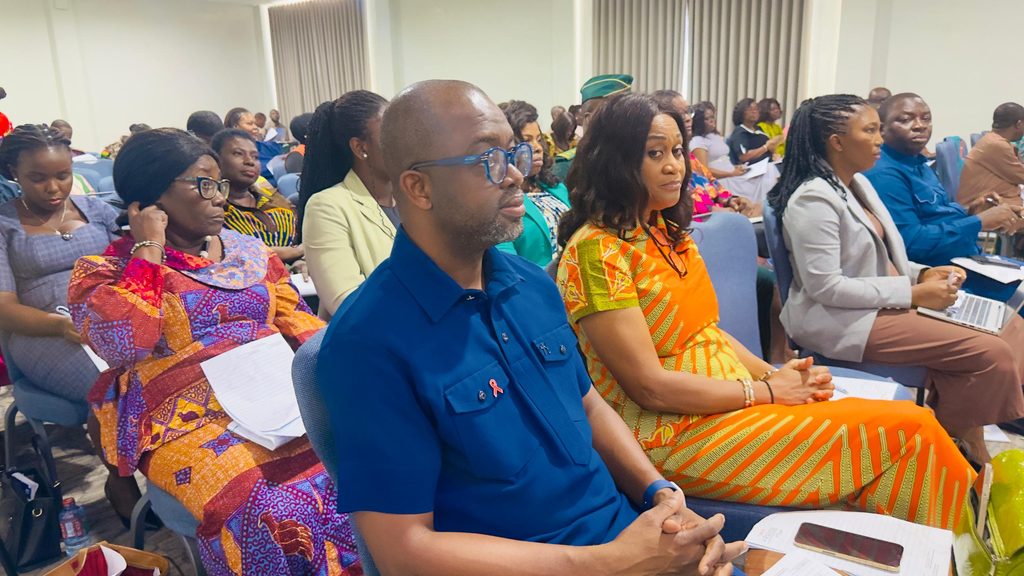
Prof Kwakye said the growing number of people entering the labour force could become an economic advantage only if the economy generated sufficient employment opportunities.
He also raised concerns about barriers to young people’s access to family planning services, including attitudes among some service providers towards unmarried young people.
According to him, such attitudes could discourage young people from seeking appropriate reproductive health information and services, potentially exposing them to unintended consequences.
He called for a more inclusive approach to youth development, supported by reliable data that recognised the different needs of adolescents, young adults and other population groups.
Mrs Vera Baffoe, Principal Planning Analyst, said recommendations from the dialogue must inform Ghana’s national development planning processes, including the Medium-Term National Development Policy Framework and the consolidated national development plan.
She said the NDPC had been coordinating Ghana’s demographic dividend agenda since 2017 and had worked with the NPC, UNFPA and technical institutions to develop a demographic dividend roadmap, a common resource framework, the Demographic Dividend Model and National Transfer Accounts.
Mrs Baffoe cited Ghana’s Human Capital Index of approximately 0.45, indicating that a child born in the country today could realise only about 45 per cent of his or her potential productivity under prevailing conditions.
She said addressing gaps in education, adolescent pregnancy, poverty and skills development was essential to improving the country’s human capital and productivity.
GNA
Edited Lydia Kukua Asamoah
23 November 2026
Reporter: James Amoh Jnr
Email: [email protected]