By Godwill Arthur-Mensah, GNA
Accra, Nov. 18, GNA – Stakeholders in Ghana’s land acquisition sector are calling for reforms to address challenges surrounding compulsory land acquisition and compensation, particularly disputes and delays that undermine the execution of public development projects.
At the opening of a two-day forum in Accra on Wednesday, they said it was important to ensure equitable compensation to protect the rights and interests of affected persons and sustain public confidence in development projects.
The forum, on the theme: “Land Acquisition and Compensation Associated with Development Projects in Ghana: Challenges and the Way Forward,” brought together surveyors, land acquisition institutions, including the Lands Commission, and officials of the Ministry of Roads and Highways to deliberate on the challenges and explore practical solutions.
Organised by the Ghana Institution of Surveyors, in collaboration with the Lands Commission, the Ministries of Roads and Highways and Lands and Natural Resources, the forum seeks to promote constructive engagement and strengthen collaboration among key stakeholders to improve the country’s land acquisition and compensation framework.
Alhaji Dr Yusif Sulemana, the Deputy Minister of Lands and Natural Resources, emphasised the need for fair and equitable compensation for landowners whose lands were compulsorily acquired for public development projects.
He said compensation arrangements must comply with the Land Act, 2020 (Act 1036), and uphold the principles of fairness and protection of property rights enshrined in the 1992 Constitution.
“Equitable compensation is essential to protecting the rights and interests of affected persons and sustaining public confidence in development projects,” he said.
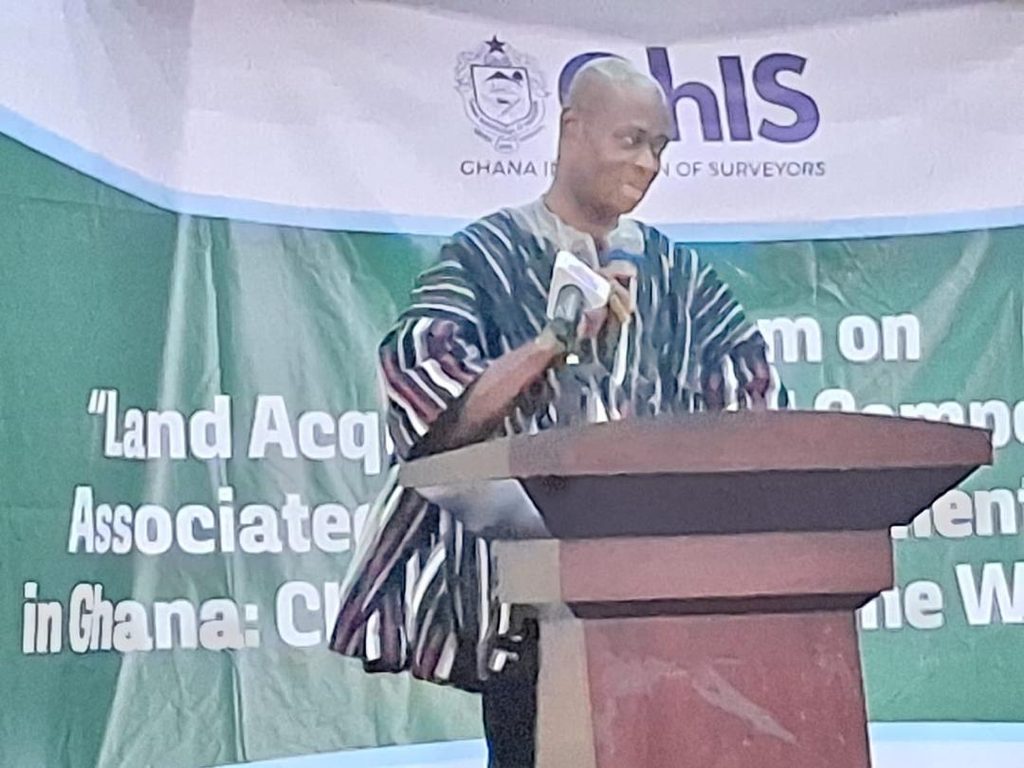
The Deputy Minister noted that transparent, fair and lawful compensation processes would also help minimise disputes and foster cooperation between landowners and government agencies.
Mr Emmanuel Kofi Cobbold, President of the Ghana Institution of Surveyors, said the Government controlled only about 20 per cent of land in the country, while the remaining 80 per cent was owned by stools, skins, families and individuals.
He said compulsory acquisition remained an important mechanism for securing land for roads, housing, energy and other critical infrastructure, given the predominantly private and customary ownership of land in the country.
However, Mr Cobbold stressed that landowners whose properties were acquired for public projects must be adequately and promptly compensated to minimise litigation and delays in project implementation.
He said compensation-related disputes had become a major impediment to the execution of public development projects, often resulting in prolonged court proceedings, stalled works and additional costs to the state.
“In the rush to undertake development projects, compensation obligations are sometimes inadequately addressed, leaving affected landowners dissatisfied and triggering disputes that could delay project completion,” he said.
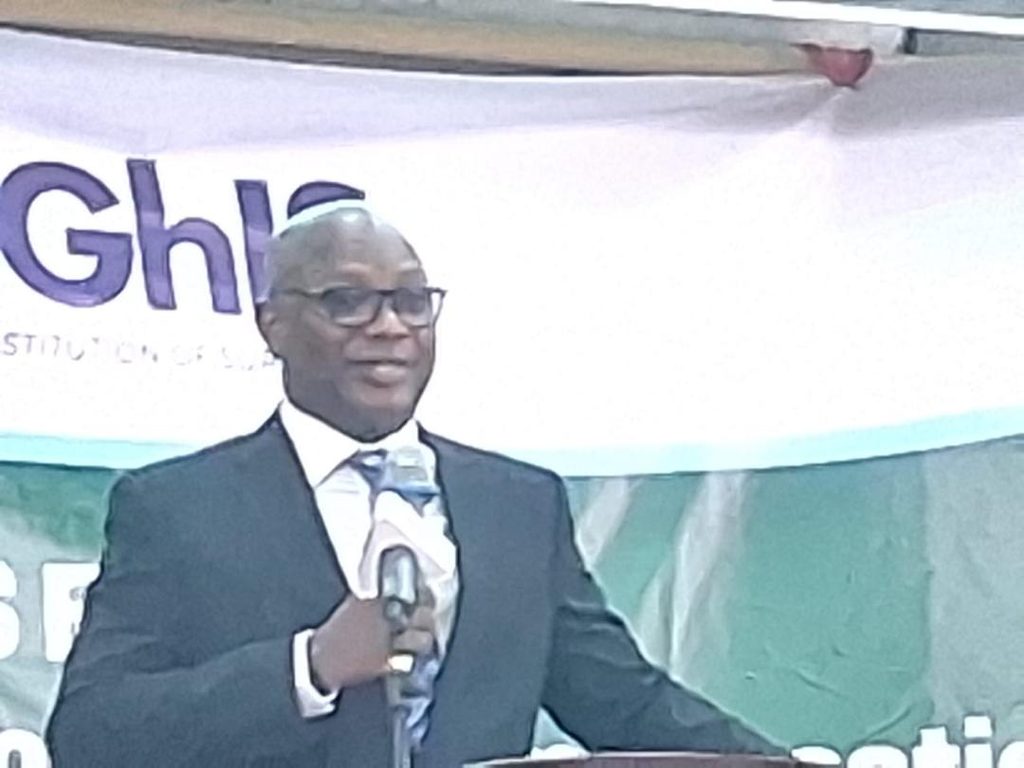
Mr Cobbold called for stronger collaboration among state institutions, professional bodies and landowners to improve land valuation, promote transparency and strengthen confidence in the compulsory acquisition process.
Participants are expected to deliberate on practical measures to improve compensation mechanisms, minimise disputes and enhance the efficiency of land acquisition processes to support the country’s development agenda.
GNA
Edited by Agnes Boye-Doe
Reporter: Godwill Arthur-Mensah
Email: [email protected]