A GNA Feature by Anthony Adongo Apubeo
Nayorigo (U/E), Nov. 27, GNA – About 1800 hours, in the evening of May 22, 2026, Ayampoka Awine, who was in labour was rushed to the Nayorigo Community-based Health Planning and Services (CHPS) compound in the Bongo District.
Having arrived at the facility, she expected to find a health worker ready to attend to her and help bring her baby into the world. However, the resident midwife was nowhere to be found.
The midwife, Ms Regina Anaba, had gone in search of water, a basic necessity that the health facility that provided maternal and child healthcare services, was readily not available.
In pain, anxious and uncertain about what to do next, Ayampoka could only wait and look around for help. As her labour progressed, the absence of the health worker became an even greater source of anxiety.
By the time the midwife returned with water, the baby was almost out. However, her timely arrival and assistance helped avert what could have been a more distressing situation for the expectant mother.
But the struggle did not end with the delivery.
Having just delivered a baby, Ayampoka needed water to clean herself, wash the items used during childbirth and prepare to hold and breastfeed her newborn.
However, there was no water available at the facility.
In an act of compassion, the midwife had to use some of the water she had fetched, which she had intended to use to prepare her own food, to help Ayampoka wash herself so she could change and hold her baby to breastfeed.
It was a difficult beginning to motherhood, with a woman who had just delivered her baby depending on water fetched for a health worker’s personal use to meet her basic post-delivery needs.
Similarly, when Cynthia Lariba Apemjobey, a community health worker at the facility, was in labour, she had to depend on a colleague to fetch water from a community water point before the delivery could be conducted.
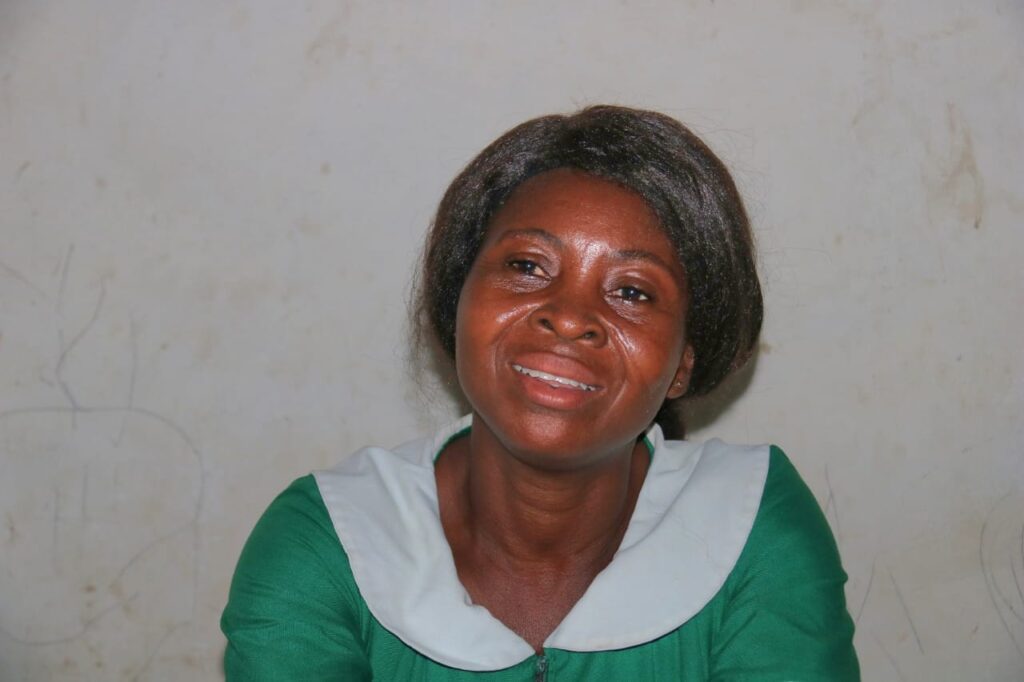
With no family member around to assist her, the expectant mother found herself in an unsettling situation. She had to rush onto the delivery bed, scream and call for the midwife to return and assist her.
“I was there and the midwife left to get water at the go-go so that we were able to conduct the delivery. And when she left, the baby was almost coming,” she recounted.
For her, the incident was a painful illustration of what pregnant women and health workers at Nayorigo and its environs go through whenever they need water to provide or receive care.
The experiences of Ayampoka and Cynthia capture the human cost of the water crisis at the Nayorigo CHPS compound, where pregnant women, nursing mothers and health workers must contend with the absence of a reliable water supply.
For mothers arriving in labour, water is not a luxury; it is essential for maintaining hygiene, cleaning up after delivery and ensuring that both mother and baby receive care in a safe environment.
Yet, at Nayorigo, the search for water has become part of the healthcare routine.
A health facility without basic utilities
The Nayorigo CHPS compound was constructed in 2020 and comprises a consulting room, a delivery room, three other rooms for clinical services, water-closet toilets, an Outpatient Department and staff accommodation.
When the Ghana News Agency (GNA) visited the facility, it observed that it provided antenatal care, family planning, postnatal services, deliveries and general consultations, as well as community outreach services.
However, the facility has no running water despite having WASH facilities for staff and clients. Health workers depend on a community borehole, where they sometimes have to wait in queues for several minutes or hours before getting their turn to fetch water.
The situation is particularly difficult during emergencies, when every minute could matter.
The facility, which serves more than 1,200 people across four sub-communities within Nayorigo and neighbouring communities, also lacks an incinerator for the proper disposal of medical waste.
The facility also lacks a standby generator, and so during power outages, health workers sometimes have to rely on mobile phone lights or lanterns to assist women in labour or refer them to facilities with electricity.
When a midwife must abandon her patient to fetch water
For Ms Anaba, the absence of water means that attending to a woman in labour can sometimes begin with a race to the community borehole.
She recounted an incident in which a woman arrived at the facility in advanced labour, but the water needed to clean and prepare for the delivery was unavailable.
“The woman nearly delivered on the floor. I had to run to go fetch water, come and now conduct the delivery,” she said.
For Ms Anaba, the incident was a frightening reminder of the risks associated with having to leave a woman in labour to search for water.
“Assuming the woman delivered on the floor, and something happened to the woman or the baby, it would have been something that would go awry,” she said.
Mothers leave without bathing after delivery
Ms Anaba said most women who delivered at the facility could not bathe immediately after childbirth because there was no water available, although the facility had a washroom.
“Most of the time, most of them go home before they take a bath. Because the water is not there and when they come with their relative, the relative will go and fetch water for them to bathe,” she said.
She explained that women were sometimes given a chamber pot to use because the facility could not provide the water needed to flush the toilet. The situation placed additional pressure on women who had just gone through childbirth and needed rest, personal hygiene and support to care for their newborns.
“Some women want to come to the facility to deliver. But when they ask, or when they get to know that we don’t have water, they say, ‘Oh, I can’t come and carry water,’” she said.
Beyond deliveries, Ms Anaba said healthcare workers found it difficult to implement infection prevention and control practices, adding that cleaning and mopping could not be done daily as expected because staff first had to secure water.
A wider community water crisis
The difficulties at the CHPS compound reflect a wider water problem in the Nayorigo Electoral Area.
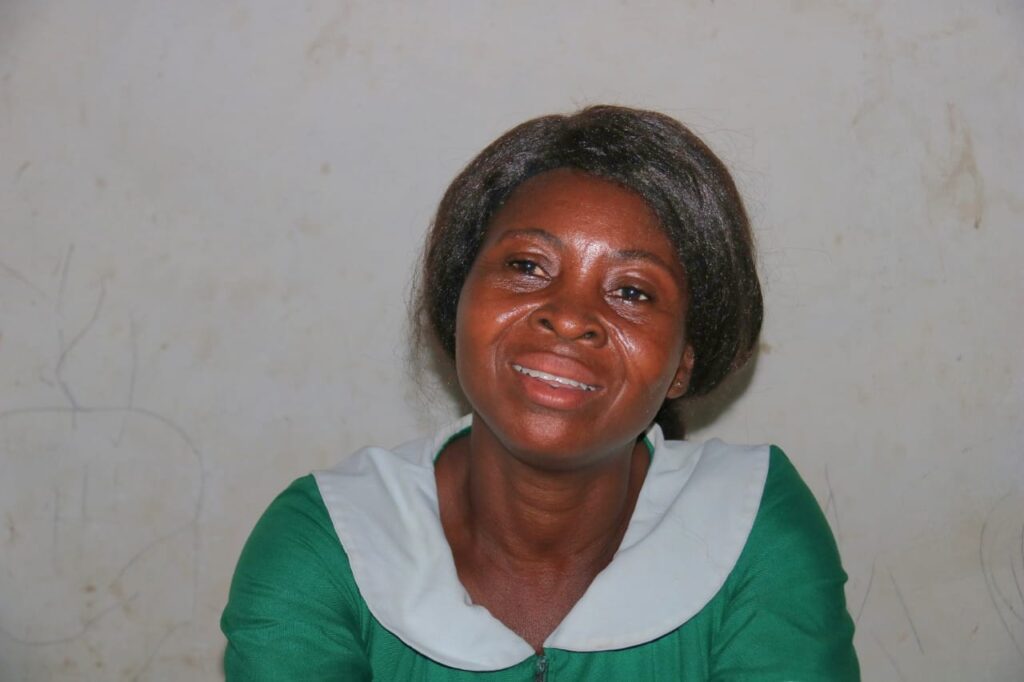
Mr McCarthy Atimbire Aguyire, the Nayorigo Assembly Member, said the water crisis went beyond the CHPS to the entire community with many portions of the electoral area struggling to get water for domestic use.
He said the water shortage affected women, schoolchildren and other residents but described the situation at the health facility as particularly worrying because pregnant women and children depended on it for care.
He said health workers, some of whom were not from the community, had to compete with residents at water points before returning to attend to clients.
At times, community members had to be appealed to allow health workers to fetch water so they could return to their duties.
Mr Aguyire said he had raised the water challenge at the Bongo District Assembly, but the community was yet to receive the needed intervention.
He appealed to the government, development partners, institutions and other organisations to support the community, particularly the health facility, with a sustainable water supply.
Health authorities acknowledge the challenge
Ms Estalla Abazesi, the Bongo District Director of the Ghana Health Service, confirmed that access to water remained a major challenge at the CHPS level in the district, particularly in the Namoo Zone, of which Nayorigo is a part.
She said the district had 58 CHPS zones, 27 of which had compounds, with more than 60 per cent of those compounds having no water systems.
However, the Namoo Zone was among the most affected, with almost all its CHPS compounds lacking running water.
Ms Abazesi explained that although the Nayorigo CHPS compound had WASH facilities for both staff and clients, the facilities were not connected to a water supply system.
Consequently, staff and clients had to leave the compound to search for water, a situation she said negatively affected the provision of quality healthcare, particularly for pregnant women and children.
She noted that the lack of water made it difficult for health workers to observe infection prevention and control measures, although hygiene was central to safe healthcare delivery.
Ms Abazesi said the issue had been discussed at Assembly meetings, but no action had been taken so far. She appealed to organisations and development partners to support the facility with a reliable water supply.
Ms Diana Asoketarige Ayamga, the Bongo District Chief Executive, said the Nayorigo CHPS compound was among other healthcare facilities the Assembly was working to provide with
The wider health consequences of inadequate WASH services
According to UNICEF, achieving and maintaining WASH services in healthcare facilities is critical for universal access to quality healthcare, infection prevention and control (IPC), patient safety, and maternal and child health, particularly around the time of childbirth.
It said WASH also extended beyond health impacts to issues of dignity and respect, staff morale, performance and safety.
However, according to World Health Organisation (WHO) burden-of-disease estimates, 1.4 million deaths globally each year could be prevented through safe water, sanitation and hygiene (WASH).
In Ghana, WHO estimates show that approximately 7,653 deaths (about 21 deaths per day) were caused by WASH-related illnesses, driven in part by sanitation gaps, with only 25 per cent of the population having access to basic sanitation services and 18 per cent practicing open defecation.
SDGs and way forward
As Ghana moves towards the 2030 deadline for achieving the Sustainable Development Goals (SDGs), the situation at Nayorigo raises questions about how far the country can go in delivering universal access to quality healthcare without addressing basic water and sanitation challenges in frontline health facilities.
SDG Three seeks to ensure healthy lives and promote well-being for all, while SDG Six calls for universal access to safe water and sanitation. Both goals are interconnected, particularly in maternal and child healthcare, where access to clean water is essential for safe deliveries, infection prevention and the dignity of mothers and newborns.
For the women and health workers of Nayorigo, however, these global commitments remain distant from their everyday realities, where a visit to a health facility can mean waiting for a midwife who has had to leave in search of water.
With just a few years left to 2030, addressing the water crisis at Nayorigo CHPS and other underserved facilities will require urgent and sustained investment from government, local authorities, especially the District Assemblies and development partners.
GNA
Edited by Caesar Abagali/Benjamin Mensah
27 Nov. 2026
Writer: Anthony Adongo Apubeo
Writer’s email address: [email protected]